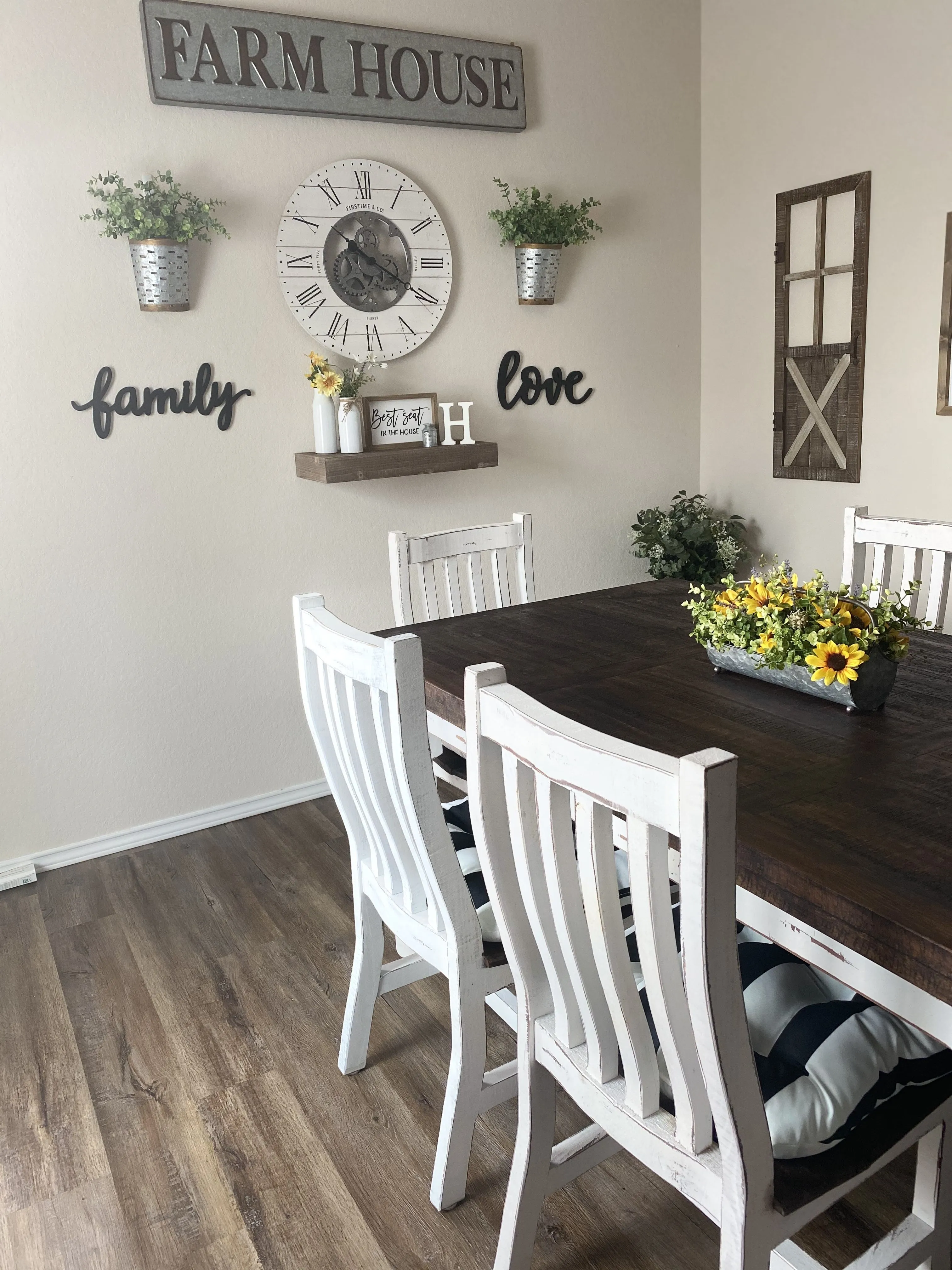
The kitchen and dining room are the heart of the home, where we gather to cook, eat, and connect with loved ones. The decor of these spaces significantly impacts their ambiance and our overall well-being. One of the easiest and most impactful ways to transform these rooms is through wall decor. From artwork to shelves, the right choices can elevate the look and feel of your kitchen and dining area. In this guide, we explore the top 5 tips to help you choose the perfect wall decor, ensuring your space is stylish, functional, and a true reflection of your personality.
Choosing Wall Decor Kitchen & Dining Room
Selecting wall decor for your kitchen and dining room involves more than just picking out pretty items. It requires careful consideration of several factors, including the overall style of your space, the color palette, and the available space. The goal is to create a cohesive and inviting environment that complements your lifestyle. By following these tips, you can make informed decisions that enhance both the aesthetics and functionality of your kitchen and dining areas, ensuring a harmonious and enjoyable atmosphere for you and your guests.
Consider the Overall Style
The style of your kitchen and dining room should guide your wall decor choices. Whether you prefer a sleek, modern aesthetic or a cozy, traditional vibe, your decor should align with this established theme. Consider the existing elements in your space – the cabinetry, flooring, and furniture – to ensure the wall decor complements these features. Choosing decor that reflects your preferred style will create a unified and visually appealing environment.
Modern Kitchen Dining Room

Modern kitchens and dining rooms often feature clean lines, minimalist designs, and a focus on functionality. For wall decor, consider abstract art, geometric prints, or metal sculptures. Choose pieces with simple frames or no frames at all. The color palette should be contemporary, with a focus on neutral tones, such as white, gray, and black, with pops of color. Avoid overly ornate or cluttered decor to maintain the sleek, modern aesthetic. Consider utilizing large, single pieces or a small gallery wall with minimalist pieces.
Rustic Kitchen Dining Room
Rustic kitchens and dining rooms embrace warmth and natural elements. Wall decor can include wooden signs with inspirational quotes, vintage-style artwork, or antique mirrors. The color palette should be earthy, with natural wood tones, warm whites, and muted greens and blues. Consider using reclaimed wood for shelves or frames. Incorporate elements that reflect the outdoors, such as botanical prints or nature-themed artwork. This creates a welcoming and cozy atmosphere.
Minimalist Kitchen Dining Room
Minimalist spaces are all about simplicity and functionality. Wall decor should be kept to a minimum, with a focus on carefully chosen pieces that add visual interest without cluttering the space. Consider using one or two large, impactful pieces of art, such as a single, striking photograph or a minimalist painting. The color palette should be neutral, with a focus on white, gray, and black, with minimal pops of color. Keep the decor simple and uncluttered to maintain the clean, minimalist aesthetic.
Color Palette

The color palette of your kitchen and dining room is a critical aspect of its overall design. Wall decor should harmonize with the existing colors in the room, whether you choose to match, complement, or provide a contrasting accent. Consider the impact different colors have on the mood of the space. Light and bright colors make a space feel more open and airy, while darker colors can create a cozy and intimate atmosphere. Selecting the right colors can help enhance the room’s personality.
Neutral Tones
Neutral tones, such as white, gray, beige, and cream, provide a versatile backdrop for any decor style. They create a sense of calm and spaciousness, making them ideal for smaller kitchens and dining rooms. Wall decor in neutral tones can include textured art, such as woven wall hangings or minimalist prints. These colors provide an excellent base to add pops of color with accessories or furniture.
Bold Colors
Bold colors can add personality and vibrancy to your kitchen and dining room. Consider using wall decor in bright hues to create a focal point or to complement the existing color scheme. For example, if your kitchen has neutral walls, you might add a piece of art with vibrant blues, greens, or oranges to create visual interest. However, use bold colors sparingly and ensure they match the overall design of the space. A good way to experiment with bold colors is to use temporary wall decor, such as posters, to test different tones without committing to painting or wallpaper.
Matching Wall Decor

When selecting wall decor, consider how the pieces will interact with each other and the existing elements in the room. Ensure that the colors, styles, and themes align to create a cohesive look. Cohesive wall decor can include a gallery wall that combines different pieces of art that share a common theme or color palette. The use of matching frames can also unify a collection of art. Another great option is to create a vignette with a mirror, some sconces and some matching framed prints. Consistency in the decor creates a harmonious and visually appealing environment.
Artwork and Prints
Artwork and prints are the most common forms of wall decor. Choose pieces that reflect your personal style and the overall theme of your kitchen and dining room. Consider the size and scale of the artwork in relation to the available wall space. Large pieces can serve as a focal point, while smaller prints can be grouped together to create a gallery wall. Always consider the subject matter and style of the artwork, and ensure it complements the existing decor in the room. Abstract art, landscape prints, and still life paintings are popular choices.
Mirrors
Mirrors are a fantastic addition to any kitchen or dining room, as they can enhance the sense of space and reflect light, making the room feel brighter and more open. A large mirror can serve as a focal point, while smaller mirrors can be grouped together to create a decorative display. Choose a mirror with a frame that complements the style of your room – a modern, minimalist frame, or a rustic, ornate frame. Position mirrors strategically to reflect natural light and enhance the room’s overall ambiance.
Wall Accessories

Wall accessories add texture, depth, and functionality to your kitchen and dining room decor. These elements can include floating shelves, clocks, and wall sconces. Choose accessories that complement your chosen style and color scheme. These items can provide functional benefits while contributing to the room’s overall aesthetic. Carefully selected accessories will enrich the space and provide added visual interest, making your kitchen and dining room a more inviting and enjoyable place to spend time.
Floating Shelves
Floating shelves offer a stylish and practical way to display decor, store kitchen essentials, or add visual interest to your walls. Install shelves above your kitchen countertop for cookbooks and spices, or in your dining room to showcase decorative items. Choose shelves that complement your overall style, whether it’s rustic wood shelves or sleek, modern ones. Arrange items on the shelves in an aesthetically pleasing way. Consider the size and weight capacity when choosing shelves to ensure they can safely support the items you wish to display.
Clocks
Clocks are functional and decorative additions to the kitchen and dining room. Choose a clock that fits the style of your space, whether it’s a modern minimalist design or a vintage-inspired piece. Hang the clock in a prominent location where it’s easily visible. In the kitchen, a clock can be a useful tool for keeping track of cooking times, while in the dining room, it can add a touch of elegance and style. Consider the size and placement of the clock to ensure it complements the other decor elements in your room.
Wall Sconces

Wall sconces can add both ambient and task lighting to your kitchen and dining room. Choose sconces that match the overall style of your space, whether it’s industrial-style metal fixtures or elegant, crystal designs. Position the sconces strategically to highlight artwork, illuminate specific areas, or create a warm and inviting atmosphere. Make sure the placement of sconces is functional and aesthetically pleasing, enhancing the overall design of your space. Consider the type of light and the effect the sconces will have on the room’s ambiance.
Wall Decor Placement in Kitchen & Dining Room
The placement of your wall decor is just as important as the pieces you choose. Proper placement ensures that the decor enhances the overall aesthetic of your kitchen and dining room. Consider the scale of the space, the available wall space, and the existing layout of the room. Correct placement will create a cohesive and balanced look. A well-placed piece can also draw attention to a focal point or create a sense of harmony and flow.
Consider the Space
Consider the size and layout of your kitchen and dining room when planning your wall decor. In a small kitchen, you may want to avoid overly large or cluttered pieces that can make the space feel smaller. Instead, opt for a few well-placed pieces, such as a mirror or a small gallery wall. In a larger dining room, you can experiment with larger artworks or a series of prints. Consider the flow of traffic and the function of the space when determining where to hang your decor. Make sure you have enough space to hang your chosen decor and that it does not interfere with any doors or windows.
Focal Point

Identify the focal point in your kitchen or dining room. This is the area of the room where your eye is naturally drawn. Consider hanging a large piece of artwork, a mirror, or a gallery wall above your dining table, kitchen island, or a prominent wall. Ensure that the focal point complements the overall style and color scheme of your room. Use this area as a starting point for arranging your wall decor, and ensure that the surrounding elements create a balanced and harmonious display.
Lighting
The lighting in your kitchen and dining room can significantly impact the appearance of your wall decor. Use lighting to highlight specific pieces of art or create a more inviting ambiance. Consider adding wall sconces near artwork or installing track lighting to showcase your favorite pieces. Ensure your lighting complements the style and color scheme of your decor. Using appropriate lighting can make your space look more welcoming and enhance your decor’s visual impact. Properly illuminated artwork will draw the eye and add depth and dimension to your space.
Wall Decor Materials
When selecting wall decor, the choice of materials is critical to ensure a cohesive and visually appealing look. The right materials can enhance the style and texture of your space, while the wrong ones can clash with the existing design. Consider the durability, ease of maintenance, and visual impact of different materials to make informed choices. The material of the wall decor should complement the overall design of your kitchen and dining room. Here are some of the most common materials and their uses.
Consider the Budget

Setting a budget is an essential step in planning your wall decor project. Determine how much you are willing to spend before you start shopping. Consider all costs, including the cost of the decor, frames, hardware, and any necessary professional services. Having a budget in mind can help you prioritize your choices and make informed decisions. This also helps you to avoid overspending and ensure that you stay within your means. There are options available for every budget. Knowing your budget will allow you to select the right decor for your space.
DIY Projects
DIY projects are a great way to save money and add a personal touch to your kitchen and dining room decor. Consider creating your own artwork, building floating shelves, or repurposing old items. There are numerous online resources and tutorials that provide step-by-step instructions for DIY projects. DIY projects allow you to unleash your creativity and customize the decor to your exact preferences. This also allows you to be more creative and experiment with different styles, colors, and materials. If you’re willing to put in the effort, the outcome is often highly rewarding and can save a lot of money.
Ready-made Decor
Ready-made decor offers a convenient and often more affordable option for those who want to update their kitchen and dining room without DIY projects. You can find a wide selection of wall decor at various stores, both online and offline. Ready-made decor is available in diverse styles, sizes, and materials. When selecting ready-made decor, consider the quality, price, and style, and make sure it complements the overall design of your space. Carefully review the pieces to ensure they are well-made and suit your needs. Shopping for ready-made decor can save you time and effort.
In conclusion, transforming your kitchen and dining room wall decor is a rewarding process that enhances the aesthetic of your home. By considering factors such as style, color palette, and placement, you can create a cohesive and personalized space. Whether you choose to embark on DIY projects or opt for ready-made decor, the right choices can significantly impact your home’s overall appeal. With the right wall decor, your kitchen and dining room will become welcoming spaces for both you and your guests, reflecting your style and creating an inviting environment. Remember to consider these 5 tips to transform your space.