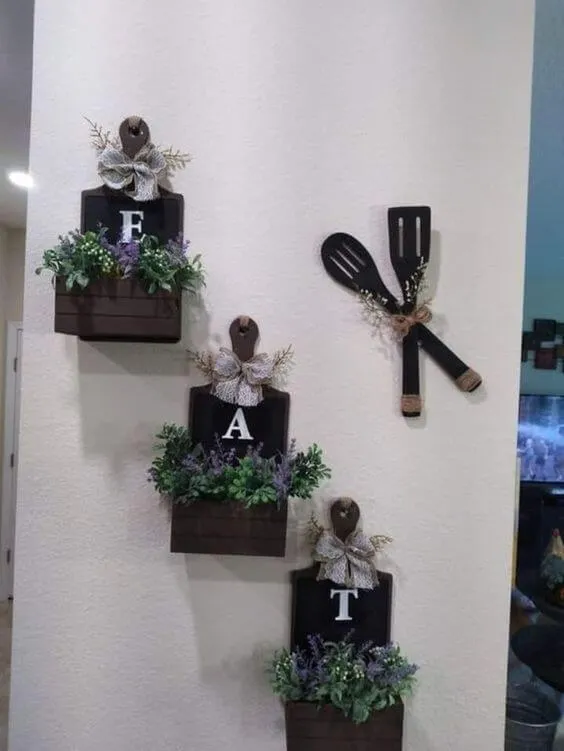
Why Choose Rustic Red Kitchen Decor
Rustic red kitchen decor brings a warm, inviting, and timeless charm to the heart of your home. It’s a style that embraces natural elements, celebrates imperfections, and creates a cozy atmosphere. Red, as a color, adds energy and personality, making your kitchen a space that’s both functional and visually appealing. Choosing this style means opting for a space that tells a story, reflects character, and welcomes gatherings with a sense of comfort and style. With a DIY approach, you can personalize your kitchen, making it a true reflection of your taste and creativity. The combination of rustic elements and the vibrant hue of red offers a unique blend of traditional and contemporary design.
The Allure of Rustic Kitchens
Rustic kitchens are known for their ability to create a feeling of warmth and comfort. They often feature natural materials like wood, stone, and brick, which add texture and depth to the space. The imperfections in these materials are celebrated, giving the kitchen a unique character. The focus is always on creating a lived-in, welcoming environment that encourages family gatherings and social interactions. It’s a style that values simplicity and authenticity, shying away from sleek, modern designs in favor of a more grounded, down-to-earth aesthetic. The charm of a rustic kitchen lies in its ability to make a house feel like a home, a place where memories are made and cherished.
The Psychology of Red in Kitchens

Red is a powerful color that can significantly impact the mood and energy of a space. In the kitchen, red is often associated with excitement, passion, and appetite. It can stimulate conversation and create a sense of liveliness, making it an excellent choice for a space where people gather to cook, eat, and socialize. The use of red can also stimulate appetite, making it an ideal color for a dining area. However, it’s important to balance the intensity of red with other colors and textures. Incorporating softer tones and natural elements can prevent the space from feeling overwhelming, ensuring a comfortable and inviting atmosphere. Using red strategically through accents and accessories is another effective approach.
DIY Rustic Red Kitchen Decorating Ideas
Embarking on a DIY project for your rustic red kitchen is a rewarding experience, offering you the opportunity to infuse your personal style into your living space. You can start by choosing the areas you want to transform, such as painting the walls or refreshing the cabinetry. Consider adding rustic accessories like antique signs, wooden cutting boards, or vintage-inspired textiles to complete the look. The beauty of a DIY approach lies in its flexibility. You can select the projects that best fit your skill level and budget, allowing you to gradually transform your kitchen into the space you’ve always envisioned. From simple paint updates to more ambitious projects like building a kitchen island, the possibilities are endless.
Painting Your Kitchen Walls Red
Painting your kitchen walls red is a transformative DIY project that can instantly change the character of the space. Before you begin, thoroughly clean and prepare your walls. This might involve patching any holes or imperfections and ensuring the surface is smooth for paint adhesion. Choose a red paint that complements your existing kitchen elements, such as cabinets and countertops. Consider the lighting in your kitchen and select a shade of red that won’t make the space feel too dark or overwhelming. With careful preparation and the right tools, painting your kitchen walls red can be a satisfying and impactful DIY project.
Choosing the Right Red Paint

Selecting the right red paint involves more than just picking a color you like; it’s about considering the undertones, finish, and how it will interact with your kitchen’s lighting. Red paints come in various shades, from warm, inviting tones to cooler, bolder hues. Consider the existing colors in your kitchen and choose a red that complements them. For example, a warm red might pair well with cream-colored cabinets, while a cooler red could complement gray or white. Test different paint samples on your walls to see how they appear at different times of the day. The finish of your paint is also important; a matte finish can absorb light and hide imperfections, while a satin or semi-gloss finish is more durable and easier to clean.
Preparing Your Kitchen for Painting
Proper preparation is key to a successful paint project. Start by protecting your floors, cabinets, and countertops with drop cloths and painter’s tape. Clean your walls to remove any dirt, grease, or residue. This will ensure the paint adheres properly. Fill any holes or imperfections with spackle and sand them smooth once dry. If your walls have existing paint, you may need to lightly sand them to create a better surface for the new paint to adhere to. Consider using a primer before applying your chosen red paint. A primer will provide a uniform base for the paint, improve adhesion, and help the color look its best. The time invested in preparation will be well worth it when you achieve a professional-looking finish.
DIY Red Kitchen Cabinet Makeover
Giving your kitchen cabinets a red makeover is a fantastic way to breathe new life into your kitchen. This project can dramatically alter the look and feel of the space. You have the option to paint your cabinets red or incorporate red as an accent color. This choice depends on your personal preferences and existing kitchen design. Painting cabinets can be a bit more involved than painting walls, requiring meticulous preparation and attention to detail. However, with patience and the right techniques, you can achieve stunning results. This project is not just about applying paint; it’s about transforming the heart of your home into a vibrant, inviting space that reflects your style.
Steps for Painting Kitchen Cabinets

Painting kitchen cabinets is a multi-step process that requires careful planning and execution. First, remove the cabinet doors and hardware, labeling each door and hinge to ensure they go back in the correct place. Clean the cabinets thoroughly to remove any grease or dirt. Sand the cabinet surfaces to create a slightly rough texture that will help the paint adhere. Apply a primer specifically designed for cabinets, allowing it to dry completely. Then, apply multiple thin coats of your chosen red paint, sanding lightly between coats. Once the paint is dry, reattach the doors and install new hardware. These steps will ensure a smooth, durable finish.
Selecting the Right Hardware
Choosing the right hardware can significantly enhance the overall look of your red kitchen cabinets. Consider the style of your kitchen and select hardware that complements the rustic aesthetic. Options include antique brass pulls, wrought iron handles, or even simple wooden knobs. Hardware can act as the jewelry for your cabinets, so choose pieces that add character and personality. When selecting hardware, consider both the style and the functionality. Ensure the pulls or knobs are comfortable to use and fit well with the cabinet doors. The right hardware can provide the finishing touch, tying the entire design together and adding a touch of elegance and charm.
Adding Rustic Accents
Incorporating rustic accents into your kitchen can enhance the overall theme and create a warm, inviting atmosphere. Consider using elements like wooden signs with inspiring quotes, vintage-inspired textiles such as checked curtains or burlap runners, and antique-style lighting fixtures. Display open shelving to showcase your favorite kitchenware, using items with a vintage or handcrafted aesthetic. Adding decorative items like ceramic canisters, woven baskets, and wooden cutting boards can bring in natural textures and earthy tones that complement the red color scheme. The right accents add personality, creating a space that feels welcoming and uniquely yours.
Rustic Kitchen Decorating Accessories

When selecting accessories, look for items that evoke a sense of history and charm. Consider adding vintage-style kitchen scales, old metal bread boxes, or mason jars for storage. Incorporate items made from natural materials like wood, stone, and iron to create a cohesive rustic theme. Displaying antique utensils in a decorative crock or hanging copper pots can also contribute to the aesthetic. Don’t be afraid to mix and match items, creating a curated collection that tells a story. These accessories not only add visual interest but also provide functional storage solutions.
DIY Rustic Kitchen Decor Projects
Engaging in DIY projects is a great way to infuse your kitchen with a personal touch and save money. Consider building your own open shelving unit to display your favorite kitchenware or create a rustic kitchen island to add workspace and storage. Making a custom spice rack or a wooden cutting board can add both functionality and visual appeal. Look for DIY tutorials online for inspiration and guidance. These projects provide a sense of accomplishment and help you tailor your kitchen to your specific needs and preferences. Remember, the imperfections and unique touches are what make your kitchen feel special.
Creating a Rustic Kitchen Island
Building a rustic kitchen island can significantly enhance the functionality and aesthetic of your kitchen. You can build one from reclaimed wood or purchase a pre-made island and customize it to fit your needs. Start by planning the size and features of your island, considering the amount of workspace and storage you require. Incorporate features like a butcher block countertop or a farmhouse-style sink to enhance the rustic aesthetic. Consider adding open shelving, drawers, or a small breakfast bar. The island is a versatile piece of furniture; it can become the focal point of your kitchen. With a DIY approach, you can create a unique piece that reflects your style and meets your specific needs.
Building a DIY Open Shelving Unit

Building an open shelving unit is a fantastic project that adds both storage and visual appeal to your kitchen. You can build a unit from reclaimed wood or purchase new lumber from a local hardware store. Consider the style of your kitchen and choose materials that complement your overall design. Start by measuring your space and planning the size and layout of your shelves. Cut the wood to the desired dimensions and assemble the shelving unit using screws or nails. Sand the unit to remove any rough edges and apply a finish, such as stain or paint, to protect the wood. Once the unit is built, install it in your kitchen and arrange your favorite kitchenware. The open shelving allows you to showcase your favorite dishes and adds a sense of spaciousness to the room.
Decorating with Red and Natural Elements
Pairing red with natural elements is key to achieving a balanced and inviting rustic kitchen. Incorporate wood, stone, and other natural textures to soften the intensity of the red. Use wooden countertops, exposed beams, or a stone backsplash to add warmth and depth. Introduce greenery, such as potted herbs or small plants, to bring life and vibrancy to the space. Consider using neutral-colored textiles, like linen or cotton, to balance the boldness of red. The combination of red and natural elements can create a harmonious space that feels both energizing and calming.
Incorporating Wood and Natural Textures
Wood and natural textures add warmth, depth, and visual interest to your red kitchen. Consider incorporating wooden elements, like butcher block countertops, open shelving made of reclaimed wood, or a wooden dining table. Adding a rustic wooden table or chairs can create a focal point in your dining area. In addition to wood, incorporate other natural materials like stone or brick. A stone backsplash or a brick accent wall can add texture and character, further enhancing the rustic theme. Layering different textures is key to preventing the space from feeling flat. Use rough-hewn wood, woven baskets, and textured fabrics to create a cozy and inviting atmosphere.
Adding Greenery and Plants

Bringing greenery and plants into your red kitchen adds a touch of freshness and vitality. Consider placing potted herbs on your windowsill or countertop, or adding small plants to your open shelving. Greenery can also be incorporated through floral arrangements or hanging plants. The contrast between the red and the green can be visually striking, adding a pop of color and life to the space. Plants not only enhance the aesthetics but also improve air quality, creating a healthier and more inviting environment. The addition of plants offers a natural element that balances the intensity of the red and adds a touch of serenity.
Maintaining Your Rustic Red Kitchen Decor
Maintaining your rustic red kitchen decor is essential to keep it looking its best. Regular cleaning and proper care will ensure your red surfaces remain vibrant and that your rustic elements retain their charm. This involves knowing the right cleaning techniques and products for each material. Preventative measures, such as using coasters and placemats, can protect your surfaces from damage. With a little effort and attention, your rustic red kitchen can remain a welcoming and beautiful space for years to come.
Cleaning and Preserving Red Surfaces
When cleaning your red kitchen surfaces, always use the right cleaning products for the material. For painted surfaces, avoid abrasive cleaners that can damage the finish. Instead, use a mild soap and water solution. For wood surfaces, use a wood cleaner and a soft cloth. Protect wood surfaces from scratches and water damage by using coasters, placemats, and trivets. Regular dusting and wiping down surfaces will keep your kitchen looking fresh. Addressing spills and stains promptly can prevent them from setting in. Proper cleaning and maintenance will extend the life of your decor and preserve the beauty of your kitchen.
Seasonal Decorating Ideas
Seasonal decorating is a great way to keep your rustic red kitchen feeling fresh and exciting. For spring, add fresh flowers, pastel-colored accents, and light, airy fabrics. In the summer, incorporate bright colors, such as yellow and blue, to capture the sunshine. For fall, decorate with warm, earthy tones, such as oranges and browns. Use pumpkins, gourds, and fall-themed textiles to create a cozy atmosphere. In winter, decorate with festive accents, such as garlands, wreaths, and candles. The changes will keep your space looking new and reflecting the current season.