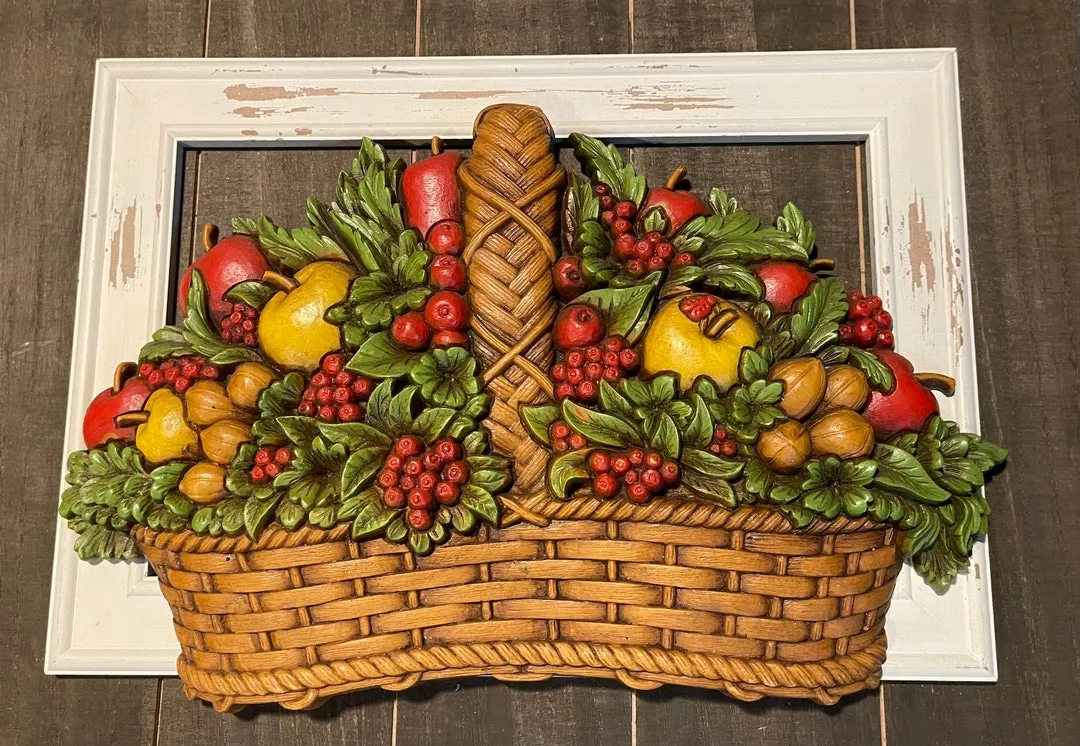
Understanding the 1970s Farmhouse Kitchen Decor
The allure of farmhouse kitchen decor, particularly the 1970s interpretation, lies in its blend of rustic charm and nostalgic comfort. This style is characterized by its warmth, simplicity, and connection to nature. It’s a look that evokes a sense of history and a feeling of home. The 1970s brought its own unique spin to the farmhouse aesthetic, incorporating elements of the era while maintaining the core principles of functionality and a welcoming atmosphere. Think of kitchens with a lived-in feel, where family and friends gather, and the heart of the home is truly celebrated. The 1970s farmhouse kitchen decor emphasized natural materials, warm tones, and a sense of practicality, creating a space that’s both beautiful and functional.
Key Elements of a 1970s Farmhouse Kitchen
Several key elements define the 1970s farmhouse kitchen aesthetic. These include the use of natural materials such as wood, stone, and brick. Wooden cabinetry, often with a distressed or worn finish, is a common feature. Open shelving is another hallmark, providing both storage and a display area for vintage dishware and decor. Warm, inviting color palettes, incorporating earthy tones and soft pastels, are also essential. The use of vintage-inspired lighting fixtures, such as pendant lights and chandeliers, adds to the charm. These elements work together to create a space that feels both cozy and stylish, a perfect blend of old and new. Incorporating these key elements is the first step in achieving the desired farmhouse kitchen look.
Color Palette & Textures

Color and texture play a vital role in the 1970s farmhouse kitchen. The color palette is typically warm and inviting, focusing on earthy tones like creams, beiges, soft yellows, and muted greens. These colors create a sense of warmth and tranquility. To balance the warmth, consider incorporating pops of color through accents such as dish towels, pottery, or artwork. Textures are equally important; think of rough-hewn wood, textured fabrics like linen or burlap, and natural stone or brick. These textures add depth and visual interest to the space, making it feel more authentic and lived-in. Avoid overly glossy or modern finishes, as they detract from the vintage farmhouse aesthetic. The goal is to create a space that feels both comfortable and visually engaging. Natural light should be maximized to enhance the color and texture palette.
Furniture and Cabinetry
Furniture and cabinetry are the foundational elements of the 1970s farmhouse kitchen. Wooden cabinetry is a staple, often featuring a distressed or antique finish to give it character. Consider open shelving to display your favorite kitchenware and add to the rustic charm. Kitchen islands or butcher block countertops provide additional workspace and storage. When choosing furniture, look for pieces with a vintage or antique feel, such as a farmhouse table with a bench or chairs. Mix and match different styles to create a curated, collected look. The furniture should be functional and practical, but also add to the overall aesthetic appeal of the kitchen. Remember to prioritize pieces that complement the color palette and textures. Make sure the furniture pieces are in proportion with the size of the kitchen.
Lighting & Fixtures
Lighting and fixtures are crucial for creating the right ambiance. Opt for vintage-inspired lighting fixtures such as pendant lights, chandeliers, or sconces with a rustic touch. Materials like wrought iron, brass, or distressed wood are excellent choices. Consider adding task lighting over the kitchen island or countertops to provide ample illumination for cooking and food preparation. Natural light is also essential; ensure that your kitchen windows are not obstructed and consider adding sheer curtains to soften the light. Mix and match different types of lighting to create layers of illumination and enhance the overall aesthetic. The right lighting can transform a space, making it feel warm, inviting, and functional. Focus on the style that complements the overall decor.
Essential Decor Items

The right decor items can bring your farmhouse kitchen to life. Vintage-inspired decor is the key. Look for items like antique scales, enamelware, vintage signs, and farmhouse pottery. Display these items on open shelves or countertops to add character and personality to the space. Incorporate natural elements like fresh flowers, herbs, or fruit to create a sense of freshness and vitality. Consider using textiles such as gingham or floral patterns to add a touch of vintage charm. Accessories like wooden cutting boards, woven baskets, and antique clocks can also enhance the rustic aesthetic. The goal is to create a curated look that reflects your personal style and adds warmth to the kitchen. Don’t be afraid to mix and match different items to create a unique, lived-in feel.
Choosing the Right Color for Your Kitchen
Choosing the right colors is paramount in achieving the 1970s farmhouse look. Soft, warm, and inviting hues are the best option. Consider using creamy whites, soft yellows, pale blues, or muted greens as your primary colors. These colors will create a sense of warmth and tranquility, the core of the farmhouse aesthetic. Avoid overly bright or modern colors, which will detract from the vintage charm. Consider the amount of natural light your kitchen receives when choosing colors. Colors can appear different under different light conditions. A light-colored kitchen can make a small kitchen feel bigger and brighter. The right color palette will set the tone for your entire kitchen design.
Incorporating Natural Textures
Incorporating natural textures is essential for an authentic farmhouse feel. Use materials like wood, stone, brick, and woven fabrics to add depth and visual interest. Wood can be incorporated through cabinetry, flooring, or exposed beams. Stone or brick can be used for backsplashes or accent walls. Woven fabrics like linen, burlap, or cotton can be used for curtains, dish towels, or chair cushions. The combination of various textures creates a rich and inviting ambiance. Embrace imperfections, as they add to the character of the space. These textures should feel authentic and create a connection to nature. The contrast between different textures will enhance the overall look and feel of your kitchen.
How to choose the right furniture

Selecting the right furniture is vital to complete the farmhouse kitchen look. Prioritize pieces that have a vintage or antique feel. Consider a farmhouse table with a wooden finish or a classic bench. Choose chairs with a distressed or worn finish, adding to the rustic charm. Kitchen islands or butcher block countertops will add extra workspace and storage. When choosing furniture, consider the scale of the space. Make sure the pieces fit comfortably without overcrowding the room. The furniture should complement the color palette and the textures of the kitchen, creating a cohesive design. Always seek out sturdy and functional pieces that align with the farmhouse aesthetics.
Selecting Lighting and Fixtures
Lighting and fixtures play a critical role in creating the atmosphere of your kitchen. Select lighting fixtures with a vintage-inspired design, like pendant lights, chandeliers, or sconces. Look for materials such as wrought iron, brass, or distressed wood. Mix and match different types of lighting to create layers of illumination, including task lighting, ambient lighting, and accent lighting. Task lighting is particularly useful over kitchen islands or countertops. Ensure that your kitchen has ample natural light by maximizing the windows. The right lighting and fixtures will create the perfect setting for the farmhouse look, making the space warm and inviting. Think about functionality when choosing your fixtures.
Adding Vintage and Antique Accents
Adding vintage and antique accents is the key to achieving the authentic farmhouse aesthetic. These accents will add character and a sense of history to the kitchen. Look for vintage scales, enamelware, vintage signs, and antique pottery. Display these items on open shelves or countertops. Consider using textiles such as gingham or floral patterns to add to the vintage charm. Accessories like wooden cutting boards, woven baskets, and antique clocks can further enhance the look. Incorporate items that reflect your personal style to make the kitchen feel unique. These accents will bring the farmhouse kitchen to life and create a warm, inviting space that reflects the past.
Creating a Cohesive Design

Creating a cohesive design is all about bringing together all the individual elements into a unified whole. Ensure that the colors, textures, furniture, lighting, and decor work together to create a consistent aesthetic. Consider creating a mood board to visualize your design and make sure all elements complement each other. Don’t be afraid to mix and match different styles, but maintain a common thread to tie everything together. Pay attention to the details such as hardware, accessories, and textiles. When you create a well-designed space, it should reflect a unified style that is the 1970s farmhouse kitchen decor. This will make the space more inviting and visually pleasing.
Planning Your Farmhouse Kitchen Project
Planning is key when designing a farmhouse kitchen. Start by defining your style and setting a budget. Research different farmhouse kitchen designs and gather inspiration. Consider the layout of your kitchen and how you want to use the space. Make a list of the essential elements and the non-essential items. Determine the scope of your project whether it involves a complete renovation or just a few updates. Decide on the timeline for your project and make a plan to help you stay organized. Planning ahead will save time and money and ensure that your project runs smoothly. Consider how your design will function, as this will enhance your overall satisfaction with your new kitchen. A well-planned project will result in the kitchen of your dreams.
Budgeting and Planning
Setting a budget is critical to your farmhouse kitchen project. Determine how much you are willing to spend on your renovation. Research the costs of materials, appliances, and labor if you hire professionals. Create a detailed budget that covers all aspects of your project, from the small decor item to the large renovation. Prioritize your spending and consider where you can save money without sacrificing quality. Having a plan will help you stay organized, make informed decisions, and avoid overspending. Planning also includes choosing the materials in order of priority. Regularly track your expenses and make adjustments as needed. This will help keep you on track to ensure a successful project.
Step-by-Step Decorating Guide

Follow this guide to transform your kitchen. First, clear out your kitchen. Then, determine your desired style. Select your color palette by choosing the right colors for walls, cabinetry, and accents. Next, choose your cabinetry and countertops. Then, select your furniture and appliances. Choose the lighting and fixtures. Select your decor, vintage pieces, and accessories. Finally, arrange everything in your kitchen. Don’t rush the process. Take your time. With these steps, you’ll transform your kitchen into a warm and welcoming space. Don’t be afraid to add your own unique touches to create a space that reflects your personality.
Sourcing Decor and Furniture
Sourcing decor and furniture is an exciting part of the project. Explore antique stores, flea markets, and online marketplaces for vintage finds. Search for pieces that add character and authenticity. Consider visiting local craft fairs and supporting artisans who create handmade decor. Browse online stores and retailers specializing in farmhouse style. Don’t be afraid to repurpose items or give them a new life with some DIY projects. Always look for quality materials and craftsmanship. Research and compare prices to get the best value. Sourcing furniture can be a fun experience. When you shop smart and shop around, you’ll be able to furnish your kitchen with beautiful and authentic pieces, completing your dream kitchen.