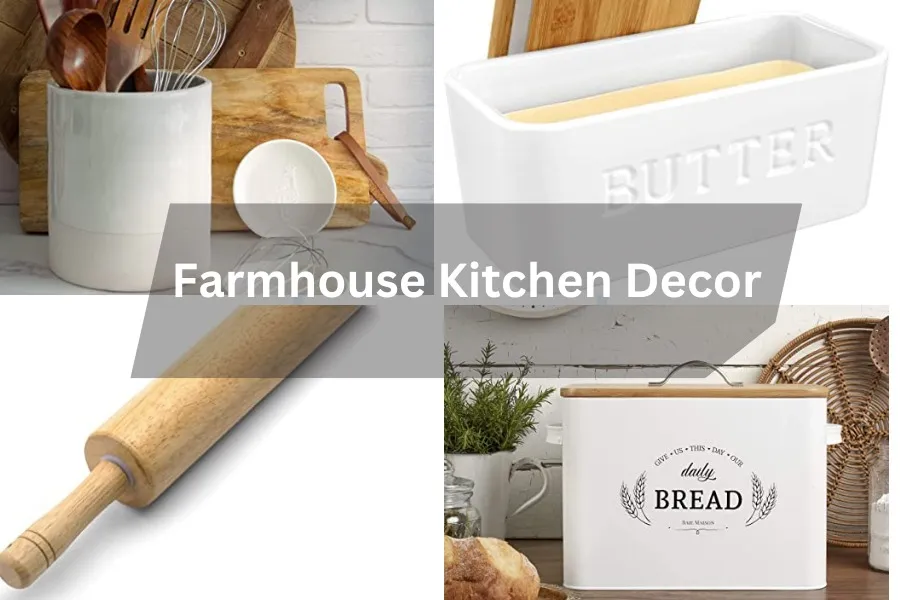
Farmhouse Kitchen Decor Top 7 Tips
Farmhouse kitchen decor is a charming and inviting style that combines rustic elements with a touch of modern simplicity. This style is all about creating a warm and welcoming space that feels both functional and stylish. If you’re looking to transform your kitchen into a cozy farmhouse haven, here are seven essential tips to guide you. From embracing neutral colors to incorporating vintage finds and ensuring functionality, these ideas will help you achieve the perfect farmhouse aesthetic. This guide will help you every step of the way.
Tip 1 Embrace Neutral Colors
Neutral colors form the foundation of a classic farmhouse kitchen. They create a bright and airy atmosphere, making the space feel larger and more inviting. Think of a palette of whites, creams, soft grays, and warm beiges. These colors provide a versatile backdrop that allows other elements like natural materials and vintage accents to truly shine. Neutral tones are the key to a timeless farmhouse kitchen design.
Why Neutral Colors Work

Neutral colors offer a sense of tranquility and simplicity, which is central to the farmhouse aesthetic. They act as a blank canvas, allowing you to layer in different textures and materials without overwhelming the space. Neutral tones also reflect light, making the kitchen feel brighter and more open, an important consideration in any kitchen design. Using neutral colors gives you a clean slate to add pops of color through accessories and decor.
Best Neutral Paint Colors
When selecting neutral paint colors, consider options like Benjamin Moore’s White Dove, Sherwin-Williams’ Accessible Beige, or Farrow & Ball’s Wimborne White. These colors offer different undertones to suit your preferences. For a warmer feel, opt for creamy whites or beige. For a cooler look, choose grays or off-whites. Always test paint samples in your kitchen to see how the colors look with your lighting and existing decor before committing.
Tip 2 Incorporate Natural Materials
Bringing in natural materials is essential for a true farmhouse look. Wood, stone, and brick add texture and warmth, creating a connection to nature. These materials also introduce a sense of history and character, key elements of the farmhouse style. Incorporating natural materials helps ground the space and adds to the feeling of comfort and authenticity.
Wood Elements

Wood is a cornerstone of farmhouse design. Consider wooden cabinets, open shelving, and butcher block countertops. Choose a finish that complements your overall color scheme: stained wood for warmth or painted wood for a lighter, brighter feel. Reclaimed wood is an excellent option, adding a unique, weathered character. Incorporate wood elements throughout your kitchen to add visual interest and warmth.
Stone and Brick Accents
Stone and brick add rustic charm to a farmhouse kitchen. A brick backsplash, a stone fireplace, or a stone accent wall can serve as stunning focal points. Stone countertops or a stone farmhouse sink can also add a touch of elegance. These materials provide a sense of history and authenticity. When choosing stone or brick, consider the color and texture to ensure it complements your other design elements.
Tip 3 Add Vintage and Antique Finds
Vintage and antique pieces add personality and character to a farmhouse kitchen, giving it a lived-in feel. These items introduce a sense of history and uniqueness that mass-produced items can’t match. The key is to mix old and new elements to create a balanced, visually appealing space.
Where to Find Vintage Decor

Explore flea markets, antique stores, and online marketplaces like Etsy and eBay to find unique vintage pieces. Look for items like antique scales, enamelware, vintage signs, and old kitchen tools. Repurposing vintage items can also add a creative touch. Consider a vintage crate as a storage solution or an old ladder as a pot rack. Patience and persistence are key to finding the perfect vintage pieces.
How to Integrate Antiques
Integrate antiques into your kitchen by using them functionally and decoratively. Display vintage dishes on open shelves, use an antique table as a kitchen island, or hang an old chandelier over your dining area. Don’t be afraid to mix different styles and eras. The goal is to create a cohesive look that feels authentic and personal, not overly curated. Small touches of antique pieces can make a big impact.
Tip 4 Choose the Right Lighting
Lighting plays a crucial role in setting the mood and enhancing the functionality of your farmhouse kitchen. The right lighting can create a warm, inviting atmosphere while ensuring adequate illumination for cooking and other tasks. Combining different types of lighting will create a layered effect that complements the farmhouse aesthetic.
Types of Lighting Fixtures

Consider a mix of lighting types. Pendant lights over the island or sink add visual interest and provide task lighting. Choose fixtures with a rustic or vintage look, such as mason jar pendants, wrought iron chandeliers, or enamel shades. Recessed lighting can provide ambient lighting, while sconces can add accent lighting to specific areas. Selecting the right light fixtures is essential.
Lighting Placement
Strategic placement of lighting fixtures is key. Place pendant lights over the island or peninsula for task lighting. Install recessed lights throughout the kitchen for general lighting. Use sconces to highlight specific areas or create a cozy atmosphere. Layering different types of lighting will create a balanced and functional lighting scheme that complements the farmhouse style. Proper placement ensures the kitchen is both beautiful and practical.
Tip 5 Display Open Shelving
Open shelving is a hallmark of farmhouse design, adding both style and functionality. It allows you to showcase your favorite dishes, glassware, and decorative items, creating a visually appealing display. Open shelving also makes frequently used items easily accessible, improving the kitchen’s efficiency.
Benefits of Open Shelving

Open shelving offers several benefits. It provides easy access to frequently used items, making cooking and cleaning more convenient. It adds visual interest to the kitchen, creating a focal point and breaking up the monotony of closed cabinets. Open shelving makes the kitchen feel more open and spacious, especially in smaller kitchens. Displaying items adds a personalized touch.
Styling Open Shelves
When styling open shelves, consider a mix of functional and decorative items. Arrange dishes and glassware, adding decorative elements such as plants, cookbooks, and vintage accents. Vary the sizes and shapes of items to create visual interest. Avoid overcrowding the shelves; leave some negative space for a more balanced look. Regularly rotate items to keep the display fresh and exciting.
Tip 6 Incorporate Textiles
Textiles add warmth, texture, and softness to a farmhouse kitchen. From curtains and tablecloths to dish towels and chair cushions, textiles can infuse the space with character and comfort. They also provide an opportunity to introduce patterns, colors, and textures that complement the overall design.
Textiles in Farmhouse Decor

Use textiles strategically throughout your kitchen. Choose curtains made of linen or cotton to filter light and add softness to the windows. Use a patterned tablecloth or runner on your dining table or kitchen island. Display dish towels with interesting patterns or textures. Textiles can be an effective way to add personality and comfort to the space.
Choosing the Right Textiles
Select textiles that complement the overall color scheme and style of your kitchen. Consider fabrics like linen, cotton, and burlap, which are commonly used in farmhouse decor. Incorporate patterns such as stripes, checks, and floral prints to add visual interest. Choose colors that coordinate with your neutral palette or add pops of color with accent pieces. Always wash textiles before using them in the kitchen.
Tip 7 Focus on Functionality and Comfort
A farmhouse kitchen should be both beautiful and functional. Ensure that the layout supports your cooking and entertaining needs. Prioritize comfort by incorporating elements that make the space feel welcoming and inviting. Create a kitchen that is a pleasure to use.
Creating a Welcoming Kitchen
To create a welcoming kitchen, focus on adding elements that make the space feel cozy and inviting. Include comfortable seating, such as a cushioned bench or a set of farmhouse chairs. Add soft lighting and textiles to create a warm atmosphere. Display personal items and family photos to make the space feel lived-in and loved. Ensure the kitchen is both functional and welcoming, creating the heart of the home.
Kitchen Layout and Design
The kitchen layout should prioritize functionality. Consider the work triangle – the area between the sink, stove, and refrigerator – to ensure an efficient workflow. Optimize storage by incorporating drawers, cabinets, and pantry solutions. Ensure there is adequate counter space for food preparation. A well-designed kitchen layout is essential for creating a functional and enjoyable cooking space.