7 Farmhouse Kitchen Decor Video Tips
Welcome to the world of farmhouse kitchen decor, where rustic charm meets modern functionality. In this video, we’ll explore seven essential tips to help you transform your kitchen into a cozy and inviting space. From understanding the core elements of farmhouse style to incorporating DIY projects, we’ll cover everything you need to know to create your dream kitchen. Farmhouse kitchen decor is more than just a trend; it’s a lifestyle that celebrates simplicity, natural materials, and a welcoming atmosphere. Whether you’re a seasoned decorator or just starting, these tips will provide you with the inspiration and knowledge to create a stunning farmhouse kitchen that you’ll love for years to come. Get ready to discover how to infuse your kitchen with warmth, character, and a touch of vintage appeal. Let’s get started on your farmhouse kitchen journey!
Understanding the Farmhouse Style
Before diving into the specifics, it’s crucial to grasp the essence of farmhouse style. Farmhouse is characterized by its warmth, simplicity, and connection to nature. It embraces a lived-in look, with a focus on comfort and functionality. Think of it as a blend of rustic, vintage, and modern elements, creating a space that feels both timeless and inviting. The core of farmhouse style lies in its ability to evoke a sense of nostalgia and comfort. It’s about creating a space where family and friends can gather, cook, and share meals. Embrace the imperfections, the natural textures, and the overall feeling of being at home. This style is not about perfection; it is about creating a space that reflects your personality and values. In your farmhouse kitchen video, start by showcasing the core elements that define this style.
Key Elements of Farmhouse Decor

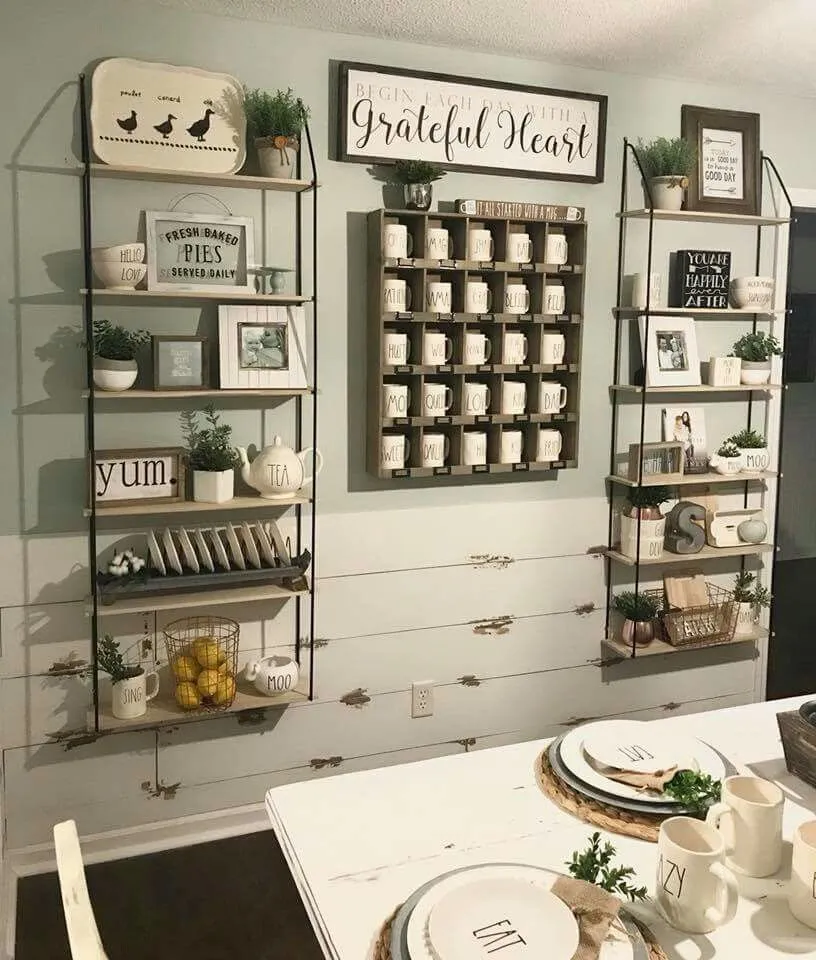
Several key elements define the farmhouse aesthetic. These include natural materials like wood, stone, and brick; neutral color palettes with pops of color; vintage-inspired accents; and functional, practical items. Wood is a cornerstone of farmhouse style, often seen in exposed beams, cabinetry, and flooring. Stone and brick can add texture and character, while neutral colors like whites, creams, and grays provide a versatile backdrop. Vintage accents, such as antique signs, enamelware, and mason jars, bring a sense of history and personality. Finally, functional items like open shelving, apron-front sinks, and butcher block countertops contribute to the practicality and charm of a farmhouse kitchen. Consider how these elements come together to create a cohesive and inviting space in your farmhouse kitchen video.
Color Palette and Textures
The color palette in a farmhouse kitchen is typically neutral and calming, with whites, creams, and soft grays as the base. These colors create a bright and airy feel, allowing the natural materials and textures to stand out. Accent colors, such as blues, greens, and yellows, can be introduced through accessories and textiles. Textures are also vital in farmhouse decor. Incorporate various textures like wood grain, woven fabrics, and natural stone to add depth and visual interest. Think about incorporating shiplap, exposed brick, and woven baskets. This combination of neutral colors and varied textures is key to achieving the farmhouse look. In your video, demonstrate how to choose the right colors and incorporate diverse textures to enhance the overall aesthetic.
Color Schemes
Explore the most popular color schemes in farmhouse kitchens. Start with a classic white-and-wood combination, which provides a clean and timeless look. Introduce pops of color through accessories like blue-and-white ceramic pieces or green plants. Consider using a palette of soft neutrals like cream, beige, and gray to create a warm and inviting atmosphere. In addition, discuss the use of contrasting colors to add visual interest. For instance, a dark island can contrast with white cabinets, creating a focal point. When choosing colors, always consider the lighting in your kitchen and how it will affect the overall ambiance. Your video should guide viewers on how to select color schemes that best suit their kitchen and personal preferences.
Textural Elements

Texture is a critical component of farmhouse design, preventing the space from feeling flat and sterile. Incorporate a variety of textures such as the warmth of wood, the coolness of stone, and the softness of textiles to enrich the visual and tactile experience. Wooden beams and floors are a natural fit, while a stone backsplash can add a rustic touch. Fabrics such as linen and cotton are ideal for curtains, tablecloths, and kitchen towels. Consider incorporating woven baskets for storage and decorative purposes. In your video, highlight how different textures can be mixed and matched to create depth and interest. Show how to use texture strategically to elevate the overall design of the farmhouse kitchen.
Incorporating Natural Materials
Natural materials are at the heart of farmhouse style, adding warmth and authenticity. Wood is the most prominent element, used in various forms, from cabinetry to flooring to furniture. Stone, such as granite or marble countertops, adds a touch of elegance, while brick can create a rustic and charming ambiance. Embrace these materials in their natural forms, highlighting their imperfections and unique characteristics. For example, opt for wooden countertops with visible grain, or use reclaimed wood for shelving. These materials not only enhance the aesthetic but also bring a sense of connection to nature and the past. In your video, emphasize the importance of using these materials and how they contribute to the overall farmhouse look.
Wooden Elements
Wood is a quintessential element in farmhouse kitchens, providing warmth, character, and a touch of rustic charm. Consider using wooden cabinets, exposed beams, and rustic wooden furniture to create a cohesive look. The type of wood used can vary; you can use light-colored woods like pine or oak for a brighter space, or opt for darker woods like walnut for a more traditional feel. In addition to wood type, consider the finish. A distressed or reclaimed wood finish can add character and a vintage feel, while a painted finish can brighten the space. Showcase the different ways wood can be incorporated into a farmhouse kitchen, and offer tips on choosing the right wood for your design. Consider featuring examples of wooden cutting boards, utensils, and decor to complement the larger wooden elements.
Stone and Brick Accents

Stone and brick accents bring a natural and rustic feel to farmhouse kitchens. A stone backsplash can add texture and visual interest, while a brick accent wall can create a focal point. If using stone, consider granite or marble countertops. For brick, explore options such as exposed brick walls or brick-patterned tiles. These materials add depth and character to the space, connecting the kitchen to the natural world. Ensure that the stone and brick elements complement the wooden elements and the overall color scheme of the kitchen. In your video, show how these accents can be incorporated to elevate the design and highlight the beauty of these natural materials.
Lighting and Ambiance
Lighting plays a crucial role in creating the right ambiance in a farmhouse kitchen. It should be both functional and aesthetically pleasing. Opt for a combination of overhead lighting, task lighting, and ambient lighting to illuminate the space properly. Pendant lights over the island, sconces above the sink, and warm-toned bulbs are great choices. Consider the use of natural light. Keep windows clear and use sheer curtains to let in sunlight. Dimmer switches are a great way to adjust the lighting to suit different times of the day. In your video, showcase various lighting options and how they can be used to enhance the farmhouse kitchen’s warmth and charm.
Types of Lighting
Explore the different types of lighting suitable for farmhouse kitchens. Pendant lights are ideal for the island or over the dining table, providing both task and ambient lighting. Sconce lights can add a touch of elegance and are great for illuminating the sink or workspace. Recessed lighting is a good option for general lighting, while chandeliers can be used to add a touch of glamour. When selecting lighting, consider materials like metal, glass, and wood, which complement the farmhouse style. In your video, demonstrate how to choose and install different types of lighting, providing practical tips for creating a well-lit and inviting kitchen. Ensure that the lighting is both functional and aesthetically pleasing.
Creating Warmth

Creating warmth in a farmhouse kitchen is essential for a welcoming atmosphere. Choose warm-toned light bulbs and use dimmer switches to adjust the lighting according to the time of day. Layer lighting by combining overhead lights, task lights, and ambient lighting. Incorporate candles, lanterns, and string lights to add a soft glow and create a cozy atmosphere. Ensure the lighting enhances the natural textures and colors of the kitchen. Your video should guide viewers on how to achieve warmth through the strategic use of lighting, creating a space that feels comfortable and inviting for family and guests.
Choosing the Right Accessories
Accessories are essential in personalizing a farmhouse kitchen and adding character. Choose items that are both functional and decorative, such as antique signs, enamelware, vintage-inspired canisters, and mason jars. Open shelving is a great way to display your favorite pieces. Consider adding textiles like dish towels, aprons, and curtains to add softness and texture. Don’t overcrowd the space; instead, curate a collection of items that reflect your style and personality. Focus on pieces that have meaning or tell a story. In your video, share your tips on selecting and arranging accessories to complement the farmhouse theme and reflect the homeowner’s style. Provide examples of how accessories can enhance the overall aesthetic.
Functional Decor
Farmhouse decor emphasizes functionality. Integrate items that serve a purpose while adding to the aesthetic. Open shelving provides a place to store and display dishes, cookbooks, and decorative items. Consider a butcher block countertop for food preparation. Apron-front sinks add a touch of vintage charm and provide a practical workspace. Use baskets for storage and to add texture. Display practical items such as wooden spoons and cutting boards. In your video, demonstrate how to integrate functional items into the design, ensuring the kitchen remains both practical and beautiful. Focus on solutions that enhance usability while maintaining the farmhouse aesthetic.
Decorative Items

Choose decorative items that reflect the farmhouse style and your personal taste. Antique signs, vintage-inspired artwork, and enamelware can add character and charm. Display collections of mason jars, vintage scales, or ceramic pieces. Incorporate natural elements such as plants, flowers, and herbs to bring life and freshness into the kitchen. Consider seasonal decorations like pumpkins in the fall or wreaths during the holidays. Arrange decorative items thoughtfully to create visual interest and tell a story. Showcase how decorative items can enhance the overall aesthetic of a farmhouse kitchen in your video.
DIY Farmhouse Projects
DIY projects are a great way to personalize your farmhouse kitchen and add unique touches. Create a gallery wall with vintage frames and artwork. Build floating shelves to display dishes, cookbooks, and decorative items. Make a farmhouse-style table or island using reclaimed wood. These projects add character and save money. DIY projects allow you to inject your personality into the space. Encourage viewers to undertake DIY projects to customize their kitchen and create a space that reflects their style. Include links to tutorials and resources. In your video, present several easy-to-follow DIY projects, complete with step-by-step instructions.
Creating a Gallery Wall
A gallery wall is a great way to personalize your kitchen and add visual interest. Select a variety of frames, sizes, and styles to create a curated look. Choose artwork that complements the farmhouse theme, such as vintage prints, botanical illustrations, or family photos. Arrange the frames in a visually appealing layout before hanging them. Consider using a template to help with spacing. Be sure the frames tell a story and add personality to the space. In your video, demonstrate how to create a gallery wall, from selecting the artwork to hanging the frames. Offer tips on arranging the gallery wall for a balanced and appealing look.
Building Floating Shelves

Floating shelves provide both storage and display space and are a popular feature in farmhouse kitchens. Build shelves from reclaimed wood or purchase ready-made shelves. Install them above the sink or next to the stove to display dishes, cookbooks, and decorative items. Consider adding brackets for an industrial look. When building or installing shelves, make sure to measure accurately. Ensure that the shelves are sturdy and can support the weight of your items. Your video should provide step-by-step instructions for building and installing floating shelves, demonstrating the process from start to finish. Include tips on selecting the right wood and hardware.
Finalizing and Maintaining the Look
Once you’ve implemented the farmhouse kitchen decor tips, it’s time to finalize and maintain the look. Ensure that all elements blend harmoniously and reflect the style you desire. Regularly clean and maintain the decor elements to keep your kitchen looking its best. Add fresh flowers or seasonal decor to update the space. Most importantly, create a kitchen you love and that is functional for your daily needs. Regularly review your decor and make adjustments as needed. Your video should conclude by encouraging viewers to create a farmhouse kitchen that reflects their personality. Offer advice on maintenance to keep the kitchen beautiful and functional over time.