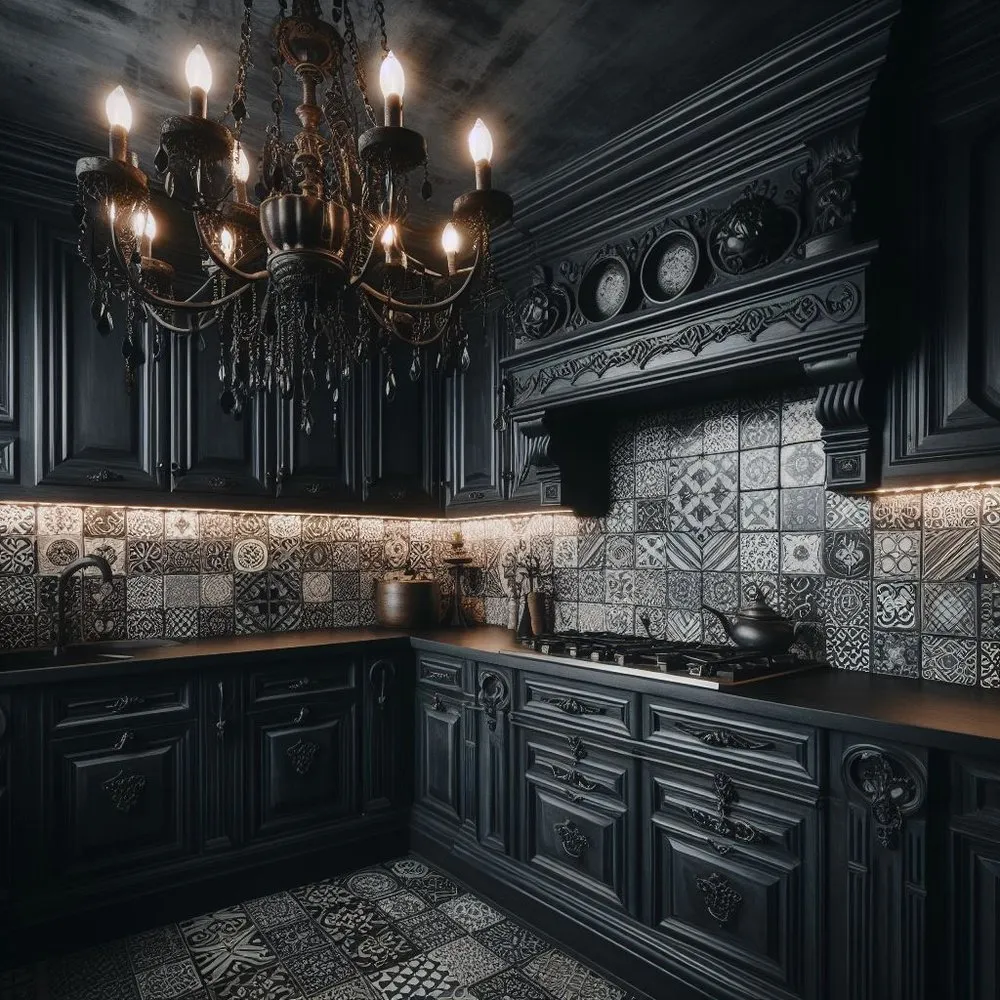
Embracing the Gothic Kitchen Aesthetic
Transforming your kitchen into a gothic sanctuary is a journey into a realm of dramatic elegance, rich history, and a touch of fantasy. It’s about creating a space that feels both opulent and mysterious, where the shadows dance and the details tell a story. The gothic aesthetic isn’t just a design choice; it’s an experience, a way of expressing a love for the dramatic and the unconventional. It draws inspiration from the architecture, art, and literature of the Gothic period, blending dark colors, ornate details, and a sense of timeless grandeur. This design style invites you to create a kitchen that is far from ordinary, a space that resonates with your personal style and offers an escape into a world of sophisticated darkness.
Dark Color Palettes and Their Impact
The cornerstone of any gothic kitchen is its color palette, which immediately sets the mood. Deep, rich hues like charcoal, obsidian, burgundy, and forest green are essential. These colors create a sense of depth and mystery, forming the perfect backdrop for the other elements of the gothic design. Dark colors make a statement and establish a dramatic atmosphere. They can make a space feel intimate and luxurious. The choice of colors should be carefully considered, as it sets the tone for the entire kitchen and determines its overall feel. Consider how the colors will interact with natural and artificial light. The interplay of light and shadow is crucial in the gothic style, so you’ll want to ensure your color choices enhance this effect.
Selecting the Right Paint Colors

When selecting paint colors, consider the texture and finish. Matte or eggshell finishes can amplify the dark tones, while glossy finishes can reflect light, adding a touch of drama. Explore shades of deep charcoal gray or black for walls, complemented by accents of burgundy or emerald green. Think about the overall atmosphere you want to create – a more formal, imposing space or a more relaxed, intimate setting. Test the paint colors in your kitchen before committing, observing how they appear in different lighting conditions throughout the day. Consider incorporating a feature wall with a darker shade to add visual interest. Remember, the goal is to create a cohesive and immersive experience, where the colors contribute to the gothic narrative.
Incorporating Dark Wood Finishes
Dark wood finishes are integral to a gothic kitchen, adding warmth and texture to the overall design. Opt for cabinets, flooring, or furniture made of rich woods like mahogany, walnut, or dark oak. The natural grain of the wood adds depth and character, contrasting beautifully with the darker color palette. Consider staining existing cabinetry or incorporating reclaimed wood elements to introduce an authentic gothic feel. Dark wood not only provides a striking visual element but also complements metallic accents like iron and brass. The contrast between the dark wood and metallic hardware or fixtures helps to accentuate the design, enriching the gothic aesthetic. This approach enhances the sense of depth and creates a rich, luxurious environment.
Adding Gothic-Inspired Furnishings
The furnishings you select play a crucial role in defining the gothic character of your kitchen. Look for pieces that embody the architectural features and artistic sensibilities of the Gothic period. Choose furniture with elegant lines, intricate carvings, and a sense of weightiness. This could include a kitchen island with ornate details or a dining table with a dark, imposing presence. The furniture should contribute to the overall drama of the space, offering both functionality and aesthetic appeal. When choosing furniture, consider the space’s overall size and design. Make sure that your furniture selections contribute to both the functionality and the aesthetic, working harmoniously to embody the principles of gothic design and enhancing the kitchen’s unique, immersive atmosphere.
Choosing Gothic Kitchen Cabinets

Kitchen cabinets are a significant design element; selecting the right ones can anchor the gothic aesthetic. Consider cabinets with raised panels, detailed molding, and perhaps even arched doors. Dark finishes such as ebony, deep mahogany, or stained oak are ideal. If you want to introduce contrast, you can also incorporate cabinets with glass-fronted doors to display fine china or other gothic-themed items. When it comes to the hardware, choose handles and knobs with an antique look, perhaps made of iron or brass. Pay attention to the detailing, looking for designs that embody the intricate carvings and ornamentation seen in Gothic architecture. The cabinet’s design should echo the architectural principles of the Gothic era, incorporating elegant lines and rich details.
Finding Unique Gothic Kitchen Tables and Chairs
The dining area is a central part of any kitchen design, making the selection of the table and chairs vital. Look for a dining table made of dark wood, possibly with carved legs or a heavy, imposing design. The chairs should complement the table, possibly featuring high backs, ornate details, or upholstered seats. Consider vintage or antique pieces, or modern designs that mimic the gothic aesthetic. Upholstery can play an important role. Velvet or leather in deep colors, such as black, burgundy, or forest green, can add a luxurious touch. Details are paramount. Look for elements such as nailhead trim, carved embellishments, or intricate metalwork. Your selection of tables and chairs should evoke a sense of historical grandeur. The goal is to create a dining experience that’s both comfortable and aesthetically stunning.
Accessorizing with Gothic Details
Accessories add the final touches that bring the gothic kitchen to life. Choose items that reflect the gothic sensibility – perhaps ornate candlesticks, antique mirrors, or wrought-iron décor. A dramatic chandelier can serve as the centerpiece, while elegant glassware and tableware enhance the mood. Introduce gothic elements like gargoyle statues, antique clocks, or vintage portraits to enhance the overall design. These accessories should be strategically placed to create focal points and contribute to the kitchen’s overall narrative. The use of antique items and art that fits the gothic theme enriches the historical feeling. Each element contributes to the creation of a cohesive, immersive atmosphere that reflects your personal aesthetic.
Using Ornate Hardware and Fixtures

The choice of hardware and fixtures is a crucial aspect of gothic kitchen design. Opt for cabinet knobs, drawer pulls, and faucet fixtures made of materials like wrought iron, antique brass, or pewter. These materials add a sense of history and craftsmanship. The hardware should be detailed, perhaps with ornate carvings or intricate designs. Choose light fixtures with a dramatic flair. Chandeliers with candelabra-style bulbs or pendant lights with intricate metalwork are excellent choices. The hardware and fixtures should contribute to the kitchen’s overall visual appeal, complementing the color palette and other design elements. They add both functionality and visual interest, enriching the space. Selecting these details with care will help you create an atmosphere that is both functional and aesthetically stunning.
Selecting Gothic-Themed Decor
Decorative items enhance the gothic atmosphere. Choose items that reflect the gothic sensibility, such as antique mirrors, ornate picture frames, or vintage artworks. Candlesticks, candelabras, and other lighting fixtures add a touch of drama, while antique clocks and gothic-style sculptures add to the historical feeling. Incorporate items like gothic-style serving dishes, antique silverware, and unique tableware to create a cohesive look. When selecting decor, consider the overall theme and mood you are trying to achieve, ensuring each item adds to the gothic narrative. These carefully selected items add layers of interest and contribute to the unique character of your space. The right accessories bring the theme together. They create focal points and contribute to the overall atmosphere, helping to make your kitchen a uniquely designed space.
Lighting: Setting the Mood
Lighting is a critical element in gothic kitchen design, as it helps set the mood and highlight the other design elements. The goal is to create a dimly lit atmosphere, using a combination of ambient, task, and accent lighting. The interplay of light and shadow is essential in the gothic style, creating a sense of drama and mystery. Avoid harsh overhead lighting and instead, opt for softer, more ambient lighting fixtures. Use multiple light sources to create depth and visual interest. Experiment with different types of lighting to create a multi-layered lighting scheme. The goal is to illuminate the space in a way that highlights the architectural details and decorative elements while creating a sense of warmth and intimacy.
Choosing Dramatic Lighting Fixtures

Lighting fixtures are a crucial part of the design, setting the tone and enhancing the gothic atmosphere. Choose fixtures that embody the gothic aesthetic, like chandeliers with candelabra-style bulbs, wrought-iron pendant lights, or sconces with intricate details. Dark metal finishes or antique brass are excellent choices. These fixtures should be both functional and decorative, serving as focal points in the kitchen. Consider the placement of your fixtures, using them to highlight key areas of the kitchen, such as the kitchen island or dining area. By incorporating dramatic lighting fixtures, you can create a truly immersive gothic experience, enhancing the overall design and creating a space that is both functional and aesthetically stunning.
Layering Light for Ambiance
Layering different types of lighting is key to achieving the desired ambiance in a gothic kitchen. Combine ambient lighting, such as chandeliers or pendant lights, with task lighting, such as under-cabinet lights or spotlights, and accent lighting to highlight specific features or decor. Dimmer switches will allow you to control the intensity of the light, creating a more intimate and inviting atmosphere. The interplay of light and shadow adds depth and visual interest, which is essential to the gothic aesthetic. Layering light creates a truly immersive experience. This approach is a cornerstone of gothic design, setting the perfect backdrop for the kitchen’s other elements. These lighting strategies can create both a functional and aesthetically rich design.
Integrating Gothic Kitchen Textiles
Textiles can add warmth and texture to a gothic kitchen. This can include curtains, table linens, and even upholstered seating. Select fabrics that align with the gothic theme. Consider velvet, brocade, or heavy linen in deep colors or with ornate patterns. The choice of textiles should complement the overall design, adding an element of luxury and comfort. Proper selection of textiles can provide visual depth and enhance the atmosphere. It can also help soften the space, making it feel more inviting. The right textiles can further emphasize the gothic style, improving the kitchen’s atmosphere and creating a more immersive experience.
Selecting Dramatic Curtains and Table Linens

Curtains and table linens add a touch of elegance and sophistication to your kitchen. Opt for heavy, dark-colored curtains, like velvet or damask, to add a sense of luxury and block out excessive light. Select table linens that complement your chosen color palette, perhaps with intricate patterns or dark, rich colors. These textiles should work to soften the space. They can also provide visual interest and add depth to the design. Consider curtains with elaborate detailing or table linens with intricate embroidery. They add a sense of sophistication and complement the other elements of the gothic design. With these details, you create an inviting space that embodies gothic elegance, enriching the overall aesthetic.
Incorporating Gothic-Patterned Textiles
Incorporating patterned textiles is another way to embrace the gothic theme. Look for fabrics with gothic-inspired patterns, such as fleur-de-lis, damask, or medieval-style motifs. Consider using these patterns in curtains, upholstery, or even as accent pieces like throw pillows or table runners. The patterns should be in deep, rich colors to maintain the gothic aesthetic. Selecting textiles with gothic designs can add a layer of detail and visual interest. The use of patterned textiles can enhance the sense of luxury and sophistication in your gothic kitchen. The combination of textures and patterns contributes to the overall design, making the kitchen more visually rich. These details are integral to completing the gothic aesthetic.
Final Touches and Design Tips
Once you have all of the elements in place, it’s time for the final touches. This includes adjusting the arrangement of your accessories, fine-tuning the lighting, and ensuring everything works harmoniously. Step back and evaluate the design to see if any adjustments are needed. Remember to stay true to the gothic aesthetic. Maintain a consistent theme across all the elements. These small details contribute to the overall dramatic and immersive experience of your kitchen. With the right attention to detail, you can create a stunning gothic kitchen that is both functional and visually stunning.
Maintaining the Gothic Atmosphere

Maintaining the gothic atmosphere involves a few key practices. Regularly dust and clean your accessories and fixtures to maintain their visual appeal. Be mindful of introducing too many modern elements that might detract from the gothic aesthetic. Consider seasonal changes to the decor, like using richer colors during the fall and winter. By taking the time to maintain your gothic kitchen, you can create a beautiful space. It is a testament to your unique sense of style and appreciation for history. Maintenance will preserve the integrity of the gothic style, allowing you to enjoy your kitchen for years to come. Consistency is key.
Avoiding Common Design Mistakes
When designing a gothic kitchen, it’s important to avoid common mistakes. One pitfall is using too many bright colors, which can disrupt the desired atmosphere. Avoid clutter and maintain a clean and organized space, as clutter can detract from the gothic style. Don’t underestimate the importance of lighting. Without adequate lighting, the space can feel gloomy and unwelcoming. Always ensure that your choices are consistent with the gothic aesthetic to create the atmosphere you want. By avoiding these common pitfalls, you can create a truly stunning gothic kitchen. With careful attention to detail, you can produce a functional and aesthetically rich design that accurately represents your personal aesthetic.