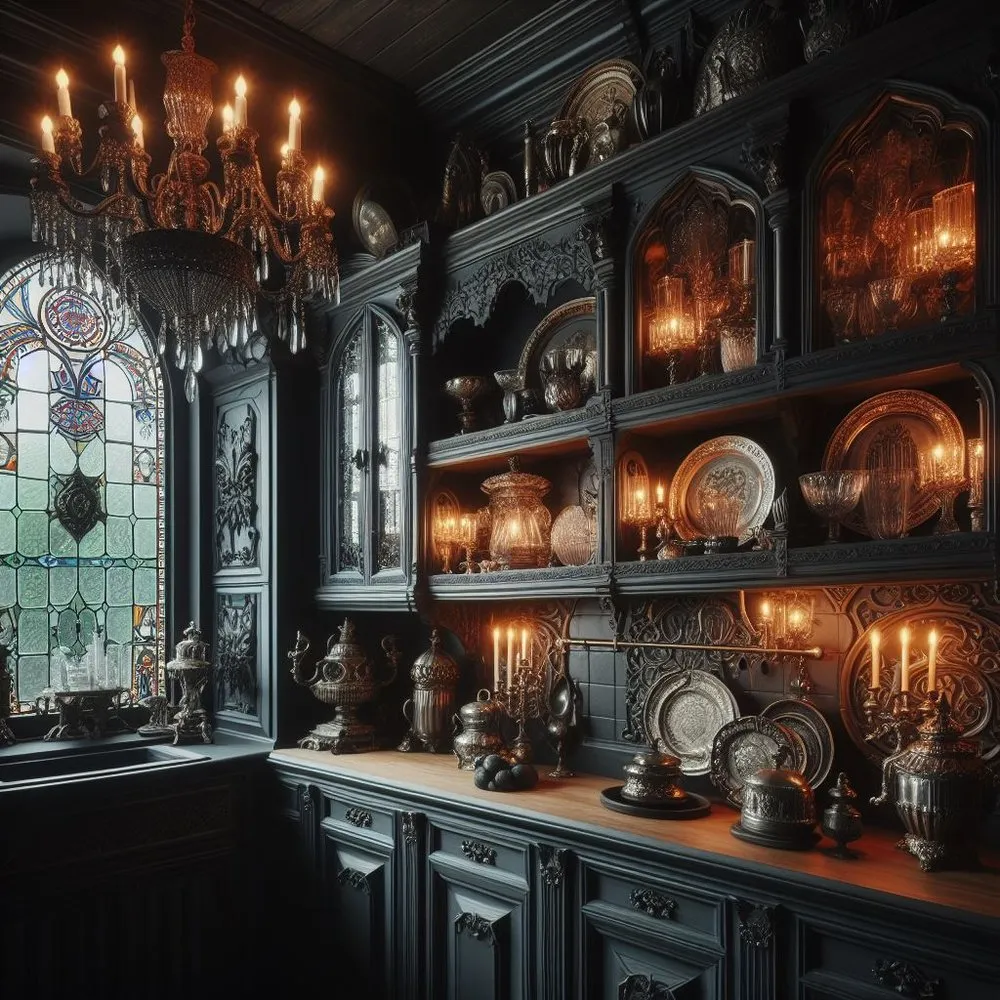
Gothic Kitchen Decor 5 Tips for a Spooky Vibe
Transforming your kitchen into a gothic haven is an exciting project, allowing you to express your unique style and create a space that’s both dramatic and inviting. Gothic kitchen decor is all about embracing a darker aesthetic, rich textures, and historical motifs. Whether you’re drawn to the elegance of gothic architecture or the allure of vintage design, creating a gothic kitchen can be a rewarding experience. With the right elements, you can craft a space that’s both functional and visually stunning, making your kitchen the heart of your home with a touch of mystery and allure. This guide provides five essential tips to help you achieve the perfect gothic kitchen, ensuring a look that is both spooky and stylish, perfect for any home.
Embrace the Darkness Defining Gothic Kitchen Decor
Gothic kitchen decor is characterized by a distinctive blend of dark colors, ornate details, and historical influences. It goes beyond a simple decorating style, offering a way to create a unique atmosphere that reflects the historical aesthetic and the allure of mystery. Elements such as dark wood, wrought iron accents, and elaborate architectural features define the aesthetic. The goal is to transform your kitchen into a space that’s both functional and visually striking. This style often incorporates elements of the macabre, but it can be softened with touches of elegance and comfort. The key is to strike a balance between the dramatic and the functional, ensuring your kitchen remains a practical and enjoyable space.
Key Elements of Gothic Kitchen Decor

Several key elements are essential to successfully creating a gothic kitchen. The foundation of a gothic kitchen is its ability to blend historical influences with modern functionality. From the color palette to the accessories, each detail plays a crucial role in capturing the essence of this unique aesthetic. The use of dark colors, dramatic lighting, and gothic-inspired furnishings are the hallmarks of this style. Ornate details and historical motifs add to the overall atmosphere, creating a unique, visually rich space. By focusing on these key elements, you can achieve a gothic kitchen that’s both functional and strikingly beautiful.
Tip 1 Dark Color Palette
The color palette is the cornerstone of any gothic kitchen. Dark, rich colors create the dramatic and atmospheric foundation that defines this style. Think deep blacks, rich reds, and dark purples. These colors not only set the mood but also add depth and sophistication to the space. Dark colors can make a space feel smaller, so it’s important to balance them with reflective surfaces and adequate lighting to prevent the kitchen from feeling cramped. This palette creates an elegant and mysterious ambiance, essential for achieving the gothic aesthetic.
Choosing the Right Shades
When selecting colors for your gothic kitchen, focus on deep and saturated hues. Black, of course, is a staple, but it can be complemented by shades like charcoal gray, deep burgundy, and forest green. Consider using matte finishes to enhance the gothic feel, as they absorb light and add to the overall drama. Metallic accents like gold or silver can be introduced sparingly to add contrast and visual interest. The key is to create a palette that is both visually cohesive and evocative of the gothic era.
Incorporating Black, Deep Reds, and Purples

Incorporating black, deep reds, and purples into your kitchen is crucial. Use black for cabinetry or walls to establish a strong gothic foundation. Introduce deep reds through textiles like velvet curtains or upholstered chairs, creating pops of color that add warmth. Purples, especially shades like plum or eggplant, can be incorporated through accessories and accent walls, adding a layer of mystery. These colors, combined in strategic ways, will create a truly gothic ambiance.
Tip 2 Dramatic Lighting
Lighting plays a critical role in setting the mood in a gothic kitchen. The right lighting fixtures can transform a functional space into a dramatic and inviting one. The goal is to create an atmosphere of mystery and allure. Layering your lighting scheme with a mix of ambient, task, and accent lighting is key. Consider incorporating dimmable lights so you can adjust the mood to match your needs. Dramatic lighting will illuminate the key features while creating the perfect gothic atmosphere.
Types of Gothic Lighting Fixtures
To achieve the gothic aesthetic, select lighting fixtures that reflect the style’s historical influences. Chandeliers with wrought iron or dark metal finishes are excellent choices, offering a touch of elegance and drama. Pendant lights with intricate designs or crystal accents can enhance the ambiance. Sconces with a gothic flair, such as those with candelabra designs, can be added to the walls to provide additional lighting. Combining these different fixtures will create a layered lighting scheme, enhancing the gothic ambiance.
Candles and Lanterns for Ambiance

Candles and lanterns are indispensable for creating a gothic ambiance. Place various sizes and styles of candles on countertops, tables, and shelves to create a warm, inviting glow. Lanterns with dark, ornate frames add a touch of old-world charm. Consider using battery-operated candles for safety, and choose scented candles with earthy or spicy fragrances to enhance the experience. Incorporating candles and lanterns in your gothic kitchen will create a perfect, dramatic atmosphere.
Tip 3 Gothic-Inspired Furnishings
The furnishings you choose will define the character of your gothic kitchen. Opt for furniture pieces that reflect the style’s historical roots. Consider dark wood cabinets, ornate tables, and chairs with intricate details to create an authentic gothic look. The goal is to select furniture that is both functional and visually appealing. The right furnishings will transform your kitchen into a striking space, full of character and charm.
Selecting Gothic Kitchen Cabinets
Kitchen cabinets play a central role in establishing the overall style. Choose cabinets with dark wood finishes, such as mahogany or cherry, to achieve an authentic gothic look. Consider adding ornate details like arched doors, carved panels, or decorative moldings. For a more modern take, opt for cabinets with a sleek design and dark color palette. These cabinets will give your kitchen a strong, gothic foundation.
Choosing Gothic-Style Tables and Chairs

Tables and chairs with intricate designs and dark finishes can complement the gothic theme. Look for tables with carved legs or ornate details, and chairs with high backs or upholstered seats. Wrought iron chairs with detailed patterns and dark wood chairs will bring a touch of elegance to your dining area. These gothic-style tables and chairs will add to the overall aesthetic.
Tip 4 Accessorizing with Gothic Elements
Accessories are the finishing touches that truly bring your gothic kitchen to life. The right accessories can enhance the gothic ambiance. Choose items that complement the dark color palette and embrace historical motifs. From wall decor to kitchenware, the accessories you select will personalize your space. Adding gothic elements will add mystery and allure to your kitchen, completing the look.
Incorporating Gothic Wall Decor
Wall decor is a key element in setting the tone. Consider artwork featuring gothic architecture, medieval scenes, or portraits in antique frames. Mirrors with ornate frames can add drama and reflect light. Tapestries with intricate patterns or dark, gothic-inspired wallpaper can bring a touch of elegance to your walls. Combining these elements will transform your walls and add to your kitchen’s gothic charm.
Selecting Gothic Kitchenware and Utensils

Kitchenware and utensils also play a role in enhancing the gothic atmosphere. Select items with dark finishes or intricate designs. For example, choose black or dark metal cookware and utensils. Display antique silverware and serving dishes. Consider incorporating gothic-style glassware, such as goblets and ornate decanters. Including these accessories in your kitchen will enhance your gothic aesthetic.
Tip 5 Adding Texture and Patterns
Incorporating texture and patterns is essential for adding depth and visual interest to your gothic kitchen. Combining luxurious materials and rich patterns can create an interesting and inviting space. The goal is to create a tactile and visually rich environment. Adding texture and patterns will enhance the gothic ambiance.
Using Velvet, Lace, and Damask
Incorporating velvet, lace, and damask into your kitchen will enhance its gothic aesthetic. Use velvet curtains or upholstery to add a touch of luxury. Lace accents on tablecloths or placemats will add a touch of delicacy. Damask patterns on wallpaper or fabric will introduce a sense of historical elegance. Combining these textures will create a cozy and inviting space.
Incorporating Gothic Patterns and Prints

Gothic patterns and prints can add a unique touch. Consider using damask or fleur-de-lis patterns on your walls. Incorporate patterned wallpaper or fabric with gothic motifs, such as gargoyles or architectural elements. A mix of patterns with different textures creates depth and visual interest. These patterns will add a distinct flair.
Conclusion Creating Your Gothic Kitchen Oasis
Creating a gothic kitchen is about embracing a unique style and adding your own personal touch. By focusing on dark colors, dramatic lighting, gothic-inspired furnishings, accessories, and adding texture and patterns, you can create a space that is both stylish and inviting. Remember to balance the dramatic elements with functionality to make the kitchen a practical and enjoyable space. Embrace the darkness and let your kitchen become a reflection of your unique style, turning your kitchen into a true gothic oasis that you’ll love to cook and entertain in. This guide gives you the tools to achieve your gothic kitchen transformation.