Gothic Kitchen Decor Top 5 Ideas
Transforming your kitchen into a gothic haven involves more than just dark colors it is about embracing a dramatic aesthetic, rich textures, and an atmosphere of mystery. Gothic kitchen decor is not just a trend; it is a statement of individuality. It allows you to create a space that is both functional and deeply personal. This guide explores five key ideas to help you bring the allure of gothic design into your kitchen, creating a space that is both elegant and evocative. From selecting the right color palette to incorporating unique furniture and decor, you will discover how to create a kitchen that is as captivating as it is functional. Get ready to explore the depths of gothic style and transform your kitchen into a stunning masterpiece.
Dark Color Palette for a Gothic Kitchen
The foundation of any gothic kitchen is its color scheme. Dark, moody hues are essential. Think deep blacks, charcoal grays, and rich jewel tones like burgundy, emerald green, and royal purple. These colors create a sense of depth and drama. They are perfect for setting the stage for a gothic ambiance. Using these colors, you can create a truly immersive experience. It’s essential to balance these darker shades with lighter accents to prevent the space from feeling too enclosed. Consider incorporating lighter elements, such as antique white cabinets or metallic hardware, to provide contrast and visual relief. This balance ensures that the kitchen feels both inviting and stylish.
Choosing the Right Paint Colors

Selecting the correct paint colors is vital to a gothic kitchen design. Opt for matte or satin finishes to enhance the sense of depth. Matte paints absorb light, making the space feel more intimate. Satin paints provide a subtle sheen that adds a touch of elegance. Before committing to a full paint job, it is recommended to test samples in your kitchen. Observe how the colors appear in different lighting conditions throughout the day. This will help you choose the perfect shade and finish that best suits your space and desired aesthetic. Proper paint selection sets the tone for the entire kitchen, so take your time and find the perfect combination of colors to create the gothic atmosphere you desire.
Incorporating Black and Deep Hues
Black and other deep hues are the cornerstones of gothic design. Use black on your cabinets, walls, or even the ceiling. This immediately establishes a dramatic foundation. Incorporate deep reds, purples, or greens through accent walls, backsplashes, or decorative elements. These colors will add layers of visual interest. To avoid making the kitchen feel too dark, balance these deep hues with lighter elements. Consider adding light-colored countertops, flooring, or metallic accents. Strategic placement of mirrors can also help reflect light and expand the space. This combination of dark and light will provide a space that feels balanced, and sophisticated. The correct balance is essential in achieving the gothic style.
Adding Texture with Dark Finishes
Texture plays a crucial role in gothic kitchen design. It adds depth and visual interest. Incorporate textured materials such as exposed brick, dark wood, and stone. These elements create a sense of history and depth. Rough-hewn wooden beams or a brick backsplash can provide a rustic touch. Using dark, ornate hardware on cabinets and drawers also contributes to the gothic aesthetic. Think about using wrought iron handles or antique bronze knobs. The use of textured finishes will enhance the richness of the kitchen’s design. It will also create an immersive experience. By layering textures, you can create a sophisticated and visually appealing space.
Materials for Gothic Kitchens
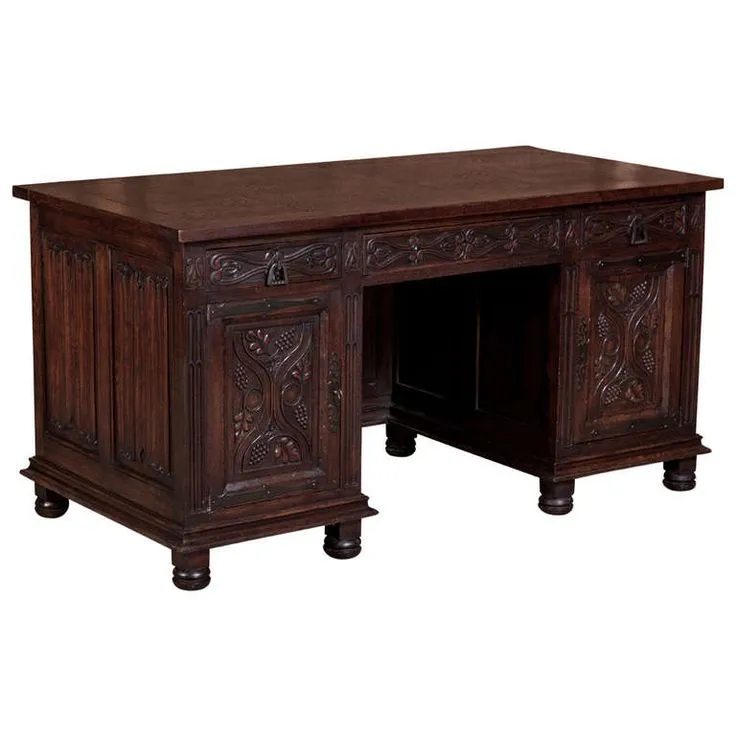
When choosing materials, select those that reflect the gothic style. Dark wood is an excellent choice for cabinets, flooring, and furniture. Granite or marble countertops in dark colors can add luxury and sophistication. Consider using stone or slate for the backsplash to enhance the moody ambiance. Metal accents, such as wrought iron or antique brass, can be incorporated through hardware, lighting fixtures, and decorative elements. Fabrics like velvet or brocade can also be used to add texture and elegance. These materials, combined, create a cohesive and immersive gothic kitchen environment. The right materials are vital in the overall look and feel of the kitchen.
Creating a Moody Atmosphere with Lighting
Lighting is key to setting the mood in a gothic kitchen. The goal is to create a dramatic and intimate ambiance. Avoid bright, harsh overhead lights. Instead, opt for layered lighting that combines ambient, task, and accent lighting. This approach allows you to control the overall atmosphere of the kitchen. Consider using dimmable lights to adjust the brightness as needed. This flexibility is useful in creating the mood you desire, whether it is a cozy evening or a more energetic workspace. You will find that thoughtful lighting design can transform the space, enhancing its gothic appeal.
Types of Lighting Fixtures
Choose lighting fixtures that complement the gothic aesthetic. Chandeliers with intricate designs and dark finishes are excellent choices for ambient lighting. Pendants over the island or countertops can provide task lighting. Sconces with a vintage or ornate style can add a touch of elegance to the walls. Consider using Edison bulbs in your fixtures to create a warm, inviting glow. The use of different types of lighting will enhance the gothic style. It will also create a more immersive experience. This will create a multi-layered and visually appealing lighting scheme.
Placement of Lighting

Proper placement of lighting is just as important as the type of fixtures. Install recessed lighting to provide general illumination. Place pendant lights directly above the kitchen island. This provides focused task lighting. Use sconces on either side of the cabinets. This creates a balanced lighting effect. Under-cabinet lighting can highlight the countertops and add a subtle glow. Use accent lighting to highlight architectural features, such as arched doorways or exposed beams. The goal is to create a balanced lighting scheme that emphasizes the dramatic elements of the gothic style. You will find that the right placement can transform the space, enhancing its gothic appeal.
Gothic Kitchen Furniture and Decor
The furniture and decor you choose are essential in bringing the gothic aesthetic to life. Select pieces that feature intricate details, dark finishes, and a sense of history. Vintage or antique pieces often work best. They add character and authenticity to the space. Don’t be afraid to mix and match styles. Doing so can create a unique and personalized gothic kitchen. When selecting furniture and decor, focus on quality materials and craftsmanship. This is about creating a space that is both functional and visually stunning. The details in your choice will transform your kitchen into a gothic masterpiece.
Choosing Gothic-Style Furniture
When choosing furniture, look for pieces with gothic-inspired features. This includes details such as arched designs, carved accents, and dark wood finishes. A large, sturdy dining table made of dark wood can serve as the centerpiece of the kitchen. Pair it with high-backed chairs upholstered in velvet or leather. Consider incorporating a gothic-style hutch or display cabinet to showcase your collection of dishes or decorative items. It will enhance the visual appeal of your kitchen. It will also create a cohesive gothic design throughout the space.
Decorative Elements

Decorative elements are vital in completing the gothic kitchen look. Incorporate items such as antique mirrors with ornate frames, candelabras, and wrought iron accents. Display gothic-style artwork, such as portraits or landscapes, to create a gallery-like atmosphere. Add textiles like velvet curtains and patterned rugs to soften the space and add texture. Utilize unique items such as vintage clocks, gothic-inspired statues, or themed tableware. The careful selection of decorative elements will add a layer of personality to the kitchen. It will make it a true reflection of the gothic style. These details will create a truly immersive and captivating space.
Integrating a Gothic Desk Space
Incorporating a desk space into your gothic kitchen creates a functional and stylish workspace. Whether you have a dedicated area or need to integrate a desk into an existing layout, there are many ways to achieve this. The key is to blend the workspace seamlessly with the overall gothic aesthetic. This will ensure the space is both productive and visually cohesive. A well-designed desk area can add a unique touch to your gothic kitchen. It can also enhance the functionality of the space.
Desk Design and Style
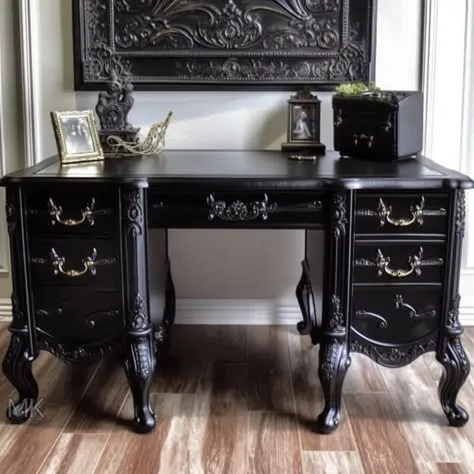
Choose a desk that complements the gothic style. Look for a desk made of dark wood with intricate carvings or details. A writing desk with a vintage or antique feel is an excellent choice. If space is a constraint, consider a floating desk or a built-in desk. These can be integrated seamlessly into the kitchen design. Ensure the desk’s design aligns with your overall kitchen aesthetic. The combination will produce a cohesive and visually appealing workspace. The right desk style will provide a functional and beautiful workspace in your gothic kitchen.
Storage and Organization

Good storage and organization are essential for a functional workspace. Add shelves, drawers, and cabinets to keep your workspace tidy. Consider using organizers to keep your supplies organized. Use decorative storage containers to store items like pens, paper, and other office supplies. This will blend seamlessly with the gothic design. Maximize vertical space by adding shelves above the desk or installing a wall-mounted cabinet. This approach ensures that your desk area remains organized. It also maintains the visual appeal of your gothic kitchen. Implementing these storage solutions will improve the functionality of your desk space.
In conclusion, creating a gothic kitchen is about embracing a dramatic aesthetic, rich textures, and an atmosphere of mystery. By focusing on a dark color palette, adding texture with dark finishes, incorporating gothic furniture and decor, and creating the right lighting, you can transform your kitchen into a stunning gothic masterpiece. Integrating a gothic desk space further enhances the functionality and style of your kitchen. By following these five ideas, you can create a kitchen that is both functional and deeply personal. This will truly reflect your individual style. Embrace the darkness and create a space that is both elegant and evocative.