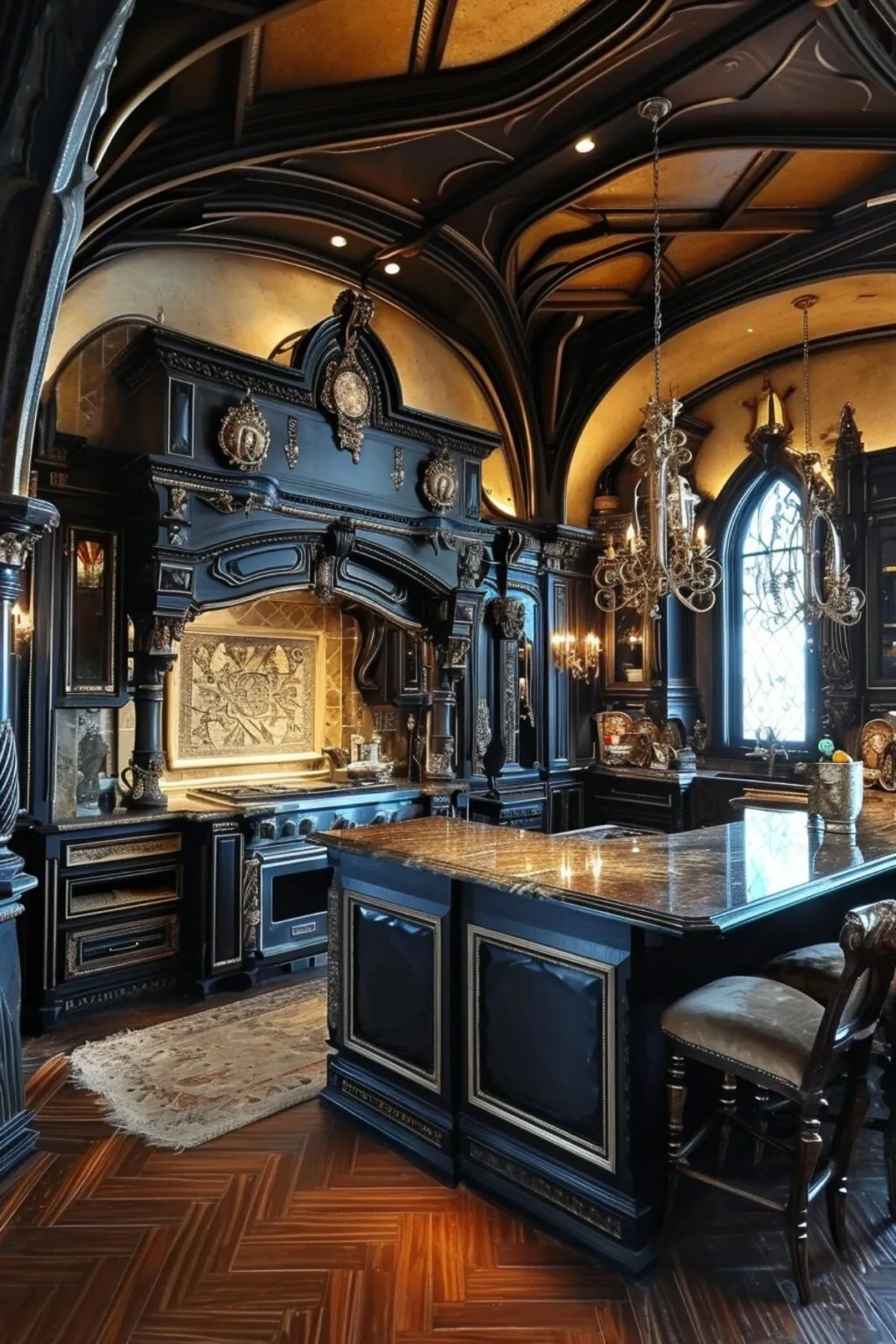
Transform your kitchen into a captivating haven with Gothic kitchen decor ideas. This style, known for its dark elegance and dramatic flair, allows you to create a space that’s both inviting and mysterious. Forget the mundane; embrace the shadows and discover the secrets to a truly unique and atmospheric kitchen. Here, we unveil the top 5 secrets to achieving an unforgettable Gothic kitchen that exudes charm and sophistication.
Gothic Kitchen Decor Ideas
A Gothic kitchen is more than just a place to cook it’s a statement. It’s about creating an atmosphere of dark beauty and historical richness. Think of it as your personal castle, complete with its own unique charm and mystique. Whether you’re a seasoned Gothic enthusiast or a curious newcomer, these secrets will guide you in crafting a kitchen that’s both functional and fabulously Gothic.
Dark Color Palette
The cornerstone of Gothic kitchen decor is a rich, dark color palette. Think deep shades that evoke mystery and drama. This forms the perfect backdrop for the other elements in your kitchen. Colors like charcoal gray, deep burgundy, forest green, or even black, create a moody, elegant feel. These hues will set the stage for your Gothic transformation. Don’t be afraid to go bold; the darker, the better!
Choosing the Right Paint

When selecting paint, consider the texture as much as the color. Matte finishes absorb light, enhancing the darkness and creating a more intimate atmosphere. For durability, opt for eggshell or satin finishes on walls and cabinets. Experiment with different shades of the same color for depth. For example, a charcoal gray can be paired with a lighter shade of gray for the trim, adding dimension to your kitchen. The right paint sets the mood, making your kitchen truly Gothic.
Incorporating Dark Cabinetry
Dark cabinetry is a key component of a Gothic kitchen. Whether you opt for painted cabinets or stained wood, the effect should be dramatic. Black or dark wood cabinets create a strong foundation for your kitchen design. Consider the style of your cabinets, such as raised panels or ornate detailing, to add to the Gothic aesthetic. Dark cabinetry adds a sense of luxury and sophistication. Complement with lighter countertops to create a striking contrast.
Dramatic Lighting
Lighting is crucial in Gothic decor, setting the mood and highlighting the architectural features and design elements. It’s about more than just illumination; it’s about creating an atmosphere. Choose lighting that complements the dark color scheme and adds a touch of drama. Layering different light sources is essential, combining ambient, task, and accent lighting for a well-balanced and visually appealing space. The right lighting transforms your kitchen from functional to fabulously Gothic.
Chandeliers and Statement Lighting

A dramatic chandelier or statement pendant lights can instantly elevate the Gothic aesthetic. Look for fixtures with intricate designs, dark finishes, or crystal accents. Wrought iron chandeliers or those with candle-style bulbs perfectly capture the Gothic spirit. Place them over your kitchen island or dining area to make a bold statement. These pieces serve not just as light sources but as focal points, embodying Gothic elegance.
Candles and Ambient Lighting
Incorporate candles and other ambient lighting to create a softer, more intimate atmosphere. Use candelabras, lanterns, or strategically placed candles on countertops or shelves. The flickering light adds a sense of mystery and romance, enhancing the Gothic mood. Battery-operated candles are a safe and convenient option. Ambient lighting is an essential aspect of the Gothic decor style, softening the space and adding depth.
Embracing Gothic Architectural Details
Gothic architecture is rich in detail and character, making it a wonderful source of inspiration for your kitchen. Incorporate elements such as arched doorways, exposed brick, and intricate molding to enhance the Gothic atmosphere. If your kitchen doesn’t have these features, consider adding them or using decorative elements that mimic them. Architectural details bring history and charm to your space.
Arched Doorways and Windows
Arched doorways and windows are classic Gothic features. If possible, incorporate these architectural details into your kitchen design. If structural changes aren’t feasible, use arched mirrors or decorative elements to mimic the look. Arches add elegance and a sense of grandeur to the space, enhancing the Gothic feel. Consider arched window treatments to emphasize this architectural element.
Exposed Brick and Stone
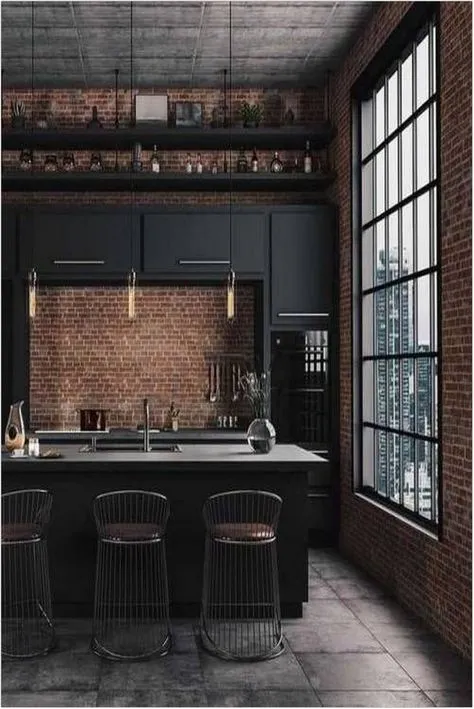
Exposed brick or stone walls add texture and a touch of history to your Gothic kitchen. The rough, natural texture contrasts beautifully with the dark colors and adds character. If you don’t have original brick or stone, consider using brick veneer or faux stone panels. This element is reminiscent of ancient castles, bringing an authentic Gothic feel. It’s a simple yet effective way to infuse your kitchen with Gothic charm.
Statement Hardware and Fixtures
The right hardware and fixtures can significantly enhance the Gothic aesthetic. Choose pieces that reflect the style’s ornate and detailed nature. Think of it as the jewelry for your kitchen. The details matter, from cabinet knobs and pulls to faucets and sinks. The right hardware and fixtures add a touch of sophistication and complete the Gothic look.
Intricate Cabinet Knobs and Pulls

Opt for cabinet knobs and pulls with intricate designs. Wrought iron or antique brass hardware are excellent choices, as they bring in historical flair. Consider ornate, detailed pieces that reflect the Gothic period’s craftsmanship. These small details can make a big impact, adding a touch of elegance and completing the overall look. The right hardware adds a layer of sophistication and attention to detail.
Ornate Faucets and Sinks
Choose faucets and sinks that complement the Gothic style. Antique-style faucets, with their detailed designs and dark finishes, add a touch of elegance. Consider an apron-front sink in a dark color or with ornate detailing. These elements not only serve a functional purpose but also enhance the Gothic atmosphere. Choose materials like copper, bronze, or black iron to add a touch of drama.
Adding Gothic-Inspired Decor
Accessorizing with Gothic-inspired decor is essential. This includes art, mirrors, and textiles that evoke a sense of mystery and elegance. Use decorative pieces that complement the dark color palette and the architectural features, creating a cohesive and inviting space. The right decor is the finishing touch, pulling the Gothic style together and making it your own.
Gothic Art and Mirrors

Hang Gothic art, such as portraits, landscapes, or abstract pieces with dark themes. Mirrors with ornate frames or Gothic arches are excellent choices, reflecting light and enhancing the sense of space. Look for antique or vintage pieces to add an authentic feel. Gothic art and mirrors add personality and character, making your kitchen feel unique and reflective of the style.
Textured Fabrics and Textiles
Incorporate textured fabrics like velvet, brocade, or damask for a luxurious feel. Use these fabrics for window treatments, chair cushions, or even a tablecloth. These textiles add depth and sophistication, softening the space and creating a more inviting atmosphere. Dark, rich colors in the fabrics complement the Gothic theme, adding a touch of elegance and warmth.
Transforming your kitchen into a Gothic haven involves more than just these secrets. It is about creating a space that reflects your personal style, embracing the shadows, and celebrating the beauty of the dark. With these ideas, you’re well on your way to a kitchen that is not just functional, but also a stunning reflection of Gothic charm. Enjoy the process, and let your imagination guide you!