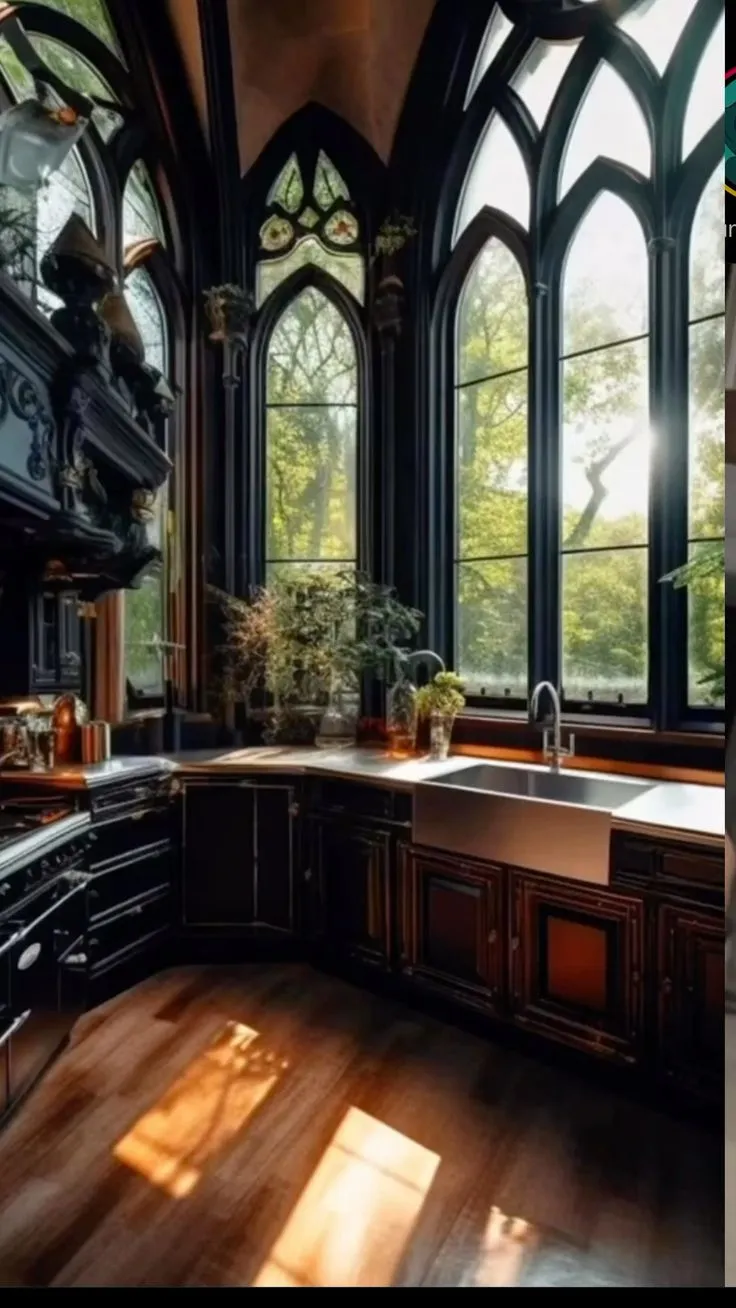
Gothic Kitchen Decor Ideas
Transforming your kitchen into a gothic sanctuary can be an exciting and rewarding project. This unique style, characterized by its dramatic flair, historical depth, and mysterious charm, offers a refreshing alternative to contemporary designs. Gothic kitchen decor embraces a sense of grandeur and intimacy, creating a space that feels both opulent and inviting. This article will delve into the key elements of gothic design, explore five stunning transformations, and provide guidance on how to create your own gothic kitchen masterpiece, transforming your space into a gothic kitchen mansion.
Embracing the Gothic Style
Gothic style, originating from the medieval era, is known for its distinctive architecture, intricate detailing, and a certain dramatic aesthetic. When applied to kitchen design, this translates into a space that’s both functional and visually captivating. It’s about creating an atmosphere of mystery and sophistication, achieved through the careful selection of materials, colors, and decorative elements. The goal is to evoke a sense of historical elegance while providing a practical and comfortable cooking and gathering area, ensuring a perfect gothic kitchen mansion.
Historical Inspiration

Gothic design draws heavily from the architecture and artistry of the medieval period, specifically the 12th to 16th centuries. This period is characterized by pointed arches, ribbed vaults, and intricate stained-glass windows. To incorporate this into your kitchen, consider elements like arch-shaped doorways, dark wooden cabinetry, and detailed carvings. The historical influence extends to the choice of materials and finishes; think rich, dark wood, wrought iron accents, and stone countertops to perfectly capture the essence of a gothic kitchen mansion.
Key Elements of Gothic Design
Understanding the core components of gothic design is crucial for creating an authentic gothic kitchen. Key elements include the strategic use of dark color palettes, incorporating textured surfaces, and introducing ornate details. Achieving the desired aesthetic is about creating a cohesive and balanced look. It’s about blending the elements of history, the mystique of the dark and the practicality of a modern kitchen to get your gothic kitchen mansion.
Dark Color Palettes
Dark, rich colors are at the heart of gothic design. Deep hues like charcoal gray, burgundy, forest green, and even black form the foundation of the gothic kitchen. These colors create a sense of drama and intimacy, setting the mood for a truly unique space. Consider using these colors on cabinetry, walls, or even appliances. Metallic accents in gold, bronze, or silver can provide a beautiful contrast, adding a touch of luxury and sophistication to your gothic kitchen mansion. The use of these colors is fundamental to the gothic style.
Textured Surfaces and Materials

The use of varied textures adds depth and interest to a gothic kitchen. Incorporate materials such as dark, polished wood, stone, and wrought iron to bring the style to life. Textured surfaces, such as exposed brick walls or stone backsplashes, can add a rustic, authentic touch. Consider the use of decorative tiles with intricate patterns or metallic finishes for backsplashes. These textures create a tactile experience and add visual complexity to the gothic kitchen, creating a unique gothic kitchen mansion.
Top 5 Gothic Kitchen Transformations
Here are five inspirational transformations that showcase the versatility and beauty of gothic kitchen design, each offering a unique approach to bringing the gothic aesthetic into your home, perfect for any gothic kitchen mansion.
Transformation 1 Dark Wood and Stone
This transformation focuses on the use of dark wood cabinetry paired with stone countertops and flooring. The contrast between the smooth, polished wood and the rough, textured stone creates a visually striking effect. Integrate wrought iron hardware on the cabinets and incorporate a stone or brick backsplash to add to the gothic appeal. Add antique lighting fixtures to complete the look, transforming the kitchen into a dramatic yet inviting space. This transformation provides an elegant and traditional gothic kitchen mansion.
Transformation 2 Dramatic Lighting

Lighting plays a crucial role in setting the mood in a gothic kitchen. This transformation emphasizes the use of dramatic lighting fixtures such as chandeliers, sconces, and pendant lights with intricate designs. Choose fixtures made of wrought iron, bronze, or crystal to enhance the gothic aesthetic. Consider dimmable lights to adjust the ambiance and create an intimate atmosphere. This transformation is perfect for creating a mysterious and enchanting space, a true gothic kitchen mansion.
Transformation 3 Antique Furnishings
Incorporate antique furnishings and decorative elements to add character and history to your kitchen. Think about adding an antique table or a vintage display cabinet to showcase your collection of china or glassware. Choose furniture with detailed carvings, intricate designs, and rich finishes. These elements add an air of authenticity and charm, enhancing the gothic kitchen mansion. This transformation brings an element of the past into the present, creating a unique space.
Transformation 4 Gothic-Inspired Details
Focus on incorporating specific gothic-inspired details to enhance the overall design. This could include pointed arches, stained-glass windows, or ornate hardware on cabinets and drawers. Add gothic-style artwork, such as portraits or landscapes, to the walls. Consider incorporating decorative tiles with gothic patterns or motifs. These details will enhance the gothic aesthetic and create a cohesive and stylish space, ideal for a gothic kitchen mansion.
Transformation 5 Modern Gothic Blend

This transformation combines gothic elements with modern design features. Use dark color palettes and textured materials, but balance them with sleek lines and contemporary appliances. Integrate modern lighting fixtures with gothic-inspired designs. This blend creates a unique and stylish space that is both functional and visually appealing. This modern approach will give you a balanced and trendy gothic kitchen mansion.
Designing Your Gothic Kitchen
Creating a gothic kitchen is a personal journey. Planning and execution are essential. Here’s how to get started. Make sure to consider the layout and select materials that complement the overall style, all while adding those finishing touches.
Planning and Layout
Before starting any transformation, plan the layout of your gothic kitchen. Consider the flow of movement and the placement of appliances. Decide on the color scheme, materials, and the type of furniture you would like to include. Drawing up a detailed plan ensures a cohesive design and that you make the most of the available space. This planning stage is critical to creating a functional and aesthetically pleasing gothic kitchen mansion.
Selecting the Right Materials

Choosing the right materials is crucial. Opt for dark wood cabinetry, stone countertops, and textured backsplashes. Consider the use of wrought iron hardware and lighting fixtures. The right materials create the foundation of your gothic kitchen. Choose materials that complement the overall design. This thoughtful selection process ensures that your gothic kitchen will be both beautiful and durable, making it a true gothic kitchen mansion.
Adding Finishing Touches
The finishing touches complete the look. Add gothic-inspired artwork, antique furnishings, and decorative elements. Include a chandelier or sconces to enhance the ambiance. These details will elevate the overall aesthetic of your gothic kitchen. By adding those finishing touches, you create a space that is both inviting and stylish, completing your gothic kitchen mansion.