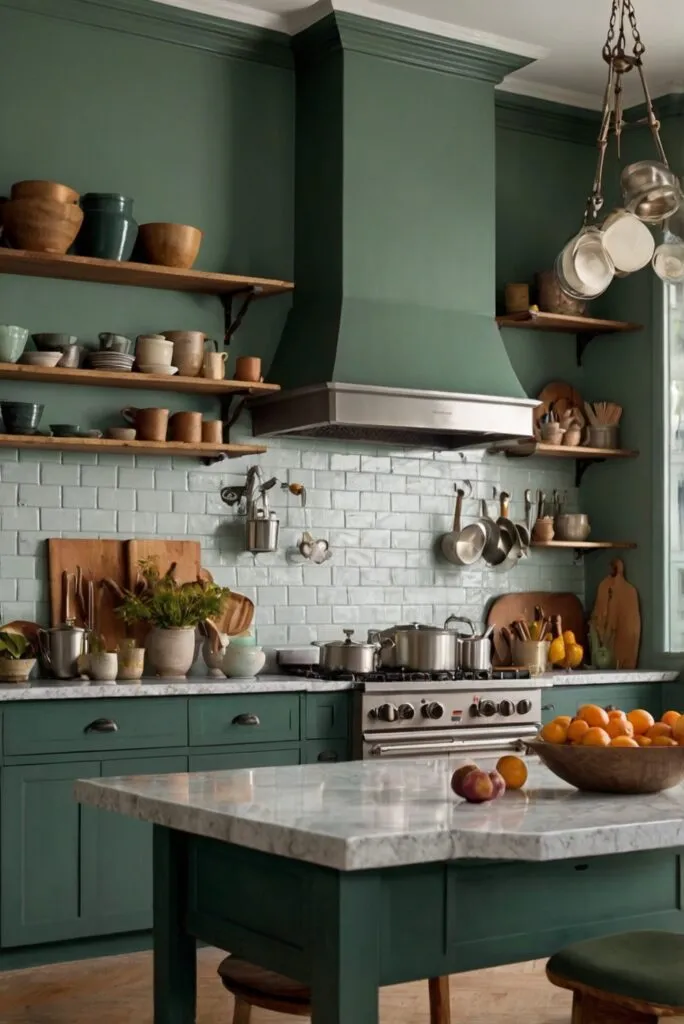
Understanding Color Theory for Kitchen Decor
Embarking on a kitchen makeover can be an exciting yet daunting task. One of the most critical aspects of achieving a cohesive and visually appealing kitchen is understanding color theory. Color theory provides the fundamental principles and guidelines for selecting and coordinating colors effectively. This involves recognizing the relationships between different colors, understanding how they interact, and knowing how to use them to create specific moods and ambiances. A solid grasp of color theory empowers you to make informed decisions about your kitchen decor, ensuring a harmonious and stylish space. Without a basic understanding of color principles, you might face challenges in selecting colors that complement each other, leading to a disjointed and visually unappealing outcome. By diving into the basics of color theory, you are setting yourself up for success in designing a kitchen that reflects your personal style and enhances the overall appeal of your home. The right color choices can transform a simple kitchen into a vibrant and inviting hub of the home.
The Color Wheel and Its Application
The color wheel is the cornerstone of color theory. It’s a visual representation of colors arranged in a circular format, showing their relationships and how they interact. The color wheel typically includes primary colors (red, yellow, and blue), secondary colors (green, orange, and purple), and tertiary colors (combinations of primary and secondary colors). Understanding the color wheel is crucial as it helps you visualize color relationships and create effective color schemes. For example, colors opposite each other on the wheel are complementary, creating high contrast. Colors next to each other are analogous, producing harmonious and soothing combinations. The color wheel also illustrates color temperature, where warm colors (reds, oranges, and yellows) appear to advance and cool colors (blues, greens, and purples) recede. Leveraging the color wheel in your kitchen decor ensures a balanced and visually appealing design, preventing common pitfalls like clashing colors and ensuring your kitchen feels both stylish and functional. It’s an invaluable tool for anyone aiming to create a professionally designed space.
Complementary Colors

Complementary colors are pairs of colors that sit directly opposite each other on the color wheel. These color combinations create high contrast and visual excitement. The dynamic interplay between complementary colors adds depth and interest to your kitchen design. Common examples include red and green, blue and orange, and yellow and purple. When using complementary colors in your kitchen, it is essential to achieve balance. Consider using one color as the dominant hue and the other as an accent. For instance, if your kitchen features green cabinets, you might incorporate red accents in the form of dish towels, artwork, or small appliances. The key is to achieve harmony rather than overwhelming the space. Complementary colors work especially well in modern or contemporary kitchen designs, injecting vibrancy and visual appeal. Be mindful of the intensity of the colors; softer versions or pastels can create a more subtle effect while still retaining the benefits of the contrasting combination.
Analogous Colors
Analogous colors are groups of three colors that sit side-by-side on the color wheel. These color schemes create a sense of harmony and cohesion because they share a common hue. Analogous color schemes are ideal for creating a calming and sophisticated atmosphere. Some examples of analogous colors include combinations of blues, greens, and teals, or yellows, oranges, and reds. Using analogous colors in your kitchen involves choosing a dominant color and then adding variations of the surrounding colors. This approach creates a balanced and visually pleasing space without overwhelming the senses. For example, if you choose blue as your dominant color, you might add variations of teal and green to your decor. The result is a harmonious and soothing environment, perfect for a relaxing kitchen space. These combinations work well for kitchens that are looking for a unified, sophisticated aesthetic.
Triadic Colors
Triadic color schemes involve using three colors that are evenly spaced on the color wheel. These schemes offer a balanced and vibrant look, providing high contrast while maintaining harmony. They are excellent for creating energetic and lively kitchen spaces. Examples of triadic colors include red, yellow, and blue; or orange, green, and purple. While triadic color schemes can create a striking effect, it’s essential to use them carefully. One approach is to select one color as the dominant element and use the other two as accents. This method ensures visual balance and avoids a chaotic appearance. Using triadic colors effectively requires thoughtful consideration of how the colors interact. Consider the intensity and saturation of each color to ensure they complement each other without competing for attention. The aim is to create a space that is visually stimulating, yet remains well-balanced and inviting, offering a unique and memorable design.
Choosing Your Kitchen Decor Color Palette

Selecting the right color palette for your kitchen is a pivotal step in creating a cohesive and visually appealing design. The color palette sets the tone for the entire space, influencing the mood and atmosphere. Start by considering your personal preferences and the overall style of your home. Think about the colors you naturally gravitate towards and how they align with the style you are trying to achieve, whether modern, traditional, or rustic. Inspiration can come from various sources, such as magazines, online platforms, or even nature. Collect images of kitchens you admire and analyze the color combinations used. Once you have a general idea of the colors you like, create a mood board to visualize your palette. This board should include paint samples, fabric swatches, and images of appliances and accessories. By carefully considering your preferences, existing home style, and available inspiration, you can craft a color palette that reflects your personality and enhances the appeal of your kitchen.
Consider the Size and Lighting of Your Kitchen
The size and lighting of your kitchen are crucial factors in choosing your color palette. In small kitchens, lighter colors often make the space appear larger and more open. Colors like whites, light grays, and pastels reflect light and create an airy feel. Conversely, darker colors can make a small kitchen feel cramped. In larger kitchens, you have more flexibility. You can use a wider range of colors, including darker shades, without making the space feel confined. Lighting also significantly impacts how colors appear. Natural light will make colors appear brighter and more vibrant, while artificial light, such as incandescent or LED bulbs, can affect the undertones of your chosen colors. When choosing colors, consider the type and amount of lighting in your kitchen. Test paint samples in your kitchen at different times of day to see how the colors look under varying light conditions. This will help you avoid any unexpected color shifts and ensure the final result matches your vision.
Select the Right Color for Your Cabinets
Kitchen cabinets are a prominent element, often occupying a significant visual space. The color of your cabinets can dramatically impact the overall appearance of your kitchen. If you are aiming for a timeless look, consider neutral cabinet colors such as white, gray, or beige. These colors offer versatility and can be easily paired with various wall colors, countertops, and backsplashes. White cabinets create a clean, bright, and open feel, while gray cabinets provide a more modern and sophisticated aesthetic. For a bolder statement, you might choose colored cabinets, such as blue, green, or even black. Colored cabinets can add personality and a unique touch to your kitchen. When selecting cabinet colors, consider the style of your kitchen and the overall design scheme. Traditional kitchens often look best with classic neutral colors, while modern kitchens can accommodate bolder hues. Be sure to sample your chosen cabinet color alongside your wall colors and countertops to ensure they complement each other harmoniously. The right cabinet color sets the foundation for your kitchen’s design.
Choosing Colors for Walls and Backsplashes

Wall colors and backsplashes play a significant role in determining the overall atmosphere of your kitchen. Wall colors provide the background and set the mood, while the backsplash adds a decorative element and protects the walls. When selecting wall colors, consider the size and lighting of your kitchen. Lighter wall colors make a space appear larger and brighter, while darker colors can add depth and coziness. The wall color should complement the cabinet color. If you have neutral cabinets, you have more flexibility in choosing wall colors. You can experiment with various shades, from pastels to bold hues. The backsplash offers an opportunity to add visual interest and personality to your kitchen. You can choose from a wide range of materials, including tiles, glass, and natural stone. When selecting a backsplash, consider the existing elements in your kitchen, such as your countertops and cabinet colors. The backsplash should complement these elements and create a cohesive look. The right combination of wall color and backsplash can transform the overall aesthetic and make your kitchen feel complete.
Integrating Colors with Countertops and Appliances
Countertops and appliances are essential elements of any kitchen design, and their colors should be integrated carefully into your overall color scheme. Countertops come in a variety of materials and colors, ranging from classic granite and marble to modern quartz and solid surface options. When choosing your countertops, consider the color of your cabinets, walls, and backsplash. The countertop color should complement these elements, providing contrast or harmony. For example, if you have white cabinets, you might choose a dark granite countertop to create contrast. Appliances also play a significant role in your kitchen’s appearance. Stainless steel appliances are a popular choice, offering a sleek and modern aesthetic. Consider the finish and color of your appliances and incorporate them into your color palette. You can choose appliances that blend in with your cabinets or create a focal point. Ensure that the colors of your countertops and appliances harmonize with the rest of your kitchen to create a cohesive and visually appealing space. The integration of these elements is critical to achieving a balanced and stylish design.
Using Accessories to Tie the Room Together
Accessories are the final touch, playing a crucial role in tying the entire kitchen design together. They offer opportunities to add pops of color, texture, and personality, and can also create focal points. Consider the various types of accessories, such as dish towels, oven mitts, and small appliances. They can be used to introduce accent colors that complement your primary color scheme. For example, if your kitchen has a neutral color palette, you can use colorful dish towels or a vibrant coffee maker to add visual interest. Artwork and decorative items can also be used to enhance the overall aesthetic. Choose artwork that reflects your style and complements the colors in your kitchen. Consider using vases, bowls, and other decorative items to add texture and depth. By strategically placing these accessories, you can create a more inviting and visually appealing space. When using accessories, strive for balance. Avoid cluttering the space and choose items that enhance the overall design rather than detracting from it. The thoughtful use of accessories can transform your kitchen from functional to stylish, creating a space that reflects your personal style.
Choosing the Right Fabrics and Textiles

Fabrics and textiles can significantly influence the comfort and style of your kitchen. Consider the types of fabrics used in your kitchen. Curtains, window treatments, and chair cushions provide opportunities to introduce color, pattern, and texture. When selecting fabrics, consider the overall design scheme. If your kitchen has a neutral color palette, you can use patterned fabrics to add visual interest. If you have a bolder color scheme, choose solid-colored fabrics that complement the existing colors. The texture of the fabrics can also impact the overall feel of the space. Linen, cotton, and other natural fibers can create a casual and inviting atmosphere, while velvet or silk can add a touch of luxury. Ensure the fabrics you choose are practical and durable, as they will be exposed to spills, splatters, and daily wear and tear. The strategic selection of fabrics and textiles can enhance the comfort, functionality, and visual appeal of your kitchen. They are crucial for creating a space that feels both stylish and welcoming.
Incorporating Artwork and Decorative Items
Artwork and decorative items add personality and visual interest, enhancing the overall design. Choose artwork that reflects your style and complements the colors in your kitchen. Consider the size, style, and placement of your artwork. Large pieces of artwork can serve as a focal point, while smaller pieces can add subtle touches of color and texture. Decorative items such as vases, bowls, and other collectibles can be used to add depth and personality. Consider the colors and materials of these items, ensuring they harmonize with your overall color scheme. The placement of artwork and decorative items is crucial. Avoid cluttering the space and choose items that enhance the overall design rather than detracting from it. Grouping similar items together can create a cohesive and visually appealing display. With the right selection and placement, artwork and decorative items transform your kitchen into a stylish and personalized space that reflects your taste and enhances your home.
Avoiding Common Color Matching Mistakes
Even experienced designers can make mistakes when matching colors. Being aware of common pitfalls allows you to avoid them and create a more cohesive and stylish kitchen. Common mistakes often include the overuse of a single color, ignoring the impact of lighting, and mismatching undertones. Avoiding these errors is crucial for creating a successful design. Overuse of a single color can make a space feel monotonous and visually unappealing. It’s essential to incorporate a variety of colors to create depth and interest. Ignoring the impact of lighting can lead to unexpected color shifts. Testing paint samples in your kitchen under different lighting conditions helps you avoid this issue. Mismatching undertones can result in colors that clash rather than complement each other. Pay attention to the undertones of your colors and ensure they harmonize. By understanding and actively avoiding these common mistakes, you can significantly improve your chances of creating a beautiful and well-coordinated kitchen. Careful planning and a keen eye for detail are the keys to success.
Overuse of a Single Color

One of the most common mistakes is the overuse of a single color. While a monochromatic color scheme can be visually appealing, using too much of one color can make the space feel monotonous and lacking in depth. The key is to introduce variations and accents to break up the monotony. You can achieve this by incorporating different shades, tones, and textures of the dominant color. Adding accent colors is another effective strategy. Choose one or two complementary or contrasting colors to add visual interest and balance to the space. For instance, if your kitchen primarily features blue, consider adding touches of white, gray, or even orange for contrast. The goal is to create a visually dynamic space that is both cohesive and engaging. By carefully balancing your color choices, you can avoid the pitfall of a one-dimensional design and create a kitchen that is both beautiful and inviting.
Ignoring the Impact of Lighting
Lighting plays a critical role in how colors appear. Ignoring the impact of lighting can lead to unforeseen color shifts that can significantly alter the intended aesthetic. Natural light, artificial light, and the type of bulbs all influence how colors are perceived. Natural light tends to make colors appear brighter and more vibrant. Artificial light, on the other hand, can impact the undertones of your colors. For instance, incandescent bulbs emit a warm, yellowish light, which can make colors appear warmer, while fluorescent bulbs emit a cooler light. LED bulbs, while energy-efficient, can also affect color perception. Before making any final color decisions, it is essential to test paint samples in your kitchen under different lighting conditions. Observe how the colors look during the day and night, under natural light and artificial light. This will ensure that the colors you choose will look as intended. Properly accounting for lighting is critical to achieving the desired look and feel in your kitchen. The right approach to lighting is the key to perfect color matching.
Mismatching Undertones
Another common mistake is mismatching undertones. Undertones are the subtle hues that lie beneath the surface of a color. They can significantly impact how colors interact with each other. For instance, a white paint may have cool undertones (blue, green, or gray) or warm undertones (yellow, red, or brown). When choosing colors for your kitchen, pay close attention to their undertones. Ensure that the undertones of your different colors complement each other. Colors with similar undertones tend to harmonize, creating a cohesive look. Colors with conflicting undertones can clash, resulting in a disjointed and visually unappealing result. For example, if you have a cabinet color with cool undertones, choose wall colors, countertops, and backsplashes that also have cool undertones. To identify the undertones of a color, hold it up against a known neutral color, such as white. The difference in hue will reveal the undertones. Understanding and matching undertones is key to achieving a professional and polished kitchen design.
Maintaining a Balanced Color Scheme in Kitchen

Creating a harmonious kitchen requires more than just selecting appealing colors; it’s about maintaining a balanced color scheme. Balance ensures that no single color overwhelms the space, creating a visually pleasing and functional environment. Using the 60-30-10 rule is an excellent guideline for achieving this balance. This rule suggests using 60% of a dominant color, 30% of a secondary color, and 10% of an accent color. The dominant color typically covers the walls and cabinets, the secondary color is used on the countertops and appliances, and the accent color is integrated through accessories and artwork. Consider the use of texture and pattern. Mixing different textures and patterns can add depth and visual interest to your kitchen. However, avoid using too many patterns, as this can make the space feel busy and cluttered. Strive for consistency in your choices. Ensure that your color choices, materials, and finishes work together to create a unified and cohesive design. A balanced color scheme enhances the overall aesthetic and creates a more enjoyable and functional space. The ability to balance these aspects is what separates an average design from a professional-looking kitchen.