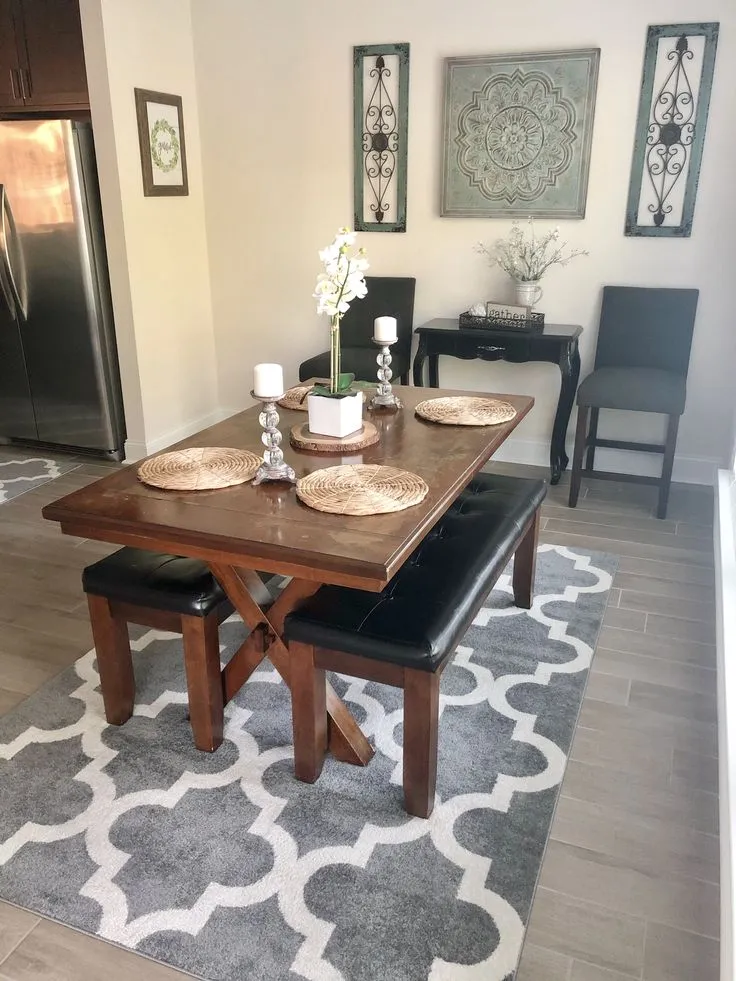
Kitchen Decor: Setting the Stage for Transformation
Transforming your kitchen is more than just a cosmetic change; it’s about creating a space that reflects your personality, meets your needs, and enhances your daily life. A well-designed kitchen is the heart of the home, a place for cooking, gathering, and making memories. Embarking on a kitchen decor project can seem daunting, but with careful planning and the right approach, you can create a space that is both beautiful and functional. This guide will take you step-by-step through the process, from assessing your current kitchen to selecting the perfect decor elements. We’ll explore the key considerations of style, budget, and timeline to ensure your transformation is a resounding success.
Understanding Your Kitchen’s Potential
Before diving into the exciting aspects of choosing colors and fixtures, it’s crucial to understand your kitchen’s existing potential. This involves a thorough evaluation of its current state, taking into account both its strengths and weaknesses. By understanding the limitations and opportunities of your space, you can make informed decisions that will maximize its functionality and aesthetic appeal. Consider factors such as natural light, available space, and the overall flow of the kitchen. This initial assessment will serve as the foundation for your design plan, ensuring that your transformation aligns with your practical needs and style preferences.
Assessing Your Current Kitchen

Start by conducting a comprehensive assessment of your existing kitchen. Make a list of everything you like and dislike about the space. Note the size and shape of the kitchen, the location of windows and doors, and the existing layout of appliances and cabinetry. Pay attention to any structural limitations, such as load-bearing walls or plumbing constraints. Identify any areas that feel cramped, inefficient, or visually unappealing. Consider the condition of your existing finishes, such as flooring, countertops, and cabinetry. Taking measurements is also very important, this will help determine how much space you have. This detailed assessment will provide you with a clear picture of what needs to be addressed during the transformation.
Identifying Your Design Style
Your kitchen decor should reflect your personal style and preferences. Take the time to identify your desired aesthetic. Browse interior design magazines, websites, and social media platforms like Pinterest and Instagram for inspiration. Create a mood board with images of kitchens that appeal to you. Consider various design styles, such as modern, traditional, farmhouse, minimalist, or bohemian. Think about the overall atmosphere you want to create in your kitchen – is it warm and inviting, sleek and contemporary, or cozy and rustic? This will guide your choices when selecting colors, materials, and accessories, ensuring a cohesive and visually appealing design.
Planning Your Kitchen Transformation
With a clear understanding of your kitchen’s potential and your desired design style, it’s time to create a detailed plan for your transformation. This involves setting a budget and defining a realistic timeline. Proper planning is crucial for a successful project, preventing costly mistakes and ensuring that your vision becomes a reality. Consider whether you will be undertaking the project yourself or hiring a professional designer or contractor. Researching and comparing different options will allow you to make informed decisions about every aspect of the project, from materials to labor.
Setting a Budget

Determine a realistic budget for your kitchen decor project. Research the costs of different materials, appliances, and labor to get an idea of the expenses involved. Be sure to include contingency funds for unexpected costs that may arise during the renovation. Prioritize your needs and wants, and be prepared to make compromises to stay within your budget. Consider DIY options for some tasks to save money, but be realistic about your skills and the time commitment involved. Creating a detailed budget will help you manage your finances effectively and prevent overspending.
Defining Your Timeline
Establish a realistic timeline for completing your kitchen transformation. Consider the scope of the project, the availability of materials and contractors, and any potential delays. Break down the project into smaller, manageable phases, and set deadlines for each phase. Communicate your timeline to any contractors or professionals involved in the project. Factor in buffer time to accommodate unexpected issues that may arise. Keeping a detailed schedule and tracking progress will help you stay organized and on track, ensuring your project is completed within a reasonable timeframe.
Key Kitchen Decor Elements
Selecting the right decor elements is key to transforming your kitchen into a space that is both beautiful and functional. From flooring and wall finishes to cabinetry, countertops, lighting, and appliances, each element contributes to the overall aesthetic and usability of the space. Consider the style, durability, and maintenance requirements of each element before making your choices. Balancing aesthetics with practicality is essential for a kitchen that meets your needs and enhances your enjoyment of the space. Choosing the right elements is about creating harmony and functionality in the kitchen.
Flooring and Wall Finishes

Flooring and wall finishes play a significant role in setting the tone and style of your kitchen. They provide the foundation for the overall design and should be chosen carefully to complement the other elements in the space. Consider the durability, maintenance requirements, and visual appeal of different options. The flooring should be resistant to moisture, scratches, and stains, especially in a high-traffic area like the kitchen. The wall finishes should be easy to clean and maintain, and should complement the cabinetry and countertops. They should also reflect your style.
Selecting the Right Flooring
Choose flooring that is durable, water-resistant, and aesthetically pleasing. Popular options include ceramic tile, porcelain tile, vinyl plank flooring, and hardwood. Consider the overall style of your kitchen when selecting the flooring. For example, farmhouse kitchens often feature hardwood or wide-plank flooring, while modern kitchens may incorporate sleek ceramic or porcelain tile. The color and texture of the flooring should complement the cabinetry and countertops. Durability is crucial, especially in high-traffic areas and where spills are common. Select flooring that is easy to clean and maintain, ensuring it retains its beauty for years to come.
Choosing Wall Colors and Materials
The walls set the backdrop for your kitchen design, influencing the overall feel of the space. Consider the color palette and material of your walls. Choose a color that complements your cabinetry, countertops, and flooring. Neutral colors like white, gray, and beige create a clean and airy feel, while bolder colors can add personality and visual interest. Consider using different materials for your walls, such as paint, wallpaper, or tile. Paint is a versatile and cost-effective option, while wallpaper can add texture and pattern. Tile can be used as a backsplash or to create a decorative accent wall. Select a material that is durable, easy to clean, and resistant to moisture and stains.
Cabinetry and Countertops

Cabinetry and countertops are essential elements of kitchen design, both for functionality and aesthetics. They define the style of the kitchen, provide storage and workspace, and contribute significantly to the overall appearance of the space. The choice of materials, colors, and finishes for both should be carefully considered to create a cohesive and visually appealing design. They are also very important for the kitchen layout and design. The style of cabinetry can range from modern, with clean lines and minimalist designs, to traditional, with ornate detailing and classic finishes.
Choosing the Right Cabinetry
Cabinetry significantly impacts the functionality and style of your kitchen. The design should maximize storage space and complement the overall aesthetic. Consider the layout of your kitchen when planning the cabinet arrangement. Select cabinets that match your design preferences and style, considering factors such as door styles, materials, and finishes. Popular cabinet materials include wood, MDF, and laminate. Choose a color that complements your walls, countertops, and appliances. Make sure the cabinets are durable, easy to clean, and provide ample storage for your needs. It’s also about creating an area to move freely.
Selecting Countertop Materials
Countertops are a key functional and aesthetic element. They should be durable, easy to clean, and visually appealing. Popular countertop materials include granite, quartz, marble, and solid surface materials. Consider the maintenance requirements, heat resistance, and scratch resistance of each material. Choose a color and style that complements your cabinetry and the overall design of your kitchen. Granite and quartz offer a wide range of colors and patterns, while marble provides a luxurious look. Solid surface materials offer a seamless appearance and are available in various colors and designs. Choose a material that fits your lifestyle and your aesthetic taste.
Lighting and Appliances

Lighting and appliances are essential for the functionality and aesthetics of your kitchen. Proper lighting provides adequate illumination for cooking, cleaning, and entertaining. Energy-efficient appliances can save you money on utility bills while contributing to a more sustainable home. The placement of lights and appliances is very important for the perfect kitchen. Both elements should be carefully chosen to complement the overall design and meet your specific needs.
Optimizing Kitchen Lighting
Good lighting is essential for a well-designed kitchen. It provides illumination for cooking and other tasks. Consider a combination of ambient, task, and accent lighting. Ambient lighting provides overall illumination, while task lighting focuses on specific work areas, such as countertops and the stovetop. Accent lighting can highlight architectural features or decorative elements. Choose energy-efficient light fixtures, such as LED lights, to save on energy costs. Consider installing dimmer switches to adjust the brightness and create a cozy atmosphere. Proper lighting is important for productivity and to create the mood.
Selecting Energy-Efficient Appliances
Choose energy-efficient appliances to save money on utility bills and reduce your environmental impact. Look for appliances with the Energy Star label, which indicates that they meet specific energy-efficiency standards. Consider the size and features of appliances to meet your needs and fit within your kitchen layout. Compare different brands and models to find appliances that offer the best value and performance. Energy-efficient appliances are more sustainable and cost-effective over time. Select appliances that fit the overall design of your kitchen.
Adding Personal Touches and Accessories

Personalizing your kitchen with decorative items and accessories is a great way to add personality and style. These finishing touches can transform a functional space into a welcoming and beautiful heart of the home. From decorative items to textiles and plants, every element contributes to the overall ambiance. Use accessories to express your individual style, create a cohesive design, and infuse warmth. These personal touches can make your kitchen feel inviting and special.
Choosing Decorative Items
Select decorative items that reflect your personality and complement your kitchen’s design. Choose artwork, sculptures, or other decorative objects that you enjoy. Consider the color, size, and style of each item, and make sure they fit well with the overall aesthetic. Group items to create visual interest, such as on a countertop or open shelving. Be mindful of the clutter, and choose only the items that add the most value and beauty to your space. Decorative items enhance the character and create the perfect mood.
Adding Greenery
Adding plants and greenery to your kitchen is a simple and effective way to bring life and freshness to the space. Choose plants that thrive in kitchen environments, such as herbs, succulents, or ferns. Place plants on countertops, windowsills, or open shelving. Consider the size and maintenance requirements of each plant, and choose plants that fit well with your lifestyle. Greenery adds a natural element, improves air quality, and creates a more inviting atmosphere. They add the perfect finishing touch.
Accessorizing with Textiles
Textiles can be used to add warmth, color, and texture to your kitchen. Choose textiles that are durable, easy to clean, and complement your overall design. Consider adding a rug to the floor, dish towels to the kitchen counter, and curtains to the windows. Use textiles to introduce patterns, colors, and textures that add personality and style. A well-chosen textiles will add style and make the kitchen look more appealing. Textiles add the perfect layer to finish your space.
Maintaining Your New Kitchen Decor
Once your kitchen transformation is complete, proper maintenance is essential to keep your space looking its best. Establishing a regular cleaning routine and following care instructions will ensure that your investment retains its beauty for years. Regular cleaning will also extend the life of your decor elements. Maintaining a clean and organized kitchen will contribute to a more enjoyable and functional space.
Cleaning and Care Tips
Establish a regular cleaning routine to maintain your kitchen’s appearance. Wipe down countertops and appliances regularly. Clean spills immediately to prevent stains. Sweep or vacuum floors regularly to remove dirt and debris. Follow the manufacturer’s instructions for cleaning and caring for your cabinetry, countertops, flooring, and appliances. Use the appropriate cleaning products to prevent damage. Proper care will make your kitchen look its best.
Regular Maintenance Schedule
Develop a regular maintenance schedule to keep your kitchen in top condition. Inspect appliances and fixtures regularly for any signs of damage or wear. Replace filters in your range hood and water filtration system. Clean out your refrigerator and pantry on a regular basis. Consider having your appliances and plumbing inspected by a professional periodically. Following a maintenance schedule will help you identify and address potential issues before they become major problems.