Planning Your Bakery Kitchen Makeover
Embarking on a bakery kitchen makeover is an exciting journey that requires careful planning. It’s not merely about aesthetics; it’s about creating a functional, efficient, and inspiring space where the magic of baking happens. Before diving into the visual aspects, take time to assess your current kitchen, identifying its strengths and weaknesses. Consider the workflow, the amount of space you have, and the specific needs of your baking business. What type of baked goods will you be producing? How much storage do you need? What are your electrical and plumbing requirements? Thorough planning will ensure a smooth renovation process and a final result that meets your practical needs while reflecting your personal style and brand. This initial phase lays the foundation for a successful bakery kitchen makeover.
Define Your Style
Your bakery kitchen should reflect your brand’s identity. Are you aiming for a rustic, cozy atmosphere reminiscent of a traditional French patisserie, or a sleek, modern design that speaks to contemporary tastes? Perhaps you want a vintage-inspired space with charming details or a minimalist aesthetic that emphasizes functionality. Consider the overall mood you want to create. This will influence your choices in color palettes, materials, and decorative elements. Inspiration can come from various sources— magazines, online platforms like Pinterest and Instagram, and even other bakeries. Collect images and ideas that resonate with you to create a cohesive vision for your dream bakery kitchen. Defining your style early in the process ensures consistency throughout the design.
Choosing a Color Palette

Color plays a crucial role in setting the tone of your bakery kitchen. Soft, neutral colors like whites, creams, and light grays create a sense of spaciousness and cleanliness, while also providing a versatile backdrop for your baked goods. These hues can be accented with pops of color through artwork, accessories, or even your baking equipment. If you prefer a warmer atmosphere, consider using warm colors like yellows, oranges, and light browns. However, be mindful of overusing these colors, as they can sometimes be overwhelming. The goal is to create a balance that is inviting and complements your brand. Don’t hesitate to experiment with different color combinations to find the perfect palette. Consider the lighting in your kitchen when choosing colors, as this can dramatically affect how they appear.
Selecting the Right Lighting
Lighting is often underestimated, but it’s critical for both aesthetics and functionality in a bakery kitchen. Good lighting ensures that you can accurately measure ingredients, see the details of your baking, and create an inviting atmosphere for your customers (if applicable). Combine different types of lighting: ambient lighting (general lighting), task lighting (focused on work areas), and accent lighting (to highlight specific features). Consider pendant lights over countertops or islands, under-cabinet lighting to illuminate workspaces, and track lighting to direct light where you need it most. Ensure the lighting is bright enough without being harsh. Consider the color temperature of your lights; warm white lights create a cozy feel, while cool white lights are better for task lighting. Proper lighting can truly transform your bakery kitchen.
Designing the Layout for Efficiency
The layout of your bakery kitchen is crucial for efficient workflow. The goal is to minimize unnecessary steps and movements. Consider the baking process from start to finish. Organize your space into zones: a mixing area, a proofing area, a baking area, a decorating area, and a cleaning area. Place appliances and equipment strategically to ensure easy access and flow. The distance between the oven, work surfaces, and storage should be minimized. Make sure there is ample counter space for prep work and cooling. If space is limited, consider incorporating mobile work stations. The layout must accommodate any equipment, such as a large mixer or a specific oven. A well-designed layout will save time and improve overall efficiency.
Essential Elements for a Bakery Kitchen

Work Surfaces and Prep Areas
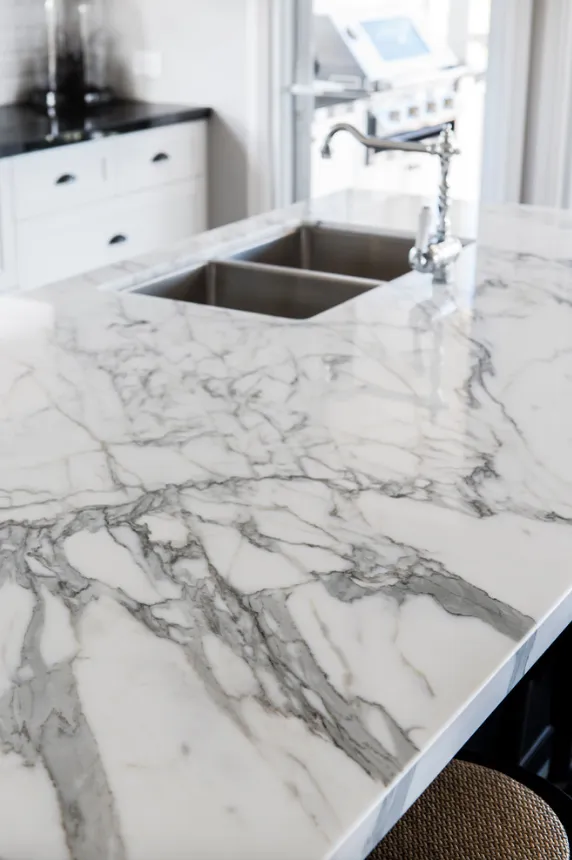
Work surfaces are the heart of any bakery kitchen. Choose materials that are durable, easy to clean, and appropriate for food preparation. Stainless steel is a popular choice for its hygiene and resilience. Granite and butcher block countertops offer a more aesthetically pleasing option, but require more maintenance. Ensure there is enough counter space for all the necessary tasks: mixing, rolling out dough, decorating, and assembling baked goods. Consider the height of your countertops. This will affect how comfortable you are while working. Consider incorporating a dedicated prep area with specific equipment, such as a stand mixer or a food processor, close at hand. The prep area will make the baking process more efficient.
Storage Solutions
Effective storage is crucial in a bakery kitchen to keep ingredients and tools organized, fresh, and readily available. Incorporate a variety of storage solutions, including cabinets, drawers, shelves, and pantries. Install ample shelving for dry goods, such as flour, sugar, and spices. Use clear, airtight containers to keep ingredients fresh and organized. Consider open shelving for frequently used items to improve accessibility. Drawers can be used to store utensils, baking tools, and smaller equipment. A pantry is ideal for bulk storage. Label everything clearly to save time. Efficient storage will contribute to a cleaner, more organized, and productive workspace.
Baking Equipment

Investing in the right baking equipment is essential for creating high-quality baked goods. The essential appliances in any bakery kitchen include an oven, a mixer, and a refrigerator. Consider the size and capacity of the equipment, depending on the scale of your business and the type of baking you do. A commercial oven is essential for high-volume baking, while a convection oven ensures even cooking. A stand mixer is necessary for mixing ingredients, and a food processor can simplify other tasks. A refrigerator helps store ingredients and prepared products. Make sure all the equipment is well-maintained and in good working condition. Consider the space available, as the layout must accommodate any equipment, such as a large mixer or a specific oven.
Adding Decorative Touches
Wall Decor and Art
Wall decor can transform the overall atmosphere. Consider adding artwork that reflects your bakery’s style and brand. This could be vintage posters, framed photographs of baked goods, or inspirational quotes about baking. If you want to give your kitchen a rustic look, install wooden shelves to display cookbooks or decorative items. Use chalkboard paint for a wall, and write the daily menu or display inspirational messages. The right wall decor can create a welcoming and pleasant atmosphere, inspiring creativity and delighting customers, and helping tie the design together.
Themed Accessories

Accessories can add character and charm to your bakery kitchen. Incorporate themed items that fit your brand, such as vintage scales, cake stands, cookie jars, or antique rolling pins. Display decorative aprons, oven mitts, and dish towels. Use glass jars and canisters to showcase colorful ingredients, such as flour, sugar, and sprinkles. Small decorative items such as ceramic measuring spoons, vintage teacups, or antique cake molds will show off your brand’s character. These accessories, along with functional items, can add personality and make your kitchen feel inviting.
Textiles and Fabrics
Textiles and fabrics add warmth and texture to the space. Choose textiles in colors and patterns that complement your overall design. Use curtains, tablecloths, and chair cushions to add visual interest. Select durable and easy-to-clean fabrics, as they will be exposed to flour, oil, and other kitchen elements. Consider using patterned dish towels or oven mitts. The right fabrics will add warmth and charm, making your kitchen feel more inviting and comfortable. If you want a more rustic look, incorporate linen fabrics or vintage-inspired patterns. Remember to select fabrics that enhance the overall aesthetic of your bakery kitchen.
Maintaining and Organizing Your Bakery Kitchen
Cleaning and Hygiene Protocols

A clean kitchen is critical for food safety and business success. Establish cleaning protocols and hygiene standards. Regularly clean work surfaces, appliances, and equipment. Wipe down counters and tables after each use. Wash all utensils and equipment thoroughly after each use. Implement a schedule for deep cleaning and sanitizing the entire kitchen. Ensure that all staff members are trained in proper hygiene practices, including hand washing and food handling. Maintain a clean and organized kitchen to prevent cross-contamination, promote food safety, and create a positive impression for customers and employees. This will ensure a safe working environment.
Efficient Storage and Organization
Effective organization will save time, improve workflow, and contribute to overall efficiency. Keep frequently used ingredients and tools within easy reach. Organize dry goods in airtight containers and label them clearly. Use drawers and shelves to store utensils and baking tools. Regularly declutter your kitchen and discard any expired ingredients or unused equipment. Designate specific areas for different tasks, such as mixing, decorating, and baking. Maintain a system for organizing ingredients, tools, and equipment. Proper organization will not only enhance efficiency but also reduce the chances of mistakes.
Maximizing Space
Maximize space by using smart storage solutions. Install shelves and cabinets that reach to the ceiling. Utilize vertical space by hanging pots and pans or installing utensil racks. Incorporate pull-out shelves in cabinets and drawers for easy access to ingredients and tools. Consider using corner storage solutions to make the most of often-underutilized space. Think of investing in modular or adjustable furniture that can be reconfigured as your needs change. Declutter regularly, and only keep essentials. Maximizing space will ensure that your kitchen is efficient and functional, especially in a smaller area.
Transforming your kitchen into an amazing bakery space requires planning, creativity, and attention to detail. By following the tips above, you can design a functional, efficient, and beautiful kitchen where you can create delightful treats. This guide provides the essential steps to help you create a space that reflects your brand, inspires creativity, and allows you to bake with joy.