Embracing the Latest Kitchen Decor Trends
The kitchen, often considered the heart of the home, is constantly evolving in terms of design and functionality. Keeping up with the latest kitchen decor trends can transform your space, making it both stylish and practical. From minimalist aesthetics to sustainable practices, the current trends reflect a blend of functionality, beauty, and environmental consciousness. These trends are more than just surface-level changes; they represent a shift towards creating kitchens that are tailored to modern lifestyles while reflecting personal tastes and values. Discover the latest ideas to refresh your cooking and dining area.
Minimalist Kitchen Design
Minimalism continues to dominate kitchen design, focusing on simplicity, functionality, and a clutter-free environment. This approach creates a serene and visually spacious kitchen. The goal is to maximize space and streamline the overall appearance, making the kitchen feel open and inviting. Clean lines, neutral color palettes, and hidden storage solutions are central to this aesthetic, allowing the kitchen to be a calming and efficient workspace. Minimalist kitchens promote a sense of order and reduce visual distractions, making them ideal for modern living.
Key Elements of Minimalist Kitchens

Key elements of minimalist kitchens include flat-panel cabinetry, sleek hardware, and integrated appliances. These features contribute to a seamless and uncluttered look. The use of neutral colors like whites, grays, and blacks, along with natural light, further enhances the sense of spaciousness. Countertops made from materials like quartz or solid surfaces add to the clean aesthetic. Functionality is a key priority, with smart storage solutions and well-organized drawers and cabinets.
Benefits of a Minimalist Kitchen
The benefits of a minimalist kitchen extend beyond aesthetics, promoting a more organized and stress-free cooking experience. With less clutter, it becomes easier to maintain cleanliness and find what you need. The simplicity of the design encourages a focus on essentials, reducing distractions and allowing for a more mindful approach to cooking and meal preparation. Minimalist kitchens are also often easier to renovate or update, as the core design elements are timeless and adaptable. Moreover, a minimalist design can increase the perceived value of your home.
The Rise of Natural Materials
There’s a growing emphasis on natural materials, bringing warmth and character to the kitchen. Wood, stone, and other organic elements are becoming increasingly popular, creating a connection to nature within the home. These materials add texture, depth, and visual interest, moving away from overly sleek and sterile designs. The trend reflects a desire for authenticity and a longing for materials that age gracefully, developing a unique patina over time. Natural materials enhance the overall comfort and appeal of the kitchen.
Wood Accents and Finishes

Wood accents and finishes are making a significant impact, with options ranging from light-colored woods like maple and birch to richer tones like walnut and oak. Wooden cabinets, open shelving, and butcher block countertops introduce warmth and texture. The use of wood also adds an element of natural beauty. Incorporating wood in the kitchen can create a balanced and inviting space, as it provides a counterpoint to cooler materials like stainless steel and stone. Wooden elements soften the overall look and create a more welcoming atmosphere.
Incorporating Stone and Earthy Textures
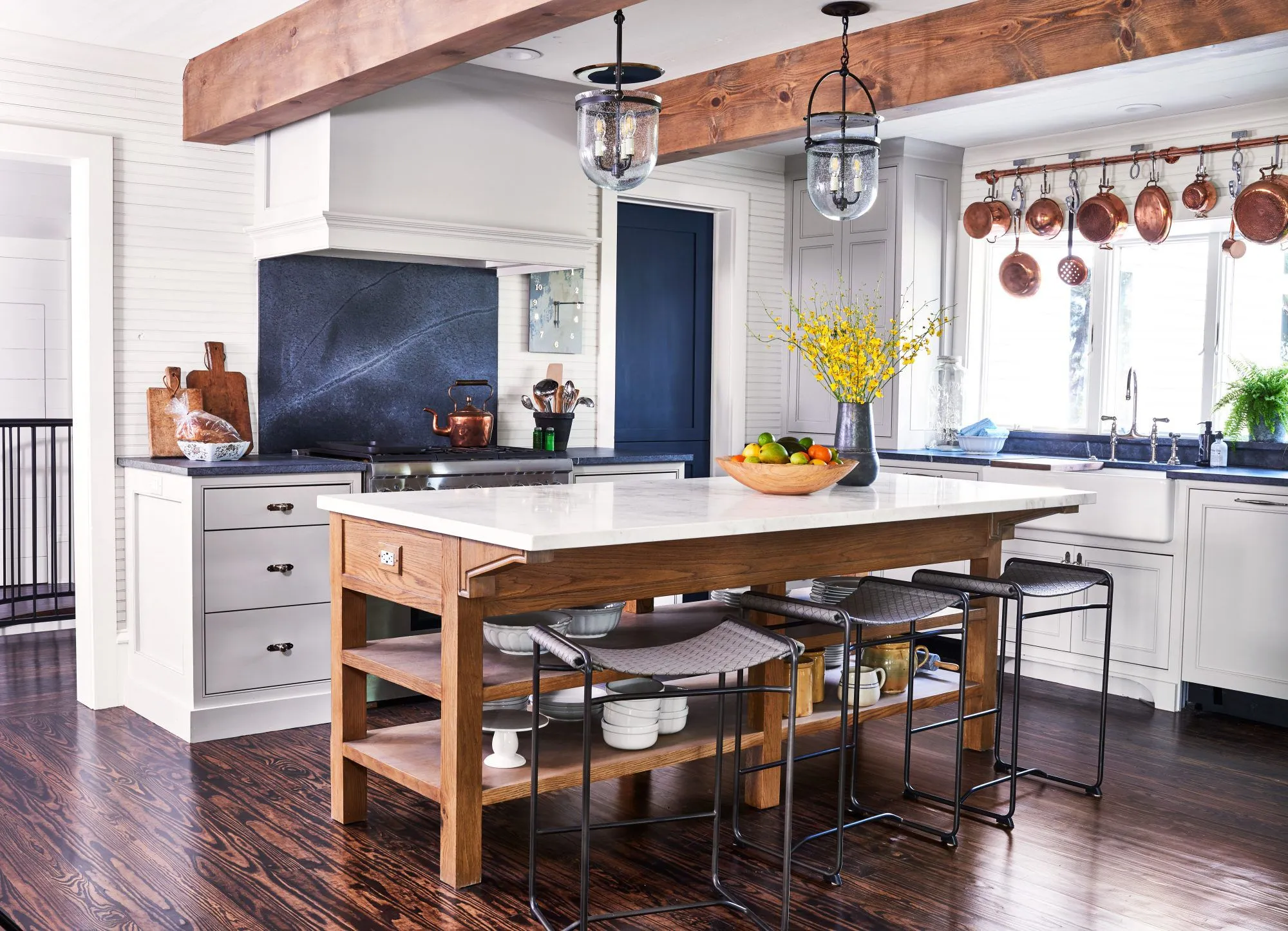
Stone and earthy textures are also highly desirable, with materials like granite, marble, and slate being used for countertops, backsplashes, and flooring. These materials provide durability and unique patterns that add visual interest. The veining and natural variations in stone create a sense of luxury and sophistication. Earthy textures can be further enhanced with the use of textured tiles, exposed brick, or concrete accents. These elements bring a sense of grounding and tactile richness to the kitchen environment. This is very well illustrated by the picture above.
Smart Kitchen Technology Integration
The integration of smart technology is revolutionizing kitchen design, offering convenience, efficiency, and enhanced control. From connected appliances to voice-activated systems, technology is making kitchens more user-friendly and adaptable to modern lifestyles. Smart kitchens combine functionality with technological innovation to create a more seamless and enjoyable culinary experience. As technology continues to evolve, these advancements are becoming integral to contemporary kitchen design.
Connected Appliances and Automation

Connected appliances such as refrigerators, ovens, and dishwashers are becoming standard features. These appliances can be controlled remotely, allowing users to preheat ovens, monitor food storage, and receive maintenance alerts via smartphones. Automation features like automatic lighting, smart faucets, and integrated entertainment systems add convenience and create a streamlined environment. These technologies enhance the functionality of the kitchen and improve the overall user experience.
Voice Control and Smart Lighting
Voice control is another key element, enabling hands-free operation of appliances and lighting. Smart speakers can be used to manage tasks like playing music, setting timers, and accessing recipes. Smart lighting systems allow users to adjust the ambiance of the kitchen with ease, with options for dimming, color changing, and automated settings. Voice control and smart lighting enhance both functionality and the overall atmosphere of the kitchen, creating a modern and adaptable space. This is another great example of how technology is influencing the latest kitchen decor.
Bold Color Palettes and Accents
While neutral colors remain popular, bolder color palettes are making a comeback, introducing personality and visual interest to kitchens. The use of vibrant colors provides a contrast to the minimalist designs, allowing homeowners to express their individual style. This trend includes a variety of color choices, from saturated hues to softer, more muted tones. Using color effectively can create a dynamic and welcoming space. Incorporating bold colors is a powerful way to update the look and feel of the kitchen.
Using Color to Define Zones

Color can be used to define different zones within the kitchen. For example, a vibrant color on the island can create a focal point, while softer tones can be used for the cabinetry and walls. This technique is particularly effective in open-plan kitchens, where different colors can visually separate the cooking, dining, and living areas. Strategic color choices enhance the functionality and visual appeal of the kitchen. The use of contrasting colors and accents provides a personalized touch.
Popular Color Combinations
Popular color combinations include pairing deep blues and greens with natural wood tones, or using contrasting colors like black and white with metallic accents. The use of jewel tones, such as emerald green or sapphire blue, adds a touch of luxury and sophistication. Another trend involves mixing warm and cool colors to achieve balance and harmony. These palettes provide inspiration for creating dynamic and visually engaging kitchens, incorporating the latest decorating trends.
Sustainable and Eco-Friendly Kitchen Decor
Sustainability is a major trend in kitchen design, with homeowners increasingly prioritizing eco-friendly materials, energy-efficient appliances, and practices that minimize waste. The goal is to create kitchens that are both beautiful and environmentally responsible. Sustainable design reflects a growing awareness of the impact of our choices and a commitment to reducing the carbon footprint of our homes. The movement encourages mindful consumption and the selection of materials that are better for both people and the planet.
Choosing Sustainable Materials

Choosing sustainable materials is central to this trend. This includes using reclaimed wood, bamboo, recycled glass, and eco-friendly countertops. Low-VOC paints, which minimize harmful emissions, are also favored. Sustainable materials are chosen for their durability, aesthetic appeal, and environmental benefits. This can encompass every element of the kitchen, from cabinets to flooring, and countertops to backsplashes. Selecting sustainable materials is a key step towards creating an eco-friendly kitchen.
Reducing Waste and Promoting Recycling
Reducing waste and promoting recycling are other important aspects. This can include using reusable storage containers, composting food scraps, and choosing appliances that are designed for energy efficiency. Smart storage solutions and organization strategies help to minimize clutter and reduce waste. Creating a kitchen that promotes sustainable practices requires a conscious effort to make environmentally friendly choices. This will also encourage a healthier lifestyle.
Open Shelving and Display
Open shelving continues to be a popular design element, offering a stylish and functional alternative to traditional upper cabinets. This design feature opens up the kitchen, making it feel more spacious and inviting. Open shelving provides easy access to frequently used items and offers an opportunity to showcase decorative objects, adding personality and charm. It is perfect for displaying cookbooks, decorative dishware, and other kitchen essentials, making the space more visually interesting.
Styling Open Shelves

Styling open shelves requires a thoughtful approach, balancing functionality with aesthetics. Mix and match items of different heights, textures, and colors. Consider grouping items by category or color for a cohesive look. Avoid overcrowding the shelves, which can make the space feel cluttered. Regular dusting and maintenance are essential to keep the shelves looking their best. With careful styling, open shelving can significantly enhance the kitchen’s overall design.
Advantages and Considerations
The advantages of open shelving include increased accessibility, a sense of openness, and the opportunity to showcase personal style. However, open shelving requires careful maintenance and organization. It is essential to keep items tidy and regularly dust the shelves. Consider the amount of storage needed and balance the open shelving with other storage solutions. The design is not suitable for all kitchens, and it’s crucial to assess whether it complements your needs and style before implementing this design feature. This picture shows a beautiful example of open shelving.
Statement Lighting Fixtures
Statement lighting fixtures are another way to elevate the kitchen’s design, adding a focal point and enhancing the overall ambiance. These fixtures are selected for their style and impact, transforming the kitchen from a functional space into a visually captivating area. From striking pendant lights to unique chandeliers, the right lighting fixtures can significantly enhance the design of any kitchen. They add both functionality and aesthetic appeal, contributing to a stylish and inviting atmosphere.
Types of Statement Lighting

A variety of statement lighting options are available, including pendant lights, chandeliers, and sconces. Pendant lights are a popular choice, offering a versatile solution for kitchen islands and dining areas. Chandeliers can add a touch of glamour and elegance, while sconces provide accent lighting and enhance the overall design. The choice of lighting should complement the overall style of the kitchen and provide adequate illumination for both functionality and aesthetics.
Placement and Impact
The placement of statement lighting is critical to its impact. Consider the height, size, and style of the fixture in relation to the kitchen layout and design. Over the kitchen island, pendant lights can provide task lighting while acting as a visual focal point. In the dining area, a chandelier can create an elegant atmosphere. The proper placement of statement lighting can enhance both the functionality and the overall aesthetic of the kitchen. It should complement the kitchen’s design while providing appropriate illumination.
Incorporating Plants and Greenery
Incorporating plants and greenery is a simple yet effective way to bring life and freshness to your kitchen. Plants add color, texture, and a touch of nature, creating a more welcoming and vibrant space. They also have the added benefit of purifying the air, improving the overall atmosphere. From small herbs to larger potted plants, adding greenery can easily transform your kitchen into a more inviting environment. This decorating tip complements almost any design style and adds a natural touch.
Best Plants for Kitchens
Some of the best plants for kitchens include herbs like basil, mint, and rosemary, which provide fresh ingredients for cooking. Other great options are low-light plants like snake plants, pothos, and spider plants, which thrive even in less sunny conditions. Consider the available space and light conditions when choosing plants. Plants can be placed on windowsills, open shelves, or countertops, adding both beauty and function to your kitchen. Indoor plants are a welcome addition to any decor.
Placement and Care Tips
Placement and care tips are essential for maintaining healthy plants. Place plants in areas with adequate light, ensuring they are not exposed to extreme temperatures. Water plants regularly, according to their specific needs, and provide appropriate fertilization. Choose pots and planters that complement your kitchen decor. Regular pruning and maintenance will keep the plants looking their best and add to the overall beauty of your kitchen space. Careful maintenance will help the plants flourish.