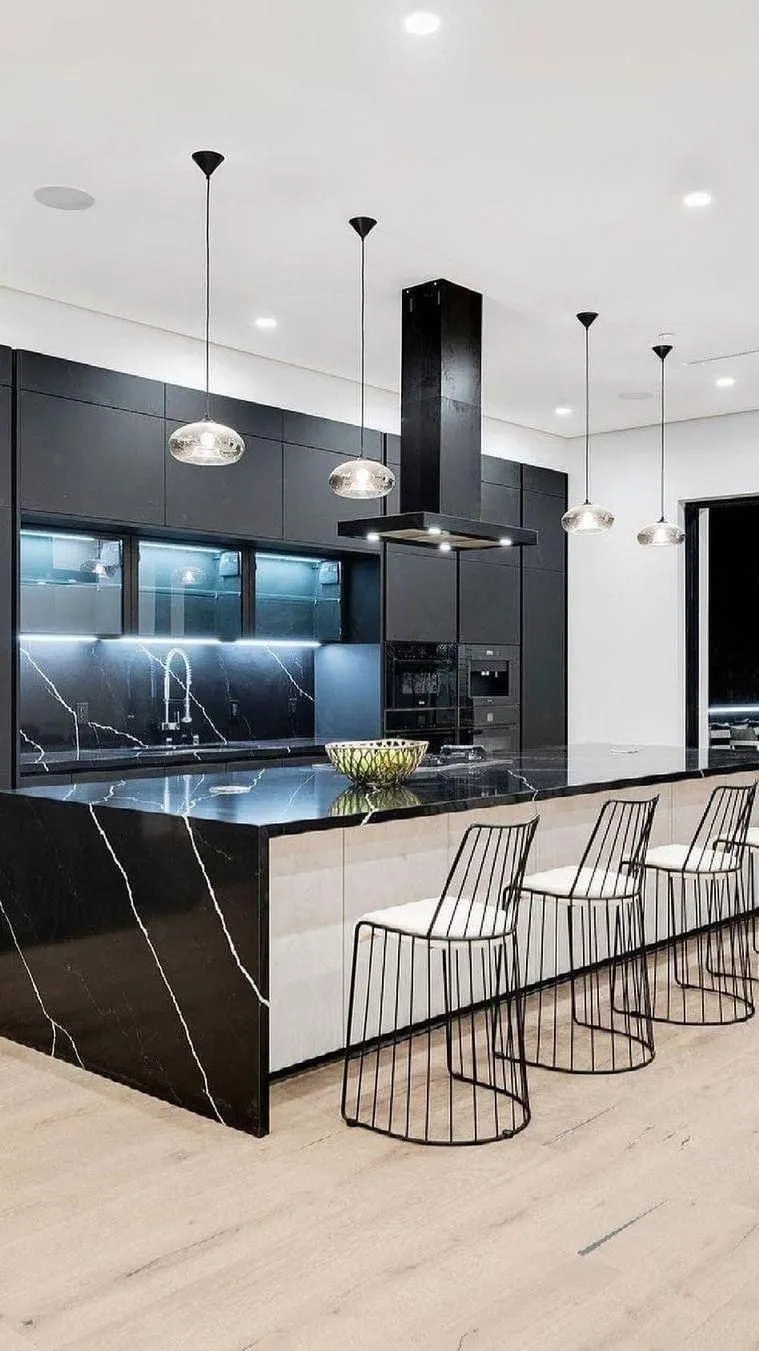
Embracing Minimalism in Modern Kitchens
Modern kitchen design is often synonymous with minimalism. The core principle involves creating a space that is uncluttered, functional, and aesthetically pleasing. This means focusing on clean lines, simple forms, and avoiding unnecessary ornamentation. Minimalism doesn’t mean a lack of personality, but rather a careful selection of essential elements that contribute to a cohesive and stylish environment. By embracing minimalism, you can create a kitchen that feels spacious, calming, and efficient, making it a joy to cook and spend time in. The key is to prioritize what you need and to find elegant ways to store everything else out of sight, contributing to a sense of tranquility and order. This approach maximizes both space and visual appeal.
Decluttering Your Kitchen for a Modern Look
Before embarking on any major design changes, decluttering is paramount. A cluttered kitchen, regardless of its decor, will always feel less modern. Start by removing items you don’t use regularly, outdated appliances, and excess gadgets. Consider donating or discarding anything that doesn’t contribute to your kitchen’s functionality or aesthetic. This process is not just about tidying up; it’s about making conscious choices about what you keep. It’s an opportunity to assess what truly matters and to refine your kitchen’s purpose. By minimizing the visual distractions, you create a foundation for a more streamlined and contemporary look. A well-decluttered kitchen is the first step toward achieving the sleek and modern atmosphere you desire.
Smart Storage Solutions

Implementing smart storage solutions is crucial for maintaining a minimalist and modern kitchen. Utilize drawers with dividers, pull-out shelves, and pantry organizers to maximize space and keep items within easy reach. Wall-mounted cabinets that extend to the ceiling can provide additional storage without sacrificing floor space. Consider incorporating hidden storage options, such as built-in spice racks or concealed appliance garages. Proper organization helps to minimize visual clutter, ensuring that your kitchen remains tidy and efficient. Well-designed storage also contributes to a sense of order and makes it easier to find what you need when you need it, enhancing the overall functionality of your space.
Hidden Appliances
One of the hallmarks of a modern kitchen is the integration of appliances. Consider concealing your refrigerator, dishwasher, and microwave behind cabinet panels to create a seamless and streamlined look. This design choice eliminates visual clutter, providing a cleaner and more sophisticated aesthetic. Built-in appliances contribute to a sense of spaciousness and make the kitchen appear less busy. For smaller kitchens, this strategy can be especially effective, as it maximizes the available space. This approach aligns perfectly with the minimalist philosophy, where the focus is on simplicity and functionality, resulting in a modern and elegant design.
The Power of Neutral Colors
Neutral color palettes form the foundation of many modern kitchen designs. Whites, grays, beiges, and other soft, muted tones create a sense of calm and spaciousness. These colors reflect light, making the kitchen feel brighter and more open. Neutral backdrops also provide versatility, allowing you to easily change the look of your kitchen with accent colors and accessories. They serve as a timeless choice, providing a clean canvas for your design choices. By using neutral colors, you can create a sophisticated and inviting kitchen that is both stylish and functional, setting the stage for a modern and elegant space.
Selecting the Right Color Palette

When selecting your neutral color palette, consider the natural light available in your kitchen. Lighter shades will brighten a space with limited light, while slightly darker tones can add warmth to kitchens with ample sunlight. Ensure that the colors flow throughout the space. Use a variety of textures and finishes to add depth and visual interest, even within a neutral palette. Experiment with matte and gloss finishes, or incorporate different materials like wood and stone to prevent the space from feeling flat. This approach ensures a cohesive and stylish design, even while sticking to the simplicity of neutral tones, creating a modern, yet comfortable, environment.
Accent Colors to Elevate Your Design
While neutral colors set the stage, accent colors can add personality and vibrancy to your modern kitchen. Choose a few bold colors, such as navy blue, emerald green, or burnt orange, to use sparingly throughout the space. These pops of color can be introduced through accessories, artwork, or even small appliances. It’s important to choose colors that complement your neutral base and maintain a sense of balance. Accent colors can be integrated through kitchen towels, dishware, or even the hardware on your cabinets, introducing visual interest without overwhelming the design. Used strategically, these colors can elevate the overall aesthetic and reflect your personal style, making the kitchen unique.
Incorporating Natural Elements
Integrating natural elements can add warmth and texture to the sleek lines of a modern kitchen. Wood, stone, and plants help to soften the space and create a more inviting atmosphere. Natural materials bring a sense of the outdoors, making the kitchen feel connected to nature. These elements can also enhance the tactile experience, adding depth and visual interest to the design. The incorporation of natural elements creates a balanced and sophisticated kitchen, combining the best of both worlds – the modern aesthetic and the warmth and comfort of the natural world.
Wooden Accents

Wood adds warmth and character to a modern kitchen. Incorporate wooden elements through cabinets, countertops, or even open shelving. The natural grain and texture of wood provide a beautiful contrast to the clean lines of modern design. Choose wood with a warm tone to create a welcoming atmosphere. Alternatively, opt for lighter woods to maintain a bright and airy feel. Wood elements not only provide visual interest but also add a touch of organic elegance. Carefully selecting and incorporating wood is crucial for achieving the right balance between modern and inviting in your kitchen.
Indoor Plants
Adding indoor plants is an easy way to introduce natural elements and a touch of life into your kitchen. Plants purify the air and bring a sense of freshness to the space. Choose low-maintenance plants like succulents or herbs that thrive in a kitchen environment. Place plants on countertops, shelves, or windowsills to add a vibrant touch to your décor. Consider using decorative pots to complement your kitchen’s aesthetic. Plants not only enhance the beauty of your kitchen but also provide a calming and refreshing environment, creating a welcoming atmosphere.
Lighting Design for Modern Kitchens
Lighting is a critical component of any modern kitchen design. Layered lighting, including ambient, task, and accent lighting, creates a well-lit and functional space. Proper lighting enhances the overall aesthetic and highlights key design features. Consider incorporating energy-efficient LED lighting for both functionality and sustainability. The right lighting scheme ensures that the kitchen is both beautiful and practical, providing the necessary illumination for cooking, eating, and socializing. A well-designed lighting plan can significantly impact the ambiance and usability of your modern kitchen.
Layered Lighting

Layered lighting involves combining different types of lights to achieve a balanced and functional illumination. Ambient lighting, such as recessed lights or a flush-mount fixture, provides overall illumination. Task lighting, like under-cabinet lights or pendant lights over an island, focuses on specific work areas. Accent lighting, such as track lights or spotlights, highlights architectural features or decorative elements. By layering different types of lighting, you can create a flexible and adaptable lighting scheme that enhances both the functionality and the ambiance of your kitchen, adding depth and interest.
Statement Pendants
Statement pendant lights can add a touch of style and personality to a modern kitchen. Choose pendant lights with a unique design or finish to make a bold statement. Consider hanging pendant lights over an island or dining area to create a focal point. The use of pendant lights not only provides task lighting but also enhances the overall aesthetic. When selecting pendants, consider the size and style in relation to the kitchen’s design. Using statement pendants helps to create a personalized and visually appealing kitchen design, making it a standout feature.
Choosing Modern Appliances
Appliances play a significant role in the functionality and aesthetic of a modern kitchen. Stainless steel appliances are a classic choice that complements a variety of design styles. However, the range of modern appliances extends far beyond stainless steel. Consider other options like black stainless steel, panel-ready appliances, or appliances with sleek, integrated designs. Prioritize energy-efficient models to save on utility bills and reduce your environmental impact. When selecting appliances, consider their design, functionality, and how they integrate with your kitchen’s overall style. The right appliances will enhance the cooking experience, adding both style and efficiency to your kitchen.
Stainless Steel and Beyond

While stainless steel remains a popular choice, explore other materials and finishes for your appliances. Black stainless steel offers a contemporary look with a matte finish that resists fingerprints. Panel-ready appliances can be concealed behind cabinet panels, creating a seamless and integrated design. Consider the overall design aesthetic of your kitchen when selecting appliances. Ensure that the finishes and styles complement each other and contribute to the cohesive modern look you’re aiming for. Exploring beyond stainless steel gives you more options to personalize the space.
Energy Efficiency
Choosing energy-efficient appliances is not only environmentally responsible but also cost-effective. Look for appliances with an Energy Star rating. These appliances use less energy and can help to lower your utility bills. Consider the long-term benefits of energy-efficient appliances, including their contribution to a sustainable lifestyle. When purchasing appliances, assess their energy consumption ratings and the features that promote energy efficiency. Prioritizing energy-efficient appliances demonstrates a commitment to both a modern lifestyle and environmental sustainability, making a positive impact.
The Importance of Backsplashes
Backsplashes are an essential design element in modern kitchens. They protect the walls from spills and stains while adding visual interest and personality to the space. The choice of a backsplash material significantly impacts the overall aesthetic of the kitchen. Consider the color, texture, and pattern when selecting a backsplash. A well-designed backsplash can tie the entire kitchen design together, creating a cohesive and stylish look. The right backsplash will not only enhance the beauty of your kitchen but also make it more functional and easier to clean.
Tile Options

Tile is a popular choice for backsplashes due to its durability, versatility, and aesthetic appeal. Choose from a wide range of tile options, including ceramic, porcelain, glass, and natural stone. Consider the size, shape, and pattern of the tiles to complement your kitchen’s design. Subway tiles are a timeless choice, while geometric tiles and mosaics can add a modern touch. Select tile that matches your kitchen’s color palette and enhances the overall look. Tile is available in a wide array of finishes and styles. Proper tile selection ensures a functional and beautiful backsplash.
Unique Materials
Explore unique materials for your backsplash to create a statement. Consider using slabs of marble or granite for a luxurious and elegant look. Stainless steel backsplashes offer a sleek and modern aesthetic, while glass can add brightness and a touch of sophistication. Consider the durability, maintenance requirements, and overall look of the material when making your selection. The use of unique materials can transform a backsplash from a functional element into a design feature. Selecting unique backsplash materials enables the kitchen’s individuality.
Adding Metallic Finishes
Adding metallic finishes can elevate the style of your modern kitchen. Metals such as gold, copper, and stainless steel can be incorporated through hardware, fixtures, and accessories. Metallic accents provide a touch of luxury and add visual interest. The right metallic finishes can create a sophisticated and contemporary look. The strategic use of metallic accents will enhance the style of your kitchen, contributing to a high-end feel.
Gold and Copper Accents
Gold and copper finishes add warmth and elegance to a modern kitchen. Incorporate these metals through cabinet hardware, faucets, and pendant lights. Consider using gold or copper accessories, such as vases or bowls, to complement the overall design. When using gold or copper, do so in moderation to create a balanced and stylish look. These metallic accents can transform a functional space into a visually appealing area. Properly incorporating gold and copper accents adds luxury to your kitchen design.
Hardware and Fixtures
Hardware and fixtures are essential elements for adding metallic finishes. Choose cabinet hardware in gold, copper, or stainless steel to complement your kitchen’s style. Select faucets and other fixtures that match your hardware, creating a cohesive look. These details can transform the entire aesthetic. When selecting hardware and fixtures, consider the overall design of the kitchen. This will enhance the overall style, adding both functionality and flair. The strategic selection of hardware and fixtures significantly impacts the kitchen design.
Flooring Choices for Modern Kitchens
Flooring plays a significant role in the overall look and feel of a modern kitchen. The choice of flooring can impact the space’s visual appeal, functionality, and durability. Consider the material, style, and color when selecting flooring for your kitchen. The right flooring can complement your kitchen’s design, creating a cohesive and stylish look. Choosing the right flooring is crucial for creating a stylish and functional kitchen.
Hardwood and Alternatives
Hardwood flooring adds warmth and elegance to a modern kitchen, providing a timeless appeal. However, consider alternatives such as engineered hardwood or luxury vinyl plank (LVP) for enhanced durability and water resistance. LVP can mimic the look of hardwood, offering a budget-friendly and low-maintenance option. Ensure that the flooring is suitable for kitchen environments. The appropriate flooring enhances the aesthetics of the kitchen. Selecting the right flooring material balances style and practicality, contributing to a well-designed space.
Easy-to-Clean Options
In a kitchen, easy-to-clean flooring is essential for convenience. Consider materials like porcelain tile, which is durable, waterproof, and simple to maintain. Luxury vinyl tile (LVT) is another excellent option, providing water resistance and easy cleaning. When choosing flooring, consider maintenance requirements and your lifestyle. Selecting flooring materials that are easy to clean ensures a tidy and hygienic kitchen environment. Prioritizing easy-to-clean options simplifies kitchen maintenance.