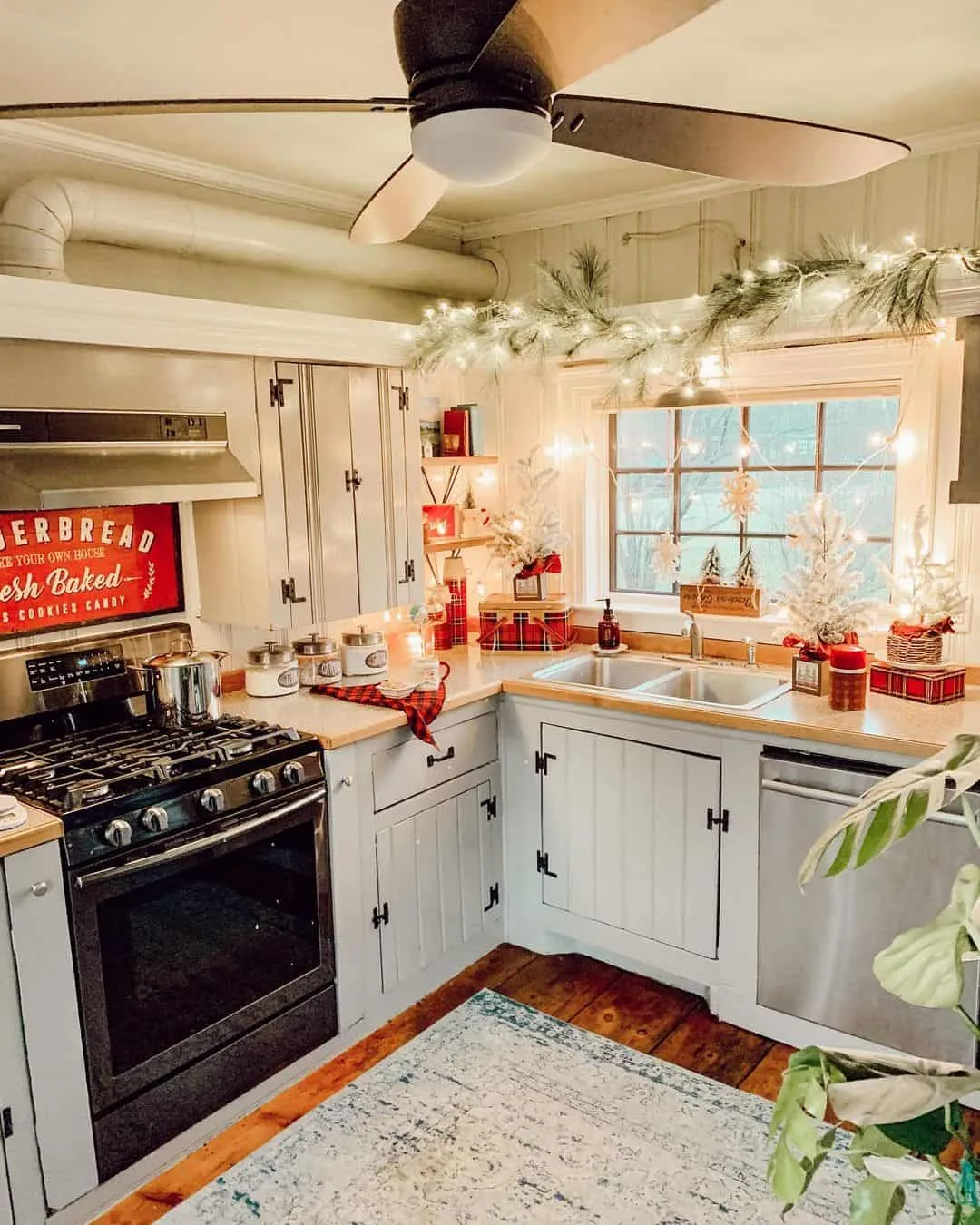
Choosing the Right Rustic Red Kitchen Color
Embarking on the journey of designing a rustic red kitchen is an exciting endeavor. The choice of the right color scheme is paramount, setting the tone for the entire space. Rustic red, in its various shades, evokes warmth, comfort, and a sense of history. However, selecting the perfect color requires careful consideration of several factors. This guide will help you navigate the diverse world of rustic red kitchen decor colors, ensuring your kitchen becomes a welcoming haven.
Understanding Rustic Red
Rustic red isn’t just a single shade; it encompasses a spectrum of hues, from deep, earthy tones to brighter, more vibrant ones. The key to a successful rustic red kitchen is understanding these variations. Think about the undertones – are they warm, with hints of orange and brown, or cooler, with a touch of blue or purple? The undertones influence the overall feel of the space. Consider the natural light in your kitchen. North-facing kitchens benefit from warmer reds, while south-facing kitchens can handle cooler tones. The texture of the paint also plays a role. Matte finishes create a more subdued, rustic feel, while glossier finishes reflect more light, making the space appear brighter and more modern.
The Allure of Red in Kitchens

Red has a long history in kitchen design, often associated with warmth, energy, and hospitality. In a rustic kitchen, red complements natural materials like wood, stone, and exposed brick, creating a sense of depth and character. It can be used on walls, cabinetry, or as an accent color. The key is to use red strategically, creating visual interest without overwhelming the space. Incorporating red can enhance the social aspect of the kitchen, making it a more inviting space for cooking, dining, and gathering. The color encourages appetite and conversation, therefore, creating a lively and enjoyable environment.
Top 7 Red Kitchen Color Schemes
Selecting the right combination of colors is critical to achieving the desired aesthetic for your rustic red kitchen. Here are seven color schemes that work well with rustic red, along with the benefits of each:
Rustic Red and Cream
The combination of rustic red and cream is a classic. Cream, with its soft, off-white hue, provides a calming contrast to the boldness of red. This scheme creates a warm and inviting atmosphere, perfect for a farmhouse-style kitchen. Cream helps to balance the intensity of the red, preventing the space from feeling overwhelming. Use cream on walls and cabinetry, and incorporate red through accent pieces like curtains, dish towels, or decorative items. The result is a balanced and welcoming space, visually soothing and comfortable.
Achieving Balance with Cream

To successfully execute this scheme, consider using cream as the primary color, particularly for walls and larger surfaces. This will help to soften the intensity of the red. Introduce the red through smaller elements such as kitchen island accents, painted chairs, or decorative accessories. This approach allows you to enjoy the warmth of red without overwhelming the space. Creamy tones can be easily found in many paint stores, allowing for a subtle and natural look.
Rustic Red and Gray
Gray, with its neutral and sophisticated nature, provides a modern contrast to the warmth of rustic red. A gray and red kitchen blends the rustic appeal with contemporary design. Gray can vary from light to dark, allowing for a wide range of possibilities. Lighter grays create a brighter, more open feel, while darker grays add a touch of drama. This combination is a great choice for those who want a rustic kitchen with a touch of modern flair. The key is to find a gray that complements the specific shade of red you have chosen. The gray adds a sense of sophistication and calmness that contrasts the red’s intensity, creating a balanced, visually engaging space.
Understanding the Role of Gray
Gray acts as a grounding element, preventing the red from becoming overwhelming. Use it on walls, cabinetry, or countertops to create a cohesive look. Incorporate red through accents like a backsplash, kitchen island, or small appliances. This approach ensures that the space feels balanced and inviting. Consider adding metallic accents, such as stainless steel appliances or silver hardware, to enhance the modern feel of the gray and red combination. Experiment with different shades of gray to achieve the desired effect, from light, airy spaces to dramatic, moody kitchens.
Rustic Red and White

This is a classic and timeless combination. White brightens the space and makes it feel larger. This works well in kitchens that may lack natural light. White creates a crisp, clean backdrop for the warmth of red, making the space feel fresh and inviting. This is an excellent choice for achieving a farmhouse or cottage-style aesthetic. Use white on walls, cabinetry, or both, and incorporate red through accent pieces, such as a painted island, accessories, or textiles. The result is a bright, cheerful kitchen that feels open and welcoming, perfect for those who love a clean, fresh design.
The Timeless Appeal of White
White provides a versatile base for decorating. Use white as a backdrop, then add red elements such as curtains, dish towels, or decorative items. This allows for flexibility in your design, enabling you to change the look of your kitchen as desired. Consider incorporating textures like wooden beams or a brick backsplash to add to the rustic appeal. You can play with shades of white, from bright white to off-white, which can add depth to the space, without overpowering the red. Combining red with white offers a timeless and clean appeal.
Rustic Red and Beige
Beige offers a warm and inviting alternative to white and creates a subtle contrast to rustic red. The combination creates a soft, earthy feel, perfect for a cozy, traditional kitchen. Beige complements the warmth of red, creating a cohesive, inviting space. This pairing is ideal for creating a space that feels both relaxing and stylish. Use beige on walls and incorporate red through accents, such as a backsplash, curtains, or decorative accessories. The result is a kitchen that feels warm, inviting, and comfortable.
Warmth and Neutrality with Beige

Beige can create an inviting and neutral space. To enhance the effect, consider using different textures and shades of beige. This can add depth and interest to the room. Incorporate the red in strategic areas, such as a kitchen island, painted cabinets, or accessories. This combination is great for those who love a warm, inviting aesthetic. Beige creates a soothing atmosphere, making it a great choice for those who want their kitchen to be a relaxing space.
Rustic Red and Green
This combination brings nature indoors. Green adds a sense of freshness and vitality to the warm tones of red. Earthy greens, such as sage or olive, work exceptionally well with rustic red. These colors create a harmonious balance, making the space feel grounded and connected to nature. Use green on cabinetry, or accent walls, and incorporate red through decorative items or textiles. The result is a kitchen that feels refreshing, balanced, and in touch with the outdoors, making it perfect for those who appreciate natural elements.
Bringing Nature Inside with Green
To further enhance the natural theme, consider incorporating wood tones and natural textures. You can use wooden countertops or accents, to help enhance the harmony of the space. Adding plants can enhance the effect, promoting a feeling of vitality and freshness. This combination promotes a space that feels both calming and stylish, perfect for those who love a connection with nature. Consider using natural materials such as stone or wood, to enhance the rustic charm.
Rustic Red and Black

This bold combination offers a dramatic and sophisticated look. Black provides a strong contrast to the warmth of red. It is an excellent choice for those who want a kitchen that makes a statement. This color scheme creates a high-contrast, visually stunning space, ideal for those who appreciate a touch of drama. Black adds sophistication and depth, while red brings warmth and energy. Combining these colors requires a careful balance, ensuring that one color doesn’t overpower the other. Use black strategically, perhaps on cabinetry or countertops, and incorporate red through accent pieces, such as a backsplash or kitchen island.
The Bold Combination with Black
To successfully execute this scheme, balance is key. Use black in moderation, as a primary color. Incorporate red through accessories like dish towels, or decorative items. This helps to avoid the space becoming overly dark. To lighten the room, consider adding stainless steel appliances or white elements, to balance the darkness of the black. With careful planning, you can create a kitchen that is both striking and stylish. This pairing is perfect for those who appreciate dramatic and modern designs.
Rustic Red and Wood Tones
This combination creates a natural and harmonious aesthetic. The warmth of wood complements the rustic charm of red, resulting in a cozy and inviting space. It is a great choice for those who want to embrace a true rustic style. The combination creates a sense of warmth and comfort, making the kitchen a welcoming space. Use wood tones on cabinetry, floors, or countertops, and incorporate red through accent pieces. The result is a kitchen that feels grounded, warm, and authentic, ideal for those who appreciate natural materials and timeless design. This design celebrates natural materials.
Natural Harmony with Wood Tones

To enhance the effect, consider different shades of wood. You can choose from light to dark, to enhance the design. You can use red as an accent, incorporated through accessories. This combination will create a harmonious and balanced space. The use of wood tones creates a strong connection to nature. It promotes a sense of comfort and relaxation. Combining rustic red and wood tones is a timeless choice for creating a warm and inviting rustic kitchen.
Factors to Consider When Choosing a Color Scheme
Selecting the right color scheme goes beyond personal preference. There are several factors to consider, ensuring that your choices are not only visually appealing but also practical and functional. It will ensure that the colors work in harmony with the other elements of your kitchen.
Kitchen Size and Lighting
The size of your kitchen and the amount of natural and artificial lighting will significantly influence the color choices. Darker colors can make a small kitchen feel cramped, while lighter colors can make it appear larger and brighter. In a kitchen with limited natural light, consider lighter shades of red, combined with bright white or cream, to maximize the available light. In larger kitchens with plenty of natural light, you have more flexibility, and darker shades of red can work beautifully, creating a cozy and intimate atmosphere. The play between light and color can transform the entire feel of the room.
Personal Preferences and Style
Ultimately, the color scheme should reflect your personal style and preferences. Consider the overall aesthetic you want to achieve. Do you want a classic, modern, or farmhouse-style kitchen? Your preferences regarding color combinations, contrast, and overall feel will guide your decisions. Take inspiration from magazines, websites, or design books. Create a mood board to visualize different color schemes and see how they interact with each other. Remember, it is your kitchen. The most important thing is that you create a space that you love and enjoy spending time in.
Where to Start with Red Kitchen Decor
Starting a red kitchen decor project requires careful planning and execution. Begin by gathering inspiration. Collect images of kitchens that appeal to you, focusing on color schemes, styles, and details. The inspiration will help to refine your vision. Before committing to paint colors, test them in your kitchen. Paint swatches on your walls and observe them throughout the day. Note how they appear under different lighting conditions. This helps you avoid any unwelcome surprises. Consider starting with an accent wall, or some smaller changes, such as accessories. This approach allows you to experiment with the color scheme without undertaking a major renovation.
Accent Walls and Color Swatches
An accent wall is a great place to start experimenting with a new color. This will change the whole feel of your kitchen. Start by painting a single wall in a bold red hue. Then, see how you feel about it, and consider the other elements of the room. Using color swatches can give you a good idea of what colors look like. Try placing them next to your existing cabinetry or appliances. This helps you visualize how the color will look, and how it works with other components. A kitchen can be transformed through careful planning. Start small, then make your adjustments. You will have a rustic kitchen that you will absolutely love.
Conclusion
Designing a rustic red kitchen is an exciting journey, allowing you to create a space that is warm, inviting, and full of character. By carefully considering the various color schemes, you can select a palette that reflects your style and enhances the overall feel of your kitchen. Whether you opt for the classic charm of red and cream, the modern edge of red and gray, or the natural harmony of red and wood tones, the possibilities are endless. Embrace the warmth of red, and create a rustic kitchen that becomes the heart of your home. Remember to consider the lighting, size, and your personal preferences, and you’ll be well on your way to designing a rustic red kitchen that you’ll love for years to come.