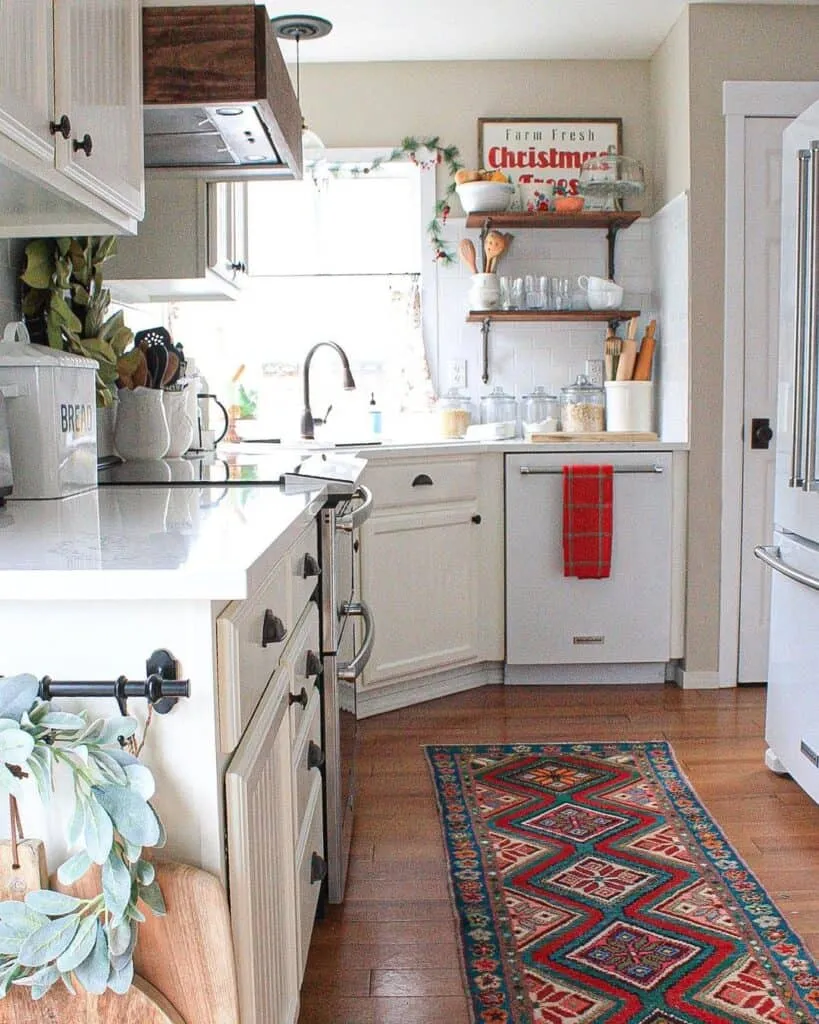
Embracing Rustic Red Kitchen Decor
Rustic red kitchen decor style creates a warm, inviting, and timeless ambiance that resonates with many homeowners. This design aesthetic blends the raw, natural beauty of rustic elements with the bold, passionate energy of the color red. The result is a kitchen space that feels both cozy and vibrant, a perfect setting for cooking, dining, and gathering. Achieving this look involves carefully selecting materials, colors, and accents that reflect the charm of the countryside while incorporating the modern conveniences of a contemporary kitchen. The goal is to create a space that feels lived-in, comfortable, and full of personality, making it the heart of the home.
The Allure of Rustic Charm in Kitchens
Rustic charm in kitchens is about embracing imperfection and natural beauty. It’s a style that celebrates the character of materials like wood, stone, and metal, often showcasing their unique textures and imperfections. This style evokes a sense of history and tradition, making a kitchen feel more grounded and connected to nature. The rustic aesthetic focuses on creating a warm and welcoming atmosphere, where family and friends can gather and feel at ease. Features like exposed beams, reclaimed wood, and handcrafted details all contribute to this inviting ambiance. The use of natural materials also promotes sustainability and a connection to the environment, which is increasingly important to many homeowners.
Why Choose Rustic Red?

Red, in the context of a rustic kitchen, offers a bold contrast to the natural elements typically associated with the style. It adds a layer of personality and warmth that can transform a space. Red is a color known for its energy and vibrancy, capable of stimulating appetite and creating a sense of excitement. When paired with rustic elements, red prevents the space from feeling too subdued, adding a touch of modernity and flair. The color can be used in various ways, from cabinetry and backsplashes to accessories and textiles, each application contributing a unique dimension to the overall design. Whether it’s a deep, earthy red or a brighter hue, the color can elevate the kitchen’s visual appeal and make it a focal point within the home.
Color Psychology in Kitchen Design
Understanding the psychology of color is crucial in kitchen design, as colors greatly influence the mood and functionality of the space. Red, in particular, is often associated with energy, passion, and excitement. It can stimulate appetite, making it an excellent choice for dining areas. However, it’s important to use red strategically, as too much can be overwhelming. Pairing red with neutral tones like cream, beige, or wood tones can create a balanced and inviting atmosphere. Consider the natural light in the kitchen and the overall aesthetic you want to achieve when selecting a shade of red. The aim is to create a space that feels both welcoming and stimulating, encouraging interaction and enjoyment.
Red’s Impact on Appetite and Energy
Red is often used in the culinary industry because it is known to stimulate appetite. Studies suggest that red can increase heart rate and stimulate the production of adrenaline, enhancing the experience of eating. This is why you will often see red in the decor of restaurants, especially those designed for fast food. In a kitchen, red can also create a sense of energy and activity. It can make the space feel more alive and inviting. However, it’s important to balance red with other colors to prevent the space from feeling too intense. Combining red with neutral colors and natural materials can create a harmonious and inviting atmosphere for cooking and dining. This balance helps in preventing feelings of overstimulation and maintains a comfortable and pleasant environment.
Key Elements of Rustic Red Kitchen Decor

Incorporating rustic red into your kitchen involves a blend of design choices, combining the warmth of red with the charm of rustic elements. Start with the foundation, focusing on cabinetry, countertops, and backsplashes, and then layer in accessories, textiles, and lighting to complete the look. Materials like reclaimed wood, distressed finishes, and natural stone can enhance the rustic feel. The choice of red should complement the existing elements, creating a cohesive and inviting space. Pay attention to texture, contrast, and balance to achieve the desired effect. The result should be a kitchen that feels both stylish and comfortable, a space where you can enjoy cooking, eating, and spending time with loved ones.
Rustic Red Kitchen Cabinetry
Cabinetry is a major component of kitchen design, offering an excellent opportunity to introduce red. Consider painting the cabinets a rich, deep red or a softer, muted shade, depending on the overall ambiance you desire. Distressed finishes can add to the rustic charm, making the cabinets look aged and worn. Alternatively, you could opt for open shelving, which provides a more casual and airy feel, allowing you to display your favorite kitchenware. When selecting the type of cabinetry, think about the style, functionality, and how well it complements other elements. Combining red cabinets with natural wood accents or contrasting hardware can create a balanced and visually appealing look. Red kitchen cabinetry can make a bold statement.
Choosing the Right Red Paint
Choosing the right shade of red is critical. Consider the amount of natural light in your kitchen. In a room with ample sunlight, you can experiment with bolder reds. For kitchens with less natural light, consider a softer, warmer red to avoid making the space feel too dark. Test paint samples on your cabinets before committing to a particular color. This helps you see how the color looks throughout the day and under different lighting conditions. Think about the undertones of the red as well. Some reds have warm undertones (orange or yellow), while others have cool undertones (blue). The undertones can greatly influence the feel of the space. Select a red that complements other colors in your kitchen, such as the countertops and backsplashes, to create a cohesive design.
Cabinet Styles and Finishes

The cabinet style and finish greatly affect the overall aesthetic of the kitchen. Traditional cabinet styles, such as shaker or raised panel, often pair well with rustic decor. They add to the classic, timeless look. Consider finishes like a matte or satin paint to give the cabinets a softer, more inviting appearance. Distressed finishes, which create the illusion of age and wear, are perfect for enhancing the rustic theme. You can achieve this look by lightly sanding the edges of the cabinets and adding a glaze. Open shelving is another option, providing a more casual and functional design. Using different cabinet styles and finishes can add depth and interest to the kitchen and enhance the rustic red kitchen decor.
Rustic Red Kitchen Countertops
Countertops are an integral part of the kitchen’s functionality and aesthetic, and their selection should complement the other elements of the design. For a rustic red kitchen, choose materials that offer durability and enhance the natural charm. Granite countertops, with their unique veining and patterns, bring a sense of organic beauty and sophistication. Soapstone, with its soft, velvety texture and natural color variations, adds warmth and character. Butcher block countertops, made of solid wood, offer a warm, welcoming feel. Consider how these materials pair with the red cabinetry and backsplashes. The goal is to create a harmonious balance between functionality, style, and the rustic aesthetic.
Material Choices and Durability
Selecting the right material for your countertop involves considering durability, maintenance, and aesthetic appeal. Granite is highly durable and resistant to heat and scratches, making it ideal for busy kitchens. Soapstone is also heat-resistant, but it requires regular oiling to maintain its appearance. Butcher block countertops are warm and visually appealing, but they require more maintenance and are susceptible to water damage. When choosing, consider your lifestyle and the level of maintenance you’re comfortable with. The material should not only enhance the rustic look but also be able to withstand daily use. Consider the overall quality of the countertop and its longevity.
Countertop Color Coordination

Coordinating your countertop color with the red cabinetry is crucial for creating a harmonious design. If you have bold red cabinets, consider neutral countertop colors like cream, beige, or even a light gray to provide contrast and prevent the space from feeling overwhelming. If your cabinets are a softer shade of red, you can experiment with countertops that have warmer undertones or natural wood finishes to enhance the rustic vibe. Consider the lighting and how the countertop color appears under various conditions. A well-coordinated countertop can tie the entire kitchen design together, enhancing the overall aesthetic and making the space more inviting and enjoyable.
Rustic Red Kitchen Backsplashes
The backsplash in a rustic red kitchen can become a focal point, adding texture, color, and personality. Backsplashes should blend aesthetics with functionality, protecting your walls while enhancing the overall design. Tile, stone, and other materials offer a variety of options to create a striking look. The choice of material should consider the style of the kitchen, the color scheme, and the level of maintenance required. Whether you select a classic subway tile or an intricate mosaic, the backsplash will elevate the visual appeal of your kitchen and provide a practical element.
Tile, Stone, and Other Options
Consider different materials to create a visually appealing backsplash. Natural stone, like slate or travertine, offers a rustic texture and unique color variations. Ceramic and porcelain tiles provide a wide range of design options, including subway tiles, patterned tiles, and mosaic tiles. Glass tiles can add a touch of modernity and reflect light, enhancing the brightness of the kitchen. Other options include brick or reclaimed wood. When selecting the material, think about its texture, color, and how it complements the red cabinetry and countertops. The backsplash design should enhance the overall aesthetic and blend functionality with the rustic feel.
Backsplash Design Ideas

There are many ways to create a distinctive backsplash design. For a classic look, use subway tiles in a neutral color like cream or beige, offering a clean, timeless appearance. If you want to introduce more texture, opt for a stacked stone backsplash, creating a rugged, natural feel. Consider using a mosaic tile to add color and complexity. For a more unique look, use patterned tiles. The design should complement the cabinetry and countertops, creating a sense of balance. Make sure the design is proportional to the size of your kitchen and easy to clean and maintain. The goal is to select a backsplash that harmonizes with the red kitchen theme.
Rustic Red Kitchen Accessories and Accents
Accessories and accents add the finishing touches to your kitchen. They help create a unified design. These items can include textiles, lighting fixtures, and decorative pieces. Use these elements to introduce additional color, texture, and personality. Think about the overall aesthetic and choose items that enhance the rustic red kitchen decor. Pay attention to detail and strive to create a balanced and inviting space that reflects your personal style.
Textiles and Soft Furnishings
Textiles and soft furnishings can create warmth and coziness. Consider adding red-themed kitchen towels, oven mitts, and pot holders to enhance the color scheme. Place a rug with a rustic pattern near the sink or in front of the stove to add comfort and define the space. Use curtains or blinds with natural textures and patterns, such as linen or gingham, to add to the rustic look. Choose fabrics with warm colors and patterns, which provide additional texture and depth. This is an easy and affordable way to incorporate a variety of elements into your rustic red kitchen design.
Lighting Fixtures

Lighting plays a crucial role in setting the mood and functionality of your kitchen. Choose lighting fixtures that complement the rustic style. Consider using pendant lights above the kitchen island or dining area. These can be made from materials such as wrought iron or distressed metal, adding to the rustic charm. Install sconces along the walls to provide ambient lighting. Select warm-toned bulbs to create a cozy and inviting atmosphere. Adding a dimmer switch allows you to adjust the lighting based on the time of day and your needs. The right lighting can enhance the beauty of your rustic red kitchen decor.
Decorative Items and Display
Decorative items should enhance the overall rustic aesthetic and your personal style. Display vintage kitchenware, like enamelware pots and pans, on open shelves or countertops. Use decorative bowls to hold fruits and vegetables, adding color and texture. Add framed artwork with rustic themes or vintage prints. Consider incorporating elements like wooden cutting boards, antique scales, or mason jars. Small details and accessories are what create a space that is warm, personal, and interesting. These touches create the final touches for your rustic red kitchen decor.
Creating a Harmonious Rustic Red Kitchen
The key to a successful rustic red kitchen is to achieve harmony and balance. Start by selecting the right shade of red and pairing it with natural materials and textures. Create a cohesive design by using a consistent color palette and style throughout the space. Consider the overall flow and how each element works with the others. The goal is to create a space that feels comfortable, inviting, and reflects your personal style. By carefully considering the various design aspects, you can craft a kitchen that is both beautiful and functional, representing the heart of your home.
Balancing Red with Other Colors
Balancing red with other colors is crucial in creating a harmonious design. Use neutral colors like cream, beige, and white to balance the intensity of the red. Incorporate natural wood tones to add warmth and grounding. You might include accents of green or blue for a touch of contrast. Consider the 60-30-10 rule when choosing colors. In this model, use one main color for 60% of the space, a secondary color for 30%, and an accent color for 10%. The combination of red with complementary colors, natural wood tones, and neutral shades creates a balanced, appealing kitchen design. This approach prevents the space from feeling overwhelming while ensuring the rustic red decor remains a focal point.
Integrating Natural Elements
Integrating natural elements enhances the rustic appeal. Incorporate materials like wood, stone, and metal. Use reclaimed wood for the cabinets or countertops. Include a stone backsplash or flooring. Add metal accents, like iron light fixtures or cabinet hardware. Introduce natural textures through textiles, such as linen or burlap. Bringing in plants and greenery also adds life and freshness. This balance with the red provides the organic nature that makes rustic decor so appealing. These elements add texture, character, and authenticity to the kitchen, creating a sense of warmth and connection to nature.
Achieving a Balanced and Inviting Space
Achieving a balanced and inviting space involves a careful balance of design elements. Make sure the space is functional and that everything flows seamlessly. Prioritize proper lighting, ensuring the kitchen is well-lit for cooking and entertaining. Balance the use of color. Include a variety of textures to add depth and visual interest. Make sure there is a good balance between the elements, ensuring that the red does not overwhelm the other components. The goal is to create a kitchen that feels both functional and visually appealing, a place where you can comfortably spend time cooking, dining, and interacting with family and friends. The perfect rustic red kitchen is one that combines the boldness of red with the natural charm of rustic style.