Red kitchens are a bold and exciting choice, capable of transforming your cooking and dining space into a vibrant and inviting area. However, using red in a kitchen requires careful consideration to ensure the final design is both aesthetically pleasing and functional. This guide will explore how to choose the right red kitchen decor to brighten your space, encompassing everything from color psychology to lighting, accessories, and complementary color schemes. Whether you’re aiming for a rustic, modern, or eclectic style, these tips will help you create a red kitchen that you love and that enhances the overall ambiance of your home. The key is to balance the intensity of red with other elements to create a cohesive and welcoming environment.
Choosing the Right Red Kitchen Decor
Selecting the perfect red for your kitchen involves understanding various factors that contribute to its visual impact. Consider the existing features of your kitchen, such as the size of the room, the amount of natural light available, and the overall style you’re aiming for. A small kitchen might benefit from lighter shades of red to create an illusion of space, while a larger kitchen can handle bolder hues. Also, think about the undertones of the red paint. Red colors with blue undertones appear cooler, and those with yellow undertones appear warmer. Choosing the right red sets the tone for the entire space, so take your time in making this crucial decision. Take advantage of paint samples. Paint small sections on your walls and observe how the color looks at different times of the day.
Understanding Color Psychology in the Kitchen
Color psychology plays a significant role in interior design, influencing mood and behavior. Red is often associated with energy, passion, and excitement. In the context of a kitchen, red can stimulate appetite and create a sense of warmth and sociability. This makes red an excellent choice for a space where food preparation and gathering occur. However, it’s crucial to use red strategically. Overuse can be overwhelming and may create a feeling of agitation. Using red as an accent color or in moderation can create the right atmosphere. Pairing it with softer colors can help to balance the effect and make the kitchen feel more inviting rather than overwhelming. For instance, red accents on a white kitchen can be very inviting.
The Impact of Red on Appetite and Mood

The color red is often used in the food industry because of its ability to stimulate appetite. Red increases the heart rate and encourages excitement, which can make diners feel hungrier. Restaurants often use red in their decor for this reason. In the kitchen, this can be a beneficial effect, as it encourages you to enjoy your meals and can make cooking a more enjoyable experience. However, it’s also important to be mindful of red’s energizing effects. Consider how red might impact your mood throughout the day, especially if you spend a lot of time in the kitchen. Balance red with other colors that promote calm and balance to create a kitchen environment that is both stimulating and relaxing. It is all about creating the right blend.
Selecting the Best Red Shade for Your Kitchen
The right shade of red will depend on the overall style and atmosphere you’re aiming to achieve. Consider the existing elements in your kitchen. If you have a rustic theme, you might opt for muted reds or brick-red hues. For a modern kitchen, a bold, clean red might be more suitable. If you want a cozy feel, consider reds with warm undertones, such as coral or brick red. If you want something elegant, a deep crimson can look spectacular. To help with selection, collect paint swatches and observe them under different lighting conditions in your kitchen. This will help you see how the color changes throughout the day and ensure that it aligns with your vision.
Warm Reds vs. Cool Reds
Red colors can be divided into warm and cool categories based on their undertones. Warm reds, which have yellow or orange undertones, create a cozy and inviting feel. They are ideal for kitchens aiming for a rustic or traditional look. Cool reds, which have blue undertones, offer a more modern and sophisticated appearance. These are often found in contemporary kitchens. Warm reds will create a sense of warmth, while cool reds can make a kitchen feel crisp and stylish. Think about the direction your kitchen faces. If it receives a lot of natural sunlight, a cool red might balance the brightness. If the room is dim, a warm red could provide a welcoming glow.
Considering Natural and Artificial Light

The amount and type of light in your kitchen will significantly affect how red paint appears. Natural light will make red colors look more vibrant during the day, while artificial light, especially incandescent bulbs, can cast a warm glow and change the color’s appearance at night. If your kitchen receives a lot of natural light, you might be able to use a bolder red without the space becoming overwhelming. In kitchens with less natural light, lighter shades of red or strategic lighting placement are crucial. Consider the type of artificial light as well. LED lights, for example, can provide bright, even illumination that accurately showcases your chosen red. Always test paint samples under both natural and artificial light.
Rustic Red Kitchen Decor Elements
Rustic red kitchen decor often incorporates natural materials and textures to complement the warmth of the red. Think about using distressed wood, exposed brick, and vintage-inspired accessories. The key is to create a space that feels comfortable, lived-in, and welcoming. Incorporate elements such as butcher block countertops, open shelving, and copper or brass accents to enhance the rustic aesthetic. Consider using red as an accent color, perhaps on a feature wall or in the form of kitchen accessories, to avoid overwhelming the space. Rustic kitchens often embrace imperfections, creating a unique and inviting atmosphere that speaks to the charm of country living. The goal is a blend of warmth and coziness.
Incorporating Red Walls and Backsplashes
Red walls can make a bold statement, but they should be implemented carefully. Consider painting only a single wall red to create a focal point, or use red on the lower portion of the walls with a neutral color above to make the space feel balanced. Backsplashes provide an opportunity to add red in a more subtle manner, such as using red tiles or mosaic patterns. Ensure that the red you choose complements the cabinetry and countertops. It is important to ensure that the red doesn’t clash with existing elements. Using red on walls or backsplashes can dramatically transform the kitchen, making it a warm and inviting space. Consider how natural light will affect the appearance of the red throughout the day and choose accordingly.
Adding Red Kitchen Cabinets

Red kitchen cabinets offer a dramatic, attention-grabbing feature. This is a more significant commitment. This approach works well in kitchens that benefit from a lot of natural light. Pair red cabinets with neutral countertops and a white or light-colored backsplash to balance the look. Ensure that the red you choose aligns with the overall style. A glossy red finish might suit a modern kitchen, while a matte or distressed red would be perfect for a rustic design. This is a great opportunity to customize the kitchen, but always make sure to test the colors. Consider the size of your kitchen. In small spaces, consider a smaller quantity of red.
Using Red in Kitchen Accessories
Accessories are an excellent way to introduce red into your kitchen without making a significant commitment. Red kitchen accessories include items such as toasters, mixers, pots and pans, dish towels, and decorative items. Red accessories can add pops of color and personality. Consider using a red countertop appliance, or a set of red-handled utensils. Red accents can make a room feel cohesive. Mix and match various shades of red to create visual interest. Ensure the accessories complement your existing kitchen decor. A well-chosen set of accessories can add warmth and vibrancy to a neutral kitchen. These accessories will transform your kitchen.
Red Appliances and Lighting
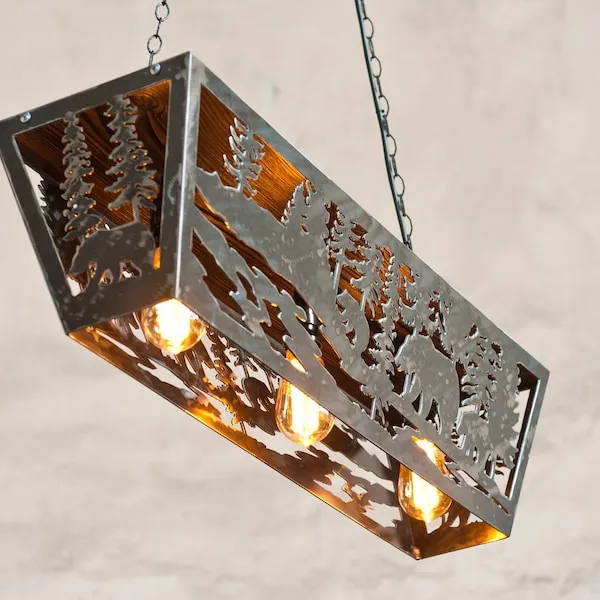
Red appliances can make a bold statement, and they come in a range of styles from retro to modern. A red refrigerator or oven can become the centerpiece of your kitchen. If you’re not ready for large appliances, consider smaller red appliances such as a toaster, stand mixer, or blender. Red lighting fixtures can add a pop of color and improve the ambiance. Consider red pendant lights over a kitchen island or red accent lights to illuminate specific areas. Think about the lighting, such as a red-shaded lamp on the counter. Make sure the lighting complements your overall kitchen design. Using red appliances and lighting is a great way to create a unique and personalized space.
Balancing Red with Other Colors

To create a balanced and visually appealing kitchen, consider the colors that you pair with red. Neutral colors like white, gray, and beige provide a great backdrop, preventing the space from feeling overwhelming. White can brighten the space. Gray can add sophistication, while beige adds warmth. Black can be used as a striking accent color. For a more vibrant look, try using complementary colors like green or turquoise. Pairing red with these colors can create a more energetic and balanced design. The goal is to create a palette that feels inviting and visually harmonious. Consider using the color wheel to identify complementary colors.
Complementary Color Schemes for Red
Complementary colors sit opposite each other on the color wheel and create a visually striking contrast. For red, green is the complementary color. In the kitchen, this can mean using green in your backsplash, accessories, or even in the form of houseplants. Blue is also considered complementary, and can work in a kitchen with red. Consider using blue-gray or navy accents with red. Another approach is using analogous colors. These are colors that sit next to each other on the color wheel, such as orange and purple. Using complementary color schemes with red adds depth and personality. This also ensures your space is more visually dynamic.
Neutral Colors that Pair Well with Red
Neutral colors are safe choices that provide a balanced backdrop for red. White is an excellent choice, as it brightens the space. Gray is another good option, as it adds sophistication. Beige provides warmth. Black can provide a striking contrast to red, but be careful not to use too much. These neutrals will help to balance the intensity of red and prevent the kitchen from feeling overwhelming. Using neutral colors allows red to be the star of the show. They provide a clean and fresh aesthetic, and they allow you to change your decor without having to repaint the entire kitchen. Consider using different shades of these neutrals to add depth and interest to your kitchen design.
Creating a Cohesive Design

Creating a cohesive kitchen design involves harmonizing all elements of the space. This is the key to a visually appealing kitchen. Start by choosing a color palette. Next, consider your desired style. Ensure that the red you choose complements the other colors and materials in your kitchen. Consider the type of flooring, countertops, and cabinetry. If your kitchen has a lot of patterns, it’s wise to use red sparingly to avoid visual clutter. Always maintain consistency in terms of style and color across all elements. You can achieve a cohesive design by creating a mood board or using design software to visualize the space. This will help to ensure that all the elements come together to create a unified and attractive kitchen.
Enhancing Light and Brightness
To brighten your red kitchen, focus on maximizing light. The right lighting can significantly affect the appearance of red, making it vibrant and welcoming. Incorporate natural light sources such as large windows or skylights. Use mirrors to reflect light and make the space appear larger and brighter. Choose light-colored countertops and backsplashes, as they reflect light. Strategic placement of artificial lighting is also crucial, using a combination of ambient, task, and accent lights. The goal is to ensure that the kitchen doesn’t feel dim or closed off. By focusing on light, you can create a kitchen that feels warm and inviting. This also enhances the aesthetic appeal of the red accents.
Maximizing Natural Light
Natural light is the most effective way to brighten a space. Maximize natural light by ensuring that windows are clean and unobstructed. Use light-colored window treatments that allow light to filter through. Position the kitchen layout to take advantage of sunlight, such as placing the sink or dining area near a window. Consider adding skylights if possible, as they provide an abundant amount of natural light. Remember, the more natural light you have, the more vibrant and inviting your red kitchen will be. Make sure there are no obstructions to the light, such as trees or buildings, blocking your windows.
Strategic Placement of Artificial Lighting

Properly placed artificial lighting can compensate for a lack of natural light and enhance the overall ambiance. Use a combination of ambient lighting (general lighting for the space), task lighting (focused lighting for work areas), and accent lighting (used to highlight certain features). Install under-cabinet lighting to illuminate countertops and work surfaces. Place pendant lights over the kitchen island or dining area. Use recessed lighting to provide overall illumination. Avoid using harsh or unflattering lighting. Warm-toned LED bulbs are a good choice, as they can create a welcoming atmosphere. Choose lighting fixtures that are consistent with your design style. This is the key to creating a bright and functional kitchen.
Improving the Overall Ambiance
The overall ambiance of your kitchen involves more than just color and light. Consider the textures, materials, and accessories that you incorporate into the space. Use a variety of textures to add depth and interest. This includes wood, stone, metal, and textiles. Choose accessories that complement your design style. Soften the space with textiles, such as kitchen rugs and curtains. Consider adding plants to bring life and freshness. Ensure the kitchen is functional and organized. A clutter-free kitchen looks more inviting. Focus on creating a space that feels comfortable, functional, and visually appealing. Your goal is to create an environment that makes you enjoy spending time in your kitchen. It will be inviting.
Decorating to Brighten the Space
Decorating to brighten a red kitchen involves a multifaceted approach, focusing on both visual and practical elements. Start by choosing light-colored accents. Use white or neutral-colored dishware. Use a light-colored rug to make the space feel more open. Incorporate mirrors to reflect light and make the room appear larger. Accessorize with reflective materials, such as chrome or glass. Keep the space tidy and organized, as clutter can make a room feel darker. Prioritize natural and artificial light sources. By using light-colored accents, mirrors, and ample lighting, you can transform your red kitchen into a bright, welcoming space that you will enjoy. This provides a sense of spaciousness and airiness.
In conclusion, creating a red kitchen that brightens your space involves a careful balance of color, light, and design elements. By understanding the psychology of color, choosing the right shade of red, and thoughtfully incorporating lighting and accessories, you can create a kitchen that is both vibrant and inviting. Remember to consider the size of your kitchen, the amount of natural light, and your overall design aesthetic. Whether you’re aiming for a rustic, modern, or eclectic style, the key is to balance the intensity of red with other elements to create a cohesive and welcoming environment. With the right approach, your red kitchen can become a source of joy and inspiration.