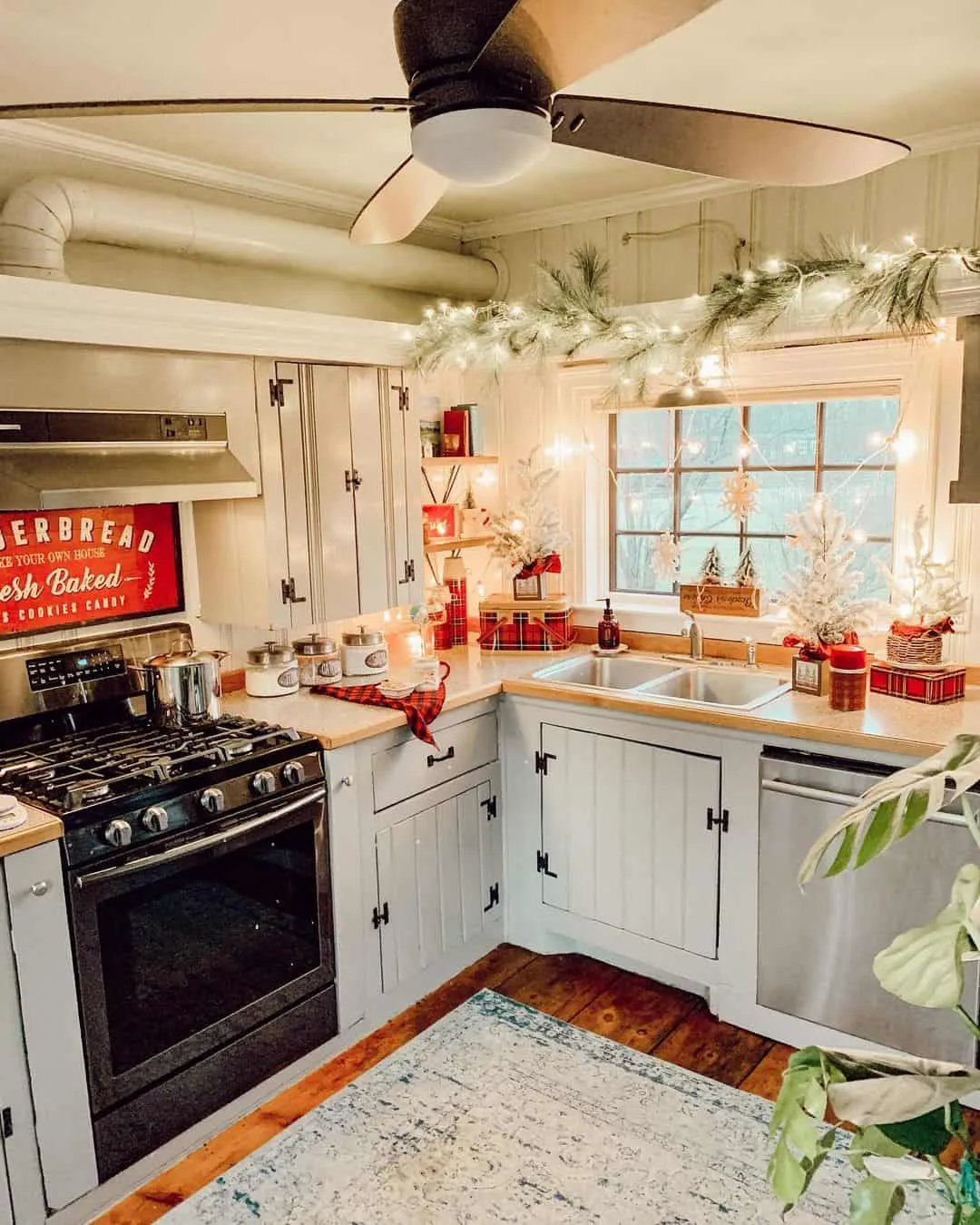
Embracing Rustic Red Kitchen Decor
Rustic red kitchen decor evokes warmth, charm, and a sense of history, transforming the heart of your home into a welcoming space. This style combines the boldness of red with the natural textures and imperfections characteristic of rustic design, creating a visually appealing and comfortable atmosphere. Whether you are completely renovating or simply refreshing your kitchen, incorporating rustic red elements can significantly enhance its character. The key to success lies in understanding the nuances of this style and how to balance the different components effectively. This guide offers practical tips for creating a rustic red kitchen that reflects your personal style and meets your functional needs. Prepare to be inspired and transform your kitchen into a cozy, inviting space.
Understanding the Rustic Red Palette
The rustic red palette isn’t limited to a single shade; it encompasses a range of reds, from deep, earthy tones to brighter, more vibrant hues. Consider the overall ambiance you want to create. Deep, brick-reds and burgundy shades can provide a sense of grounding and traditional warmth, while brighter, more vibrant reds add a pop of energy and a contemporary twist. When choosing a shade, think about the size of your kitchen and the amount of natural light it receives. Darker reds can make a smaller kitchen feel cozier but may also make it appear smaller if not balanced with lighter elements. Lighter reds work well in smaller spaces, reflecting light and creating an illusion of more space. Complement your chosen red with neutral colors, such as creams, off-whites, or soft grays, to create a balanced and harmonious look. A well-considered palette is the foundation of a successful rustic red kitchen decor.
Choosing the Right Red Shade

Selecting the right red shade is critical to achieving the desired aesthetic for your rustic red kitchen decor. Consider the undertones of the red; some reds have warm, orange undertones, while others have cool, blue undertones. Warm reds pair well with rustic wood tones and create a welcoming feel, perfect for a traditional rustic kitchen. Cool reds can add a modern touch when combined with lighter wood or neutral colors. Evaluate the existing elements of your kitchen. Do you have exposed brick, wooden beams, or other architectural features? These elements should inform your choice of red. For example, if you have a lot of wood, a red with warm undertones can help tie the space together. Always test paint samples in your kitchen before committing to a color. Observe how the color looks at different times of the day and under various lighting conditions to ensure you are happy with the final result. A thoughtful approach to choosing your red shade will result in a space that feels cohesive and visually appealing.
Consider the Kitchen’s Lighting
Lighting plays a vital role in showcasing your rustic red kitchen decor. The type and placement of lighting can dramatically impact the appearance of the red and the overall atmosphere of the space. Natural light is the most flattering, so maximize it whenever possible. Use light-colored window treatments to allow sunlight to filter in, enhancing the warmth of the red. For artificial lighting, choose warm white bulbs to complement the red tones and create a cozy environment. Layer your lighting to achieve the best results. Use a combination of ambient, task, and accent lighting. Ambient lighting provides overall illumination, task lighting focuses on work areas like countertops and the island, and accent lighting highlights decorative elements. Consider pendant lights over the island or dining area and under-cabinet lighting to illuminate workspaces. Ensure the lighting is consistent with the rustic theme, such as using wrought iron or antique-style fixtures. Thoughtful lighting choices will make your red kitchen decor shine.
Selecting the Right Materials
The materials you choose are essential to creating an authentic rustic red kitchen. Incorporate natural and textured elements like wood, stone, and metal to enhance the rustic feel. For cabinetry, consider wood with visible grain and imperfections, or opt for painted cabinets in a matte finish. Countertops made from butcher block, granite, or soapstone provide a durable and aesthetically pleasing surface that complements the red color scheme. Backsplashes can be crafted from brick, subway tile, or natural stone, adding texture and visual interest. Floors can feature reclaimed wood, stone tiles, or concrete. Metal accents, such as wrought iron hardware on cabinets and open shelving, contribute to the rustic charm. The combination of these materials adds depth and character to your kitchen. The right material selections bring the essence of the rustic style to life, creating a space that feels both beautiful and inviting.
Wood and Red A Classic Combination

The pairing of wood and red is a cornerstone of rustic design, creating a timeless and welcoming aesthetic in the kitchen. Wood’s natural tones and textures contrast beautifully with the boldness of red, adding warmth and depth. Consider incorporating wood in various forms, such as cabinetry, exposed beams, or a butcher block countertop. The type of wood you choose affects the overall look. Darker woods like walnut or cherry can create a more traditional, cozy atmosphere when paired with deep reds. Lighter woods, such as pine or oak, offer a brighter, more contemporary feel. To enhance the rustic appeal, opt for reclaimed wood or wood with visible imperfections. This adds character and authenticity. The combination of wood and red is extremely versatile, and it allows you to tailor your kitchen to reflect your personal style, making it both functional and a beautiful showcase of rustic charm. Whether you choose to paint your cabinets red and leave the wood exposed on beams, or bring in wooden accents, the interplay between these two elements will be a focal point.
Metal Accents for a Rustic Touch
Adding metal accents is a surefire way to enhance the rustic feel of your red kitchen decor. Wrought iron, copper, and bronze are excellent choices, adding a touch of vintage charm and visual interest. Consider using wrought iron hardware on your cabinets and drawers, or incorporate open shelving with wrought iron brackets to display your favorite dishes and decor items. Copper cookware and utensils can be hung above the stove or on a pot rack, adding a pop of color and a practical touch. Bronze or copper faucets and light fixtures create a cohesive look throughout the space. These metal elements also introduce a sense of history and craftsmanship, aligning perfectly with the rustic aesthetic. The strategic use of metal adds depth, texture, and a unique character to your red kitchen, creating a space that feels both stylish and comfortable. Don’t hesitate to mix metals to create a more dynamic and eclectic look.
Textiles and Fabrics
Textiles and fabrics can add warmth, texture, and a sense of comfort to your rustic red kitchen. Choose fabrics that complement the overall aesthetic, such as linen, burlap, and cotton in natural colors and patterns. Consider using patterned curtains with red accents, or incorporate red-and-white checkered or floral patterns for a classic rustic touch. Add soft, textured rugs to the kitchen floor to soften the space and provide comfort underfoot. Use dish towels, pot holders, and oven mitts in coordinating colors and patterns to add to the overall look. A well-placed tablecloth on a dining table or kitchen island creates a cozy gathering space. The careful selection of textiles can soften the kitchen’s visual appearance, adding layers of warmth and inviting your guests. The thoughtful inclusion of fabrics and textiles is an easy way to infuse personality into your rustic red kitchen, making it feel lived-in and inviting.
Adding Texture and Warmth

Texture plays a crucial role in creating a welcoming and visually interesting rustic red kitchen. Focus on incorporating various textures through the materials, fabrics, and accessories used in the space. Incorporate rough-hewn wood, exposed brick, or stone to provide a strong textural foundation. Woven baskets, burlap, and linen fabrics add soft texture, while metal accents provide a contrasting cool touch. Consider using textured tiles or a textured backsplash to add visual depth and intrigue. Choose accessories with character, like antique pottery, vintage cutting boards, or hand-carved wooden items. Incorporating a variety of textures prevents the kitchen from feeling flat and uninviting, making it a more engaging space. The interplay of different textures adds layers of visual interest. It creates a sense of depth and warmth, contributing to the overall cozy atmosphere of the rustic red kitchen.
Incorporating Rustic Furniture
Selecting the right furniture can significantly enhance the rustic appeal of your red kitchen. Choose pieces made from natural materials, such as wood, and look for furniture with character, like farmhouse-style tables or distressed wooden chairs. Consider incorporating a kitchen island with a butcher block countertop, providing additional workspace and storage. A rustic dining table with bench seating is a great option for creating a cozy and inviting eating area. Opt for furniture with a vintage or antique aesthetic to enhance the overall rustic theme. Look for furniture with details like hand-carved designs, exposed joinery, or metal accents. The furniture you choose should be functional, beautiful, and reflective of the rustic style. Incorporating rustic furniture in the kitchen brings a cohesive and visually appealing look. This adds to the charm and character, making it a space you’ll enjoy spending time in. This is a great opportunity to add a little bit of personality.
Rustic Kitchen Islands
A rustic kitchen island can become the focal point of your red kitchen decor, adding functionality and style. Choose an island made from reclaimed wood or a similar material to enhance the rustic aesthetic. A butcher block countertop provides a practical workspace and a visually appealing surface. Consider incorporating open shelving on the island to display cookbooks, cookware, and decorative items. Paint the island in a contrasting color to the cabinetry, or use a distressed finish for added character. Include metal accents, such as wrought iron legs or hardware, to complement the overall rustic theme. The island should be functional, providing ample storage and workspace, as well as a gathering place for family and friends. The design should incorporate the rustic elements, making the island a stylish and integral part of your rustic red kitchen. A well-designed rustic kitchen island can bring everything together.
Rustic Red Kitchen Accessories

Accessories are the finishing touches that bring your rustic red kitchen decor together, infusing personality and character. Choose items that reflect the rustic theme, such as antique pottery, vintage cutting boards, and wooden utensils. Display copper cookware on a pot rack or hang vintage-style signs with kitchen-related quotes. Incorporate natural elements, like fresh herbs in rustic planters or a fruit bowl filled with seasonal produce. Use woven baskets to store items on shelves or countertops. Display cookbooks on open shelves or in a cookbook stand. Choose accessories with a slightly worn or aged look to enhance the rustic aesthetic. The right accessories will add to the warmth and charm of your rustic red kitchen, reflecting your style and creating a space that is both functional and visually appealing. Accessories are an important part of bringing the entire theme to life.
Essential Decor Items
Certain decor items are essential for creating a cohesive rustic red kitchen design. A farmhouse-style apron sink is both functional and visually appealing, contributing to the rustic charm. Open shelving is excellent for displaying dishes, glassware, and decorative items. A vintage-style clock, possibly with a red frame, enhances the rustic aesthetic and adds a practical touch. Incorporate wooden or metal signs with kitchen-related quotes or imagery. Display candles and lanterns to add warmth and create a cozy atmosphere. Consider using woven placemats and napkins to add texture and visual interest to your dining table. These essential decor items contribute to the overall rustic theme and create a cohesive and inviting kitchen space, reflecting your personal style and preferences. Adding these items will create a more welcoming kitchen.
The Power of Lighting
Lighting can transform the ambiance of your rustic red kitchen, accentuating the colors and textures and setting the mood. To enhance the rustic theme, choose fixtures made from materials such as wrought iron, wood, or aged metal. Pendant lights over the kitchen island or dining area create focused task lighting and add a touch of style. Install under-cabinet lighting to illuminate countertops and create a warm glow. Use dimmer switches to adjust the light levels, allowing you to create different moods as needed. Consider incorporating a chandelier with a vintage or industrial design to provide ambient lighting and add visual interest. The right lighting choices will not only make your kitchen more functional but also enhance the beauty of the red color scheme and the rustic elements. Careful selection and placement of lighting fixtures will showcase your design.
Strategic Placement of Lights

The strategic placement of lighting fixtures is critical for achieving a well-balanced and visually appealing rustic red kitchen. Consider layering your lighting, incorporating ambient, task, and accent lighting to create a cohesive and functional space. Place pendant lights or a chandelier over the kitchen island or dining table to provide task lighting and act as focal points. Install under-cabinet lighting to illuminate countertops and workspaces. Use recessed lighting to provide general ambient light, ensuring even distribution throughout the kitchen. Accent lighting can be used to highlight artwork, open shelving, or decorative features. Make sure your lighting choices complement the red color scheme. Warm white bulbs are recommended to enhance the red hues and create a cozy atmosphere. The strategic use of lighting will create a functional and inviting kitchen and improve the rustic aesthetics. Take your time and test out different placements for best results.
How to Avoid Overdoing It
It is important to achieve balance in your rustic red kitchen decor, to avoid overdoing it and creating a space that feels overwhelming. The goal is to create a warm and inviting kitchen, but it’s easy to go overboard. Avoid using too much red. Instead, incorporate red as an accent color, balancing it with neutral tones such as white, cream, or gray. Vary the textures to add visual interest. If you have brick or stone elements, balance them with wood and metal accents. Don’t overcrowd the space with too many accessories, as it can make the kitchen feel cluttered. Edit and select your decor items carefully, choosing only the pieces that you love and that contribute to the overall aesthetic. A minimalist approach to rustic decor can be very effective. By carefully balancing the various design elements, you can create a charming and functional rustic red kitchen without it feeling overdone.
Balancing Red with Neutral Colors
One of the most effective ways to create a harmonious rustic red kitchen is by carefully balancing the red with neutral colors. Neutrals, such as white, cream, gray, and beige, provide a calming backdrop that complements the boldness of red. Use neutral colors for the walls, cabinetry, or countertops to create a sense of balance. Introduce red through accent pieces, such as a backsplash, dish towels, or accessories. For example, you might paint your cabinets a neutral color and use a red backsplash or add red accents with kitchen accessories. White walls and a red island make a striking statement without being overwhelming. The key is to ensure that the red is the focal point, but the neutral colors ensure it does not dominate the space. A well-balanced use of red and neutral colors will create a rustic red kitchen that is both welcoming and stylish.
Tips for a Cohesive Design

Achieving a cohesive rustic red kitchen design requires careful planning and attention to detail. Begin by establishing a clear vision for your kitchen, considering your personal style and the overall atmosphere you want to create. Choose a color palette that includes red and neutral colors, such as white, cream, or gray. Select materials and finishes that complement the rustic theme, such as wood, stone, and metal. Choose furniture and accessories that reflect your chosen aesthetic. Ensure that the various elements work together harmoniously. Repeat colors, textures, and patterns throughout the space to create a sense of unity. Consider the functionality of the kitchen and the layout, making sure that it meets your needs. By following these tips, you can create a cohesive and aesthetically pleasing rustic red kitchen that is both functional and a joy to be in. This attention to detail will turn the kitchen into the heart of the home.