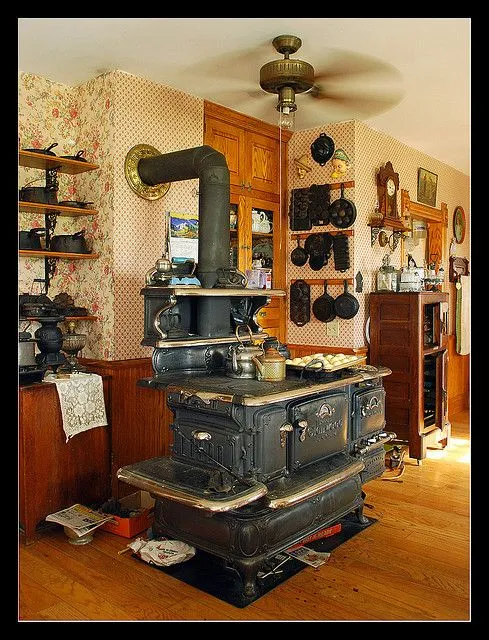
The Allure of 1900s Summer Kitchens
Step back in time and discover the charm of summer kitchen decor from the 1900s. These kitchens were designed not just for cooking, but as a cool, airy retreat during the hot summer months. The focus was on functionality, natural light, and the use of local, sustainable materials. Imagine a space where the aroma of fresh bread mingles with the gentle breeze, a haven from the heat where families gathered to prepare and preserve the bounty of the season. Today, incorporating elements of this era into your kitchen can bring a touch of nostalgia, a sense of simplicity, and a connection to the past.
Natural Light and Ventilation
One of the key features of a 1900s summer kitchen was the emphasis on natural light and ventilation. The design prioritized these elements to create a comfortable and practical workspace. Large windows and strategically placed openings were common, ensuring that the kitchen was bright and airy, even on the hottest days. This approach not only made the space more pleasant to work in but also helped to keep the area cool, minimizing the need for artificial cooling systems, which were not widely available at the time. This design philosophy promotes a healthy and inviting environment.
Maximizing Natural Light

To maximize natural light, kitchens of the 1900s often featured large windows, sometimes extending from floor to ceiling. These windows were strategically placed to capture the sun’s rays throughout the day. The use of light-colored curtains or no curtains at all was common, allowing the sunlight to flood the space. The goal was to make the kitchen as bright and cheerful as possible, which created a more inviting atmosphere for cooking and gathering. This design choice also reduced the reliance on artificial lighting, making the kitchen a more energy-efficient space.
Importance of Cross-Ventilation
Cross-ventilation was crucial in keeping the summer kitchen cool. Windows were often placed on opposite walls to create a natural airflow. This airflow would draw hot air out and bring in cooler air, making the kitchen a more comfortable place to work. Doors were also left open when possible to improve ventilation. The emphasis on cross-ventilation also helped to dissipate cooking odors and prevent the build-up of humidity, preserving food and keeping the kitchen fresh. It was an essential element of the design to combat the summer heat, creating a functional and enjoyable workspace.
Color Palette and Materials
The color palette and materials used in a 1900s summer kitchen reflected the era’s preference for simplicity and natural beauty. Light, bright colors and the use of natural materials were popular choices, creating a fresh and inviting atmosphere. These choices also contributed to the overall functionality of the space, making it easier to clean and maintain. The focus was on creating a space that was not only beautiful but also practical, reflecting the values of the time.
Embracing Light Colors

Light colors, such as whites, creams, and pale yellows, were frequently used in 1900s summer kitchens. These colors helped to reflect sunlight, making the space feel brighter and more spacious. They also contributed to a sense of cleanliness and freshness, which was important in a food preparation area. These light hues were often combined with accents of brighter colors, such as blues and greens, inspired by nature, to create a balanced and visually appealing environment. The emphasis on light colors was a practical and aesthetic choice, enhancing the overall feel of the kitchen.
Use of Natural Materials
The use of natural materials, such as wood, stone, and ceramic, was a hallmark of 1900s summer kitchen decor. These materials were not only readily available but also durable and easy to maintain. Wood was often used for cabinetry and countertops, while stone and ceramic were popular for flooring and backsplashes. The natural textures and colors of these materials added warmth and character to the space. The emphasis on natural materials reflected a connection to nature and a desire for sustainability, principles that are still relevant in kitchen design today.
Essential Summer Kitchen Furnishings
The furnishings of a 1900s summer kitchen were designed to be both practical and functional. A few key pieces were essential for food preparation, storage, and gathering. Each element served a specific purpose, and the overall arrangement was aimed at maximizing efficiency and ease of use. The simplicity of the furnishings and their focus on functionality reflect the values of the era. These essential pieces combined to create a workspace perfectly suited for the needs of the time.
The Role of a Large Work Table

A large, sturdy work table was the heart of a 1900s summer kitchen. It provided ample space for food preparation, from chopping vegetables to kneading dough. Often made of wood, the table was designed to withstand heavy use and featured a simple, practical design. The table’s size and central location made it a gathering place for family members, creating a sense of community and shared effort. The work table’s prominence highlights the importance of cooking and preparing food in daily life. It was a central hub for all kitchen activities.
Importance of Open Shelving
Open shelving was a common feature in 1900s summer kitchens. This shelving allowed for easy access to frequently used items, such as dishes, cookware, and ingredients. The open design promoted air circulation, keeping items dry and preventing the build-up of odors. Open shelving also made it easier to see what was available, simplifying meal preparation. It also provided a decorative element, as the shelves were often used to display attractive ceramics, spices, and other kitchen essentials. Functionality and aesthetics were perfectly blended here.
Textiles and Decorative Elements
Textiles and decorative elements added warmth, character, and a touch of personality to the 1900s summer kitchen. These elements were carefully chosen to complement the overall design, while also adding a touch of comfort and charm. From curtains and tablecloths to decorative items, these additions played a crucial role in creating a welcoming and inviting space. These small details made the kitchen a more comfortable and enjoyable place to be, transforming it into a true summer haven.
Choosing the Right Textiles

Textiles in a 1900s summer kitchen were often chosen for their practicality and aesthetic appeal. Lightweight, breathable fabrics such as cotton and linen were common choices for curtains, tablecloths, and dish towels. These fabrics were easy to wash and dry, making them ideal for a busy kitchen. The patterns and colors of the textiles often reflected the natural world, with floral prints and simple stripes being popular choices. The textiles added softness and visual interest to the space, while also serving a practical purpose. This combination made the kitchen a more comfortable and attractive place.
Incorporating Vintage Decor
Vintage decor added a touch of nostalgia and personality to 1900s summer kitchens. Items such as antique kitchen scales, enamelware pots, and vintage canisters were common choices. These items not only served a practical purpose but also added visual interest and a sense of history to the space. Displaying these items on open shelves or countertops was a great way to showcase their beauty and utility. Vintage decor provided a connection to the past, making the kitchen feel warm, inviting, and full of character. These elements transformed the kitchen into a space rich with stories.
Preserving Food and Beverages
Food preservation was a crucial aspect of 1900s summer kitchen life, ensuring that families had provisions throughout the year. Methods like canning, pickling, and storing food in cool, dark places were essential. The preservation of food directly influenced the design and features of the summer kitchen, shaping its layout and the types of equipment it contained. This need for preservation also contributed to the kitchen’s role as a center of activity during the summer months. This practice was fundamental to the functionality of the summer kitchen, creating a self-sufficient and sustainable space.
The Icebox and Cold Storage

The icebox was a significant technological advancement, providing a way to keep food cold and fresh for longer periods. The icebox was typically made of wood, with an insulated compartment for storing ice. Food was stored in separate compartments within the icebox, protecting it from melting ice and maintaining a cool temperature. Although it required a regular supply of ice, the icebox was a vast improvement over earlier methods of food storage. It played a crucial role in preserving food, improving hygiene, and reducing food waste.
Traditional Food Preservation Methods
Besides the icebox, traditional food preservation methods were widely practiced in 1900s summer kitchens. Canning, pickling, and drying were all popular ways to preserve the harvest. Jars of fruits and vegetables, pickles, and jams lined the shelves, showcasing the family’s efforts and providing food for the winter months. These methods required dedicated space, equipment, and time, making food preservation a significant part of summer kitchen activities. Food preservation demonstrated a deep connection to the seasons and a commitment to self-sufficiency. These techniques were a testament to resourcefulness and a respect for the bounty of the land.
Bringing it All Together
Recreating the ambiance of a 1900s summer kitchen today involves blending historical accuracy with modern convenience. By incorporating elements of natural light, airy ventilation, light colors, natural materials, and functional furnishings, you can create a space that evokes the charm of the past. The key is to embrace simplicity, prioritize functionality, and incorporate personal touches that reflect your style. Whether you are renovating your entire kitchen or just adding a few vintage elements, the goal is to create a welcoming and inspiring space where the joy of cooking and gathering can be celebrated. Designing a kitchen around these principles promotes a connection to history, nature, and the simple pleasures of life.