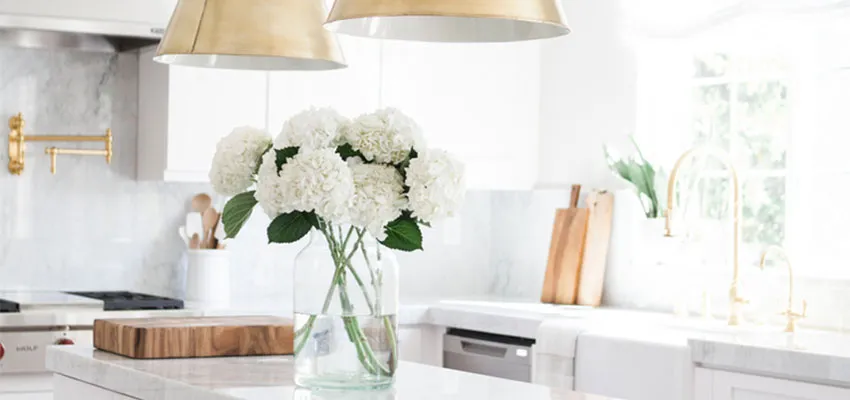
Overlooking Functionality in Summer Kitchen Decor
Creating a stunning summer kitchen is an exciting project, but it’s easy to get swept away by the aesthetics and forget about the practical aspects. The best summer kitchens seamlessly blend beauty with functionality, allowing you to prepare and serve meals with ease. One of the biggest mistakes homeowners make is prioritizing looks over usability. Before you start, think about how you plan to use the space. Consider the flow of movement, the placement of appliances, and the availability of essential tools. Think about counter space – do you have enough for food preparation and serving? Do you have easy access to water and electricity? Adequate storage for dishes, utensils, and ingredients is also very important. Ignoring these fundamental needs can turn your dream kitchen into a frustrating experience, so remember to plan for the way you’ll actually use the space.
Ignoring the Importance of Ventilation
Ventilation is a critical element often overlooked in outdoor kitchen design, and it’s a mistake that can ruin your enjoyment of the space. Without proper ventilation, smoke, odors, and heat can accumulate, making the kitchen uncomfortable and even hazardous. When designing your summer kitchen, think about the placement of your grill, smoker, or other cooking appliances. Make sure to include a high-quality range hood that can effectively remove smoke and grease. Consider the prevailing winds in your area and position your cooking area to take advantage of natural airflow. If a range hood isn’t feasible, ensure there is ample space around the cooking area to allow for air circulation. Ventilation is not just about comfort; it’s also about safety. Build-up of smoke and gases can be dangerous, so prioritize this element to ensure a safe and enjoyable outdoor cooking experience.
Choosing the Wrong Materials for Summer Heat

The materials you choose for your summer kitchen are a critical aspect of its long-term performance and enjoyment. Choosing materials that aren’t suited for the heat, humidity, and exposure to the elements is a common mistake. Wood, for instance, can warp, crack, and fade in direct sunlight, especially if it’s not treated properly. Similarly, certain metals can rust or corrode, leading to costly repairs and a diminished aesthetic. When selecting materials, opt for those that are specifically designed for outdoor use, such as stainless steel, weather-resistant composite decking, or durable stone. Consider the color of the materials – darker colors absorb more heat, making the space hotter. Prioritize materials that are easy to clean and maintain, as your summer kitchen will be exposed to spills, grease, and other messes. Selecting the right materials will not only extend the life of your kitchen but also ensure it looks beautiful for years to come.
Using Too Much Color or Pattern
While adding color and pattern can inject personality into your summer kitchen, using too much can lead to a design that feels chaotic and overwhelming. When planning your color scheme, start with a neutral base – think of natural tones like beige, gray, or light wood. These provide a versatile backdrop that allows pops of color to shine without feeling cluttered. Introduce color through accessories, such as cushions, tableware, or accent pieces. This approach provides flexibility – you can easily change the color palette as seasons or your tastes change. Similarly, be mindful of patterns. Too many competing patterns can create visual noise. If you want to incorporate patterns, choose a focal point, like a patterned tile backsplash or a vibrant outdoor rug, and keep the rest of the space relatively simple. A well-balanced color scheme and controlled use of patterns will result in a cohesive and inviting summer kitchen.
Ignoring the Impact of Natural Light
Natural light is a fundamental element in any kitchen design, and it’s particularly important in a summer kitchen. The mistake of ignoring the impact of natural light can lead to a space that feels dark, cramped, and less inviting. The goal is to maximize the amount of natural light, which will brighten the space, create a more open feel, and make it more pleasant to cook and entertain. Consider the orientation of your kitchen and how the sun’s path affects the space throughout the day. Ensure that you have adequate openings, such as windows and doors, to allow sunlight to stream in. If your kitchen is in a shaded area, consider adding skylights or incorporating light-colored materials to reflect light. Strategically placed mirrors can also help to bounce light around the space. Remember, lighting also includes shadows. Balancing the light and shadow is key.
Focusing on Aesthetics Over Practicality

It’s tempting to focus solely on the aesthetics of your summer kitchen, but doing so at the expense of practicality is a common mistake. While a beautiful kitchen is desirable, it’s essential that it’s also functional and easy to use. Overlooking practical details, such as the placement of appliances, the availability of storage, and the ease of cleaning, can result in a space that is more of a hassle than a pleasure. Before you make any design decisions, think about how you’ll actually use the kitchen. Consider the flow of movement, the types of meals you’ll prepare, and the number of people you typically entertain. Choose durable, easy-to-clean materials. Think about the height of your countertops and make sure they are comfortable for you to work at. A well-designed summer kitchen should be both beautiful and functional, so prioritize the elements that will make it a pleasure to use.
Underestimating the Need for Bug Protection
Bugs can quickly turn your summer kitchen into an unpleasant experience. Underestimating the need for bug protection is a significant mistake that can ruin your enjoyment of the space. Mosquitoes, flies, and other pests are drawn to food, water, and light, and can make outdoor cooking and dining a challenge. To minimize the presence of bugs, consider installing screens or netting around your kitchen area. Make sure to keep food covered when it’s not being prepared or served, and clean up spills immediately. Avoid standing water, which can serve as a breeding ground for mosquitoes. Consider using citronella candles or bug-repelling plants, such as lavender or basil, to create a natural barrier. Investing in bug protection will allow you to enjoy your summer kitchen in comfort and without the annoyance of unwanted pests.
Forgetting About Weather Resistance
Your summer kitchen is exposed to the elements, so forgetting about weather resistance is a serious mistake that can lead to damage, deterioration, and costly repairs. Rain, sun, wind, and temperature fluctuations can all take a toll on your outdoor space. When designing your kitchen, choose materials that are specifically designed for outdoor use and resistant to the elements. Stainless steel appliances and weather-resistant countertops are essential. If you have a roof or awning, make sure it’s properly sealed and maintained. Protect your furniture and accessories from the sun and rain with covers or by storing them indoors when not in use. Consider the drainage – ensure that water can easily flow away from your kitchen area to prevent pooling and damage. By prioritizing weather resistance, you can extend the life of your summer kitchen and ensure it remains a beautiful and functional space for years to come.
Making Space Planning Errors

Space planning is crucial in kitchen design, and making errors can result in a cramped, inefficient, and frustrating space. A well-planned kitchen will optimize the flow of movement, maximize the use of space, and create a comfortable environment for cooking and entertaining. One of the most common mistakes is not considering the work triangle – the imaginary line connecting the sink, the stove, and the refrigerator. Ensure that these elements are strategically placed to minimize steps and make it easy to move from one task to another. Be realistic about the amount of space you have and avoid overcrowding the area with too many appliances or features. Think about the size and placement of your dining area and make sure there’s enough room for guests to move around comfortably. Prioritize functionality, and do not hesitate to seek advice from a professional designer to make the most of the available space.
Not Considering Outdoor Elements
Your summer kitchen is exposed to the outdoors, and failing to consider the elements is a mistake that can lead to a space that is unusable or uncomfortable. Wind, sun, rain, and temperature fluctuations can all affect your experience. When designing your kitchen, think about how these elements will impact the space. Consider the direction of the prevailing winds and how they might affect cooking and dining. If you live in a sunny area, provide shade with an awning, umbrella, or pergola. Make sure to choose materials that can withstand the elements, and incorporate features that will make your space more comfortable, such as a fireplace or outdoor heater. Being mindful of the outdoor elements will ensure that you can enjoy your summer kitchen throughout the season, regardless of the weather.
Neglecting Storage Solutions
Storage is critical in any kitchen, and neglecting storage solutions is a common mistake that can clutter your summer kitchen and make it difficult to keep things organized. Without adequate storage, you’ll find yourself constantly searching for items, struggling to keep surfaces clear, and feeling frustrated. Before you begin your design, think about all the items you need to store, including dishes, utensils, cookware, food, and drinks. Incorporate a variety of storage options, such as cabinets, drawers, shelves, and a pantry. Think about the placement of your storage – keep frequently used items within easy reach. Consider adding built-in storage, such as a grill cabinet or a bar area, to maximize space. Prioritizing storage will not only keep your kitchen organized but also make it more functional and enjoyable to use.
In conclusion, creating a stunning summer kitchen involves more than just aesthetics. Avoiding common mistakes, such as overlooking functionality, neglecting weather resistance, and making space planning errors, will ensure your outdoor space is a beautiful, functional, and enjoyable area for years to come. Careful planning, thoughtful material selection, and a focus on both form and function will transform your dream kitchen into a reality, providing you with the perfect space to cook, dine, and entertain during the warmer months.