What is Sunflower Kitchen Decor 3D Printing?
Sunflower kitchen decor 3D printing is a creative and accessible way to personalize your kitchen space with charming, nature-inspired designs. By using a 3D printer, you can bring your vision of sunflower-themed kitchen accessories to life, from utensil holders and trivets to wall art and decorative accents. This innovative approach allows for complete customization, letting you choose the exact size, shape, and color of your sunflower creations. It also opens up a world of possibilities for unique and personalized gifts for friends and family who appreciate the beauty of sunflowers and the convenience of modern technology. Whether you’re a seasoned 3D printing enthusiast or a curious beginner, the process of designing and printing sunflower kitchen decor offers a rewarding and enjoyable experience. The combination of design freedom, cost-effectiveness, and the ability to create truly one-of-a-kind pieces makes 3D printing an ideal choice for anyone looking to add a touch of floral elegance to their kitchen.
Benefits of 3D Printing Sunflower Kitchen Decor
The benefits of 3D printing sunflower kitchen decor extend beyond mere aesthetics. Firstly, 3D printing offers unmatched customization. You’re not limited to existing designs; you can tailor the decor to your specific kitchen dimensions and style preferences. Secondly, it’s often more cost-effective than purchasing pre-made decor, especially for intricate designs or custom sizes. Thirdly, you have complete control over the materials used, allowing you to choose food-safe filaments if the items will come into contact with food. Furthermore, the process itself is a rewarding experience, providing a sense of accomplishment as you watch your designs come to life layer by layer. The DIY aspect also encourages creativity and problem-solving, and the ability to repair or replace items easily adds to the long-term value. Finally, it’s an eco-friendly option, particularly if you use recycled or biodegradable filaments, contributing to a more sustainable lifestyle. Ultimately, 3D printing sunflower kitchen decor provides a unique blend of personalization, affordability, and creative fulfillment.
Cost-Effectiveness of 3D Printing Kitchen Decor

3D printing kitchen decor can be remarkably cost-effective, especially when compared to purchasing similar items from retail stores or custom design services. The primary costs involved are the 3D printer itself, filament, and electricity. While the initial investment in a 3D printer can be significant, the cost per print is relatively low. Filament, which is the material used to print, is often affordable, and the amount used per item is generally small, especially for smaller decor pieces. The electricity consumption of most 3D printers is comparable to other household appliances. Moreover, by printing your own decor, you eliminate the markup associated with traditional retail and manufacturing. You also avoid shipping costs, which can add up, particularly for larger items. Furthermore, if you design your own models or use free online designs, you save money on design fees. This cost-effectiveness makes 3D printing a financially smart choice for those looking to decorate their kitchens with personalized sunflower-themed items without breaking the bank.
Getting Started with 3D Printing Sunflower Decor
Embarking on your 3D printing journey for sunflower decor begins with a few essential steps. Start by researching and choosing a suitable 3D printer. Consider factors like print size, material compatibility, and ease of use, especially if you’re a beginner. Next, gather the necessary materials, primarily filament. PLA (Polylactic Acid) is a popular choice for its ease of printing and biodegradability, making it an environmentally friendly option. However, if your decor will be exposed to heat or moisture, you might consider ABS (Acrylonitrile Butadiene Styrene) or PETG (Polyethylene Terephthalate Glycol). Then, familiarize yourself with 3D modeling software, such as Tinkercad (user-friendly for beginners) or more advanced programs like Fusion 360. Alternatively, you can download pre-made sunflower designs from websites like Thingiverse. Finally, learn the basics of slicing software, which converts your 3D model into instructions for the printer. This initial setup might seem daunting, but the wealth of online tutorials and resources makes it a manageable and rewarding process. Once you have the fundamentals in place, you’re ready to create beautiful sunflower kitchen decor.
Choosing Your 3D Printer for Kitchen Decor
Selecting the right 3D printer is a critical step in creating your sunflower kitchen decor. Several factors should guide your decision. First, consider the build volume, which determines the maximum size of your printed items. If you plan on printing larger pieces, like a substantial sunflower wall art, you’ll need a printer with a larger build plate. Next, evaluate the printer’s material compatibility. While PLA is a common choice, you may need to use other materials like ABS or PETG, depending on your design requirements. Ensure the printer supports the filaments you intend to use. Furthermore, consider the printer’s ease of use, especially if you’re new to 3D printing. Look for features like automatic bed leveling and user-friendly software. Research the printer’s reliability and reviews, as a dependable printer will save you time and frustration. Finally, budget is an essential factor. 3D printers range in price from a few hundred to several thousand dollars. Balance the features you need with what you can afford. Doing your research and comparing different models will help you make an informed decision, setting you up for success in your 3D printing projects.
Selecting the Right Filament for Sunflower Designs

The choice of filament is pivotal to both the look and functionality of your sunflower kitchen decor. PLA (Polylactic Acid) is often the go-to choice for its ease of printing, low odor, and biodegradability, making it a great choice for beginners and those seeking an eco-friendly option. It comes in a wide variety of colors, perfect for achieving the vibrant yellows and greens associated with sunflowers. ABS (Acrylonitrile Butadiene Styrene) is more durable and heat-resistant, suitable for items that may be exposed to higher temperatures, such as trivets or items placed near the oven or stovetop. PETG (Polyethylene Terephthalate Glycol) is another excellent option; it offers a balance of strength, flexibility, and temperature resistance. Consider the intended use of your decor when making your choice. If your designs will come into contact with food, ensure the filament is food-safe. Always research the specific properties of each filament, including temperature resistance, flexibility, and the surface finish it provides. Experimenting with different filaments allows you to achieve the desired look and feel for your sunflower kitchen decor, leading to unique and personalized creations.
Designing Sunflower Kitchen Decor
Designing your sunflower kitchen decor opens up a world of creative possibilities. You can begin with readily available 3D models, modifying them to suit your needs, or start from scratch using 3D modeling software. Tinkercad is an excellent option for beginners due to its intuitive interface and ease of use. More advanced users might prefer Fusion 360 or Blender, offering more sophisticated tools for detailed designs. When designing, consider the overall aesthetic of your kitchen. Will your decor be bold and modern or rustic and charming? Incorporate the natural forms of sunflowers, such as their iconic petals and central seed heads. Think about the function of each piece. For instance, a utensil holder will need a stable base and appropriately sized compartments. A trivet should be designed to protect surfaces from heat. Consider the size and scale of your designs in relation to your kitchen space. Experiment with different textures and details to add visual interest. The design process is an iterative one; be prepared to make adjustments and refinements as you go. With practice and imagination, you can create stunning and functional sunflower decor that perfectly complements your kitchen.
Where to Find Free 3D Models
Accessing free 3D models is a cost-effective way to start your sunflower kitchen decor project. Several online platforms offer extensive libraries of free designs. Thingiverse is one of the most popular, with a vast collection of user-generated models, including a variety of sunflower-themed designs. MyMiniFactory is another excellent resource, known for its curated selection of high-quality models, many of which are free to download. Cults3D offers a mix of free and premium models, providing another source of creative inspiration. When searching for designs, use specific keywords like “sunflower,” “kitchen decor,” “utensil holder,” or “trivet” to narrow your search. Always check the license of the model before downloading it. Some models may be free for personal use but require a license for commercial applications. Download models in a format compatible with your slicing software, such as STL. Before printing, examine the model closely to ensure it meets your quality standards and print requirements. Exploring these platforms can provide a wealth of options, allowing you to find designs that resonate with your style and simplify the 3D printing process.
Creating Custom Sunflower Designs

Creating custom sunflower designs offers the ultimate creative freedom for your kitchen decor. Begin by choosing 3D modeling software. Tinkercad is an ideal starting point for beginners, while Fusion 360 and Blender offer more advanced features for experienced users. Start by sketching your ideas on paper. Consider the shape, size, and intended function of your design. Think about the different parts of a sunflower: the petals, the central disk, and the stem. Use the software to create these elements. Experiment with different shapes and textures. You can add intricate details like the fine lines of the petals or the rough texture of the stem. Pay attention to dimensions and scale, ensuring that your design fits your kitchen space and meets its intended purpose. Use online resources and tutorials to learn the specifics of your chosen software. Consider using existing models as a starting point and modify them to suit your needs. Creating custom designs takes time and practice, but the ability to bring your unique vision to life makes the effort worthwhile. This personalized touch ensures that your sunflower kitchen decor perfectly reflects your taste and style.
Printing Your Sunflower Kitchen Decor
The printing process is where your digital designs transform into physical objects. After you’ve selected your 3D model and filament, you’ll need to use slicing software to prepare your model for printing. Slicing software converts your 3D model into a series of instructions that your printer can understand. Key settings to adjust include layer height, infill density, print speed, and support structures. Layer height affects the level of detail in your print; a lower layer height results in finer details but takes longer to print. Infill density determines the solidity of your print; higher infill provides more strength but uses more filament. Print speed affects how quickly the printer moves, with slower speeds often leading to better print quality. Support structures are necessary for overhanging parts of your design and are later removed. Once you’ve configured your settings, load the sliced file onto your printer and start the print. Monitor the print closely, especially in the initial layers, to ensure everything is proceeding as expected. Be prepared to adjust settings as needed, and don’t be discouraged by the occasional failed print. The process requires patience, but the satisfaction of seeing your creation emerge layer by layer is incredibly rewarding.
Preparing Your Printer for Sunflower Prints
Preparing your 3D printer properly is crucial for successful sunflower prints. Start by ensuring your printer bed is level. An uneven bed can cause the first layer of your print to fail, resulting in adhesion problems and warping. Most printers have a leveling procedure that you can follow. Next, clean the print bed surface thoroughly. Remove any dust, oils, or residue that could interfere with adhesion. Consider using an adhesive, such as a glue stick or painter’s tape, to help the first layer stick to the bed. Ensure that your printer is properly calibrated. Check the nozzle temperature for your chosen filament to ensure that it is within the recommended range. Verify that the filament is feeding smoothly into the extruder. Finally, make sure your printer is in a well-ventilated area to avoid exposure to fumes. Proper preparation will significantly increase your chances of achieving high-quality prints and enjoying the 3D printing process. Regular maintenance and attention to detail will ensure your printer remains in optimal working condition, helping you to produce beautiful sunflower kitchen decor.
Optimizing Print Settings for Best Results

Optimizing your print settings can significantly improve the quality and appearance of your sunflower kitchen decor. Layer height is a key setting; a lower layer height will produce finer details and smoother surfaces, but it also increases print time. Experiment with different layer heights to find a balance between quality and speed. Infill density affects the strength and weight of your print. A higher infill percentage results in a stronger object but consumes more filament. Choose an infill pattern, such as honeycomb or gyroid, to provide strength and visual appeal. Print speed is another important factor. Printing slower generally results in better print quality, especially for detailed designs. Adjust the print speed for the outer perimeters to create clean edges. Temperature settings for both the nozzle and the print bed are critical. Refer to the filament manufacturer’s recommendations for the ideal temperature range. Using the correct temperatures ensures proper filament flow and adhesion. Finally, adjust the support settings to ensure that your designs print correctly without leaving unwanted marks. Experimenting with these settings will help you fine-tune your printing process, resulting in stunning and functional sunflower kitchen decor.
Post-Processing Your 3D Printed Decor
Post-processing is an essential step to refining your 3D printed sunflower decor. The primary tasks include removing support structures and finishing the surfaces. Support structures are used to hold up overhanging parts of your design during printing and need to be carefully removed. Use a pair of pliers or a hobby knife to gently detach the supports. Be careful not to damage the print. Smoothing the surfaces can improve the aesthetic appearance and feel. Sanding is a common method for smoothing surfaces. Start with a coarser grit sandpaper and gradually move to finer grits. For intricate details, consider using a sanding sponge or a rotary tool with a sanding attachment. For items that may come into contact with food, consider a food-safe sealant. This provides a smooth, waterproof finish. Finally, inspect the item for any imperfections and make necessary repairs or touch-ups. Post-processing transforms a rough print into a polished piece of decor, allowing you to create professional-looking sunflower-themed kitchen accessories. The time and effort you invest in post-processing will greatly enhance the final result and bring your design vision to completion.
Removing Supports and Finishing Surfaces
Careful removal of support structures and surface finishing are essential for achieving high-quality 3D printed sunflower decor. Begin by carefully removing support structures. Use a pair of pliers, a hobby knife, or a specialized support removal tool. Work slowly and methodically to avoid damaging the printed model. It is often helpful to gently wiggle the supports back and forth to loosen them. Once the supports are removed, inspect the surface for any remaining support marks or imperfections. Sanding is a common method for smoothing the surfaces. Start with a coarser grit sandpaper (e.g., 120-grit) to remove any major imperfections, then gradually move to finer grits (e.g., 220-grit, 320-grit, 400-grit) to achieve a smooth finish. For intricate designs, you may need to use sanding sticks, small files, or a rotary tool with a sanding attachment. Wet sanding can also be used to reduce dust and improve the smoothness of the finish. Once the surface is smooth, you can apply a sealant or paint to protect and enhance the final product. A smooth, well-finished surface elevates the overall aesthetic and durability of your sunflower kitchen decor.
Painting and Coloring Your Sunflower Decor

Painting and coloring your 3D printed sunflower decor allows you to add a personal touch and bring the designs to life. Choose paints suitable for your chosen filament material. Acrylic paints are a versatile choice, offering a wide range of colors and finishes. For a durable and long-lasting finish, consider using spray paints designed for plastics. Before painting, clean and prime the surface of your print. Priming helps the paint adhere to the plastic and provides a smooth base for your artwork. Use masking tape to create clean lines and protect areas you don’t want to paint. Consider using various painting techniques to achieve different effects. Dry brushing can be used to highlight textures, while blending techniques can create realistic gradients. Pay attention to the colors of sunflowers, including the bright yellow petals, the dark brown center, and the green stem and leaves. Once the paint is dry, consider applying a clear sealant to protect the paint from wear and tear. This will also add a glossy or matte finish, depending on your preference. Experiment with different colors, techniques, and finishes to create unique and visually appealing sunflower decor that complements your kitchen style.
Ideas for Sunflower Kitchen Decor Projects
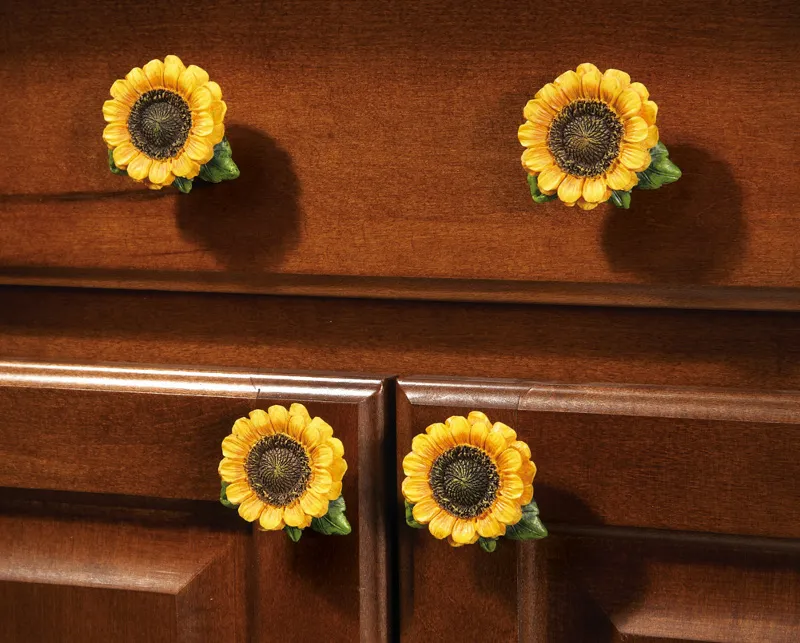
The possibilities for sunflower kitchen decor projects are only limited by your imagination. Consider creating a sunflower-themed utensil holder to add a touch of whimsy to your countertop. Design a sunflower-shaped trivet or coaster to protect your surfaces from heat. Print a series of sunflower-themed wall art pieces to brighten up your kitchen walls. Create a custom bread box with a sunflower design on the front. Design and print unique cabinet knobs or drawer pulls shaped like sunflowers. Print a set of sunflower-shaped cookie cutters for baking enthusiasts. Design a charming sunflower-themed spice rack to organize your herbs and spices. Consider creating a decorative tray for serving coffee or tea. For a more practical project, print a custom-designed dish drainer with sunflower accents. Combine your sunflower designs with other kitchen elements, such as a custom-printed spoon rest or a decorative paper towel holder. The wide range of design possibilities ensures you can create a unique and personalized sunflower-themed kitchen. Let your creativity run wild, and enjoy the process of bringing your visions to life through 3D printing.
Sunflower-Themed Utensil Holders
Sunflower-themed utensil holders offer a delightful and functional way to incorporate sunflower decor into your kitchen. Design a holder that mimics the shape of a sunflower, with petals forming the outer rim and a central compartment to hold utensils. Consider the size and capacity of the holder, ensuring it can accommodate your kitchen utensils. You can also create multiple compartments to separate different types of utensils. Experiment with different designs for the petals, from simple rounded shapes to more intricate and detailed designs. Choose a color scheme that complements your kitchen decor, using bright yellows, greens, and browns to capture the essence of a sunflower. For added functionality, you can incorporate drainage holes at the bottom to prevent water from pooling. The utensil holder can be placed on your countertop or incorporated into a larger kitchen storage system. This project adds a touch of joy and organization to your cooking space while reflecting your love for sunflowers. The combination of practicality and design makes this a perfect project for those who appreciate both form and function in their kitchen décor.
Sunflower-Shaped Trivets and Coasters

Sunflower-shaped trivets and coasters are both practical and decorative, adding a touch of floral charm to your kitchen. Design a trivet that can withstand high temperatures from hot pots and pans, ensuring it protects your countertops and tables. The trivet can be a simple, solid design or include a more open, latticework pattern to allow for airflow. For coasters, consider a smaller, more delicate design that can accommodate various sizes of cups and glasses. Incorporate the shape of a sunflower into the design. Choose heat-resistant filaments, such as ABS or PETG. Ensure the trivets and coasters have a non-slip base to prevent them from sliding. The use of bright yellows, greens, and browns will make the sunflower shapes pop. When designing, ensure your coasters are wide enough to catch drips. You can also experiment with different textures and patterns to enhance the visual appeal. By using a 3D printer, you can create multiple trivets and coasters to match your overall kitchen aesthetic and add a touch of sunshine to your dining and cooking spaces.
Sunflower Kitchen Decor: Maintenance & Care
Proper maintenance and care are essential to ensure your 3D printed sunflower kitchen decor remains vibrant and beautiful over time. Regular cleaning is essential. For most items, simply wiping them down with a damp cloth and mild soap is sufficient. Avoid abrasive cleaners that could scratch the surface. If your decor comes into contact with food, use food-safe cleaning agents. Heat and sunlight can affect the integrity of some filaments. Avoid placing items in direct sunlight or near heat sources, as this could cause warping or discoloration. For items used near the stove, ensure they are made of heat-resistant material. Inspect your decor regularly for any signs of damage, such as cracks or wear. Repair minor damage promptly. If items are painted, repaint them as needed to maintain their appearance. Store your decor properly when not in use, preferably in a cool, dry place away from direct sunlight. Proper maintenance ensures that your sunflower kitchen decor continues to brighten your kitchen and bring you joy for years to come. These simple steps will help to extend the lifespan and preserve the beauty of your 3D printed creations.
Cleaning and Maintaining Your 3D Prints
Keeping your 3D printed sunflower decor clean and well-maintained is key to its longevity. Regular cleaning involves wiping your decor with a soft, damp cloth and mild soap. Avoid using abrasive cleaners, as they can scratch the surface and diminish its appearance. For items that come into contact with food, use food-safe cleaning agents. For any item with intricate designs, you may need to use a small brush or cotton swabs to reach tight corners. Always dry the decor completely after cleaning to prevent the growth of mildew or mold. Inspect your decor regularly for any signs of damage, such as cracks or wear. Address any minor issues promptly. If your decor has been painted, you may need to repaint it over time to maintain its fresh appearance. You may also need to touch up chipped paint. To prevent dust and dirt buildup, consider storing your decor in a cabinet or display case when not in use. Following a regular cleaning routine and addressing any issues as they arise will help preserve the beauty and functionality of your 3D printed sunflower kitchen decor.
Storing Your Sunflower Decorations
Proper storage of your 3D printed sunflower decorations is vital to preserve their condition and prevent damage. When not in use, store your decor in a cool, dry place away from direct sunlight. Excessive heat or sunlight can cause the colors to fade, and in some cases, warp the items. Consider storing your decor in a cabinet, drawer, or display case to protect them from dust and dirt. If you are storing items for a long period, wrap them individually in soft cloth or bubble wrap to prevent scratches or chipping. Avoid storing your decor in a damp environment, as this can lead to mold or mildew growth. If the decorations are seasonal, store them away when they aren’t being used. Ensure items are thoroughly clean and dry before storing. By taking these steps, you can keep your decorations safe, beautiful and ready to brighten your kitchen whenever you choose to use them. Proper storage guarantees that your 3D printed sunflower decor will remain in excellent condition for years.
Troubleshooting Common 3D Printing Issues
Troubleshooting is a critical skill for any 3D printing enthusiast. While printing your own sunflower kitchen decor, you may encounter certain issues. Over-extrusion, where too much filament is deposited, results in a messy print. Adjust the extrusion multiplier or the flow rate in your slicing software. Warping, where the corners of the print lift off the bed, can be addressed by ensuring proper bed adhesion, using a heated bed, and possibly using a brim or raft. Layer shifting, where the layers of the print are misaligned, can be caused by belt slippage or other mechanical issues. Tighten the belts and check for obstructions. Poor bed adhesion can lead to a failed print. Make sure your bed is level, clean, and use an adhesive like glue stick or painter’s tape. Stringing, where thin strands of filament appear between parts of the print, is often caused by incorrect retraction settings. Adjust the retraction distance and speed in your slicing software. If you experience printing problems, consult online resources, forums, and communities for assistance. These resources often provide solutions to common problems and are invaluable. Troubleshooting is part of the learning process, and with practice, you will become more adept at resolving issues and achieving successful prints.
Over-Extrusion and Warping
Over-extrusion and warping are two of the most common issues encountered when 3D printing. Over-extrusion occurs when the printer deposits too much filament, leading to a messy, irregular print. This can result in blobbing, stringing, and poor surface quality. To resolve over-extrusion, adjust the extrusion multiplier or flow rate in your slicing software. Start by slightly reducing the flow rate and observe the results. Another cause may be that your nozzle is too close to the print bed. If the nozzle is too close, the filament will have nowhere to go except to bulge outwards. Warping is another frequent problem, where the corners of the print lift off the bed, leading to a distorted shape. Warping is generally due to the material cooling too quickly and shrinking unevenly. To prevent warping, ensure proper bed adhesion. Use a heated bed and level it correctly. You can also use a brim or raft to increase the surface area in contact with the bed. Enclosing the printer can help retain heat and reduce the temperature gradient. Fine-tuning these settings will help to ensure clean prints.
Layer Shifting and Poor Adhesion
Layer shifting and poor bed adhesion are two further challenges that can hinder your 3D printing success. Layer shifting occurs when the layers of your print are misaligned, resulting in a skewed or distorted final product. This can be caused by several factors, including belt slippage, motor issues, or obstructions in the printer’s movement system. To fix layer shifting, check the belts for proper tension, ensure that the motor is running smoothly, and clear any obstructions. Poor bed adhesion is when the first layer of your print does not stick to the build plate, causing the print to detach. Ensure your bed is level, clean, and use the appropriate adhesive. Increase the initial layer print speed or lower the bed temperature to improve adhesion. If these fixes aren’t working, then check the nozzle distance to the build plate. These problems require systematic troubleshooting, but they are usually addressable. By understanding the causes of these issues and applying the correct solutions, you will be able to print your sunflower kitchen decor with greater confidence.
Conclusion: Embracing Sunflower Decor
Embracing sunflower decor through 3D printing offers a unique opportunity to infuse your kitchen with beauty, personality, and a touch of nature. From the initial design phase to the final touches of painting and finishing, the process is rewarding and allows you to create unique, personalized pieces. The versatility of 3D printing allows you to design and print anything from utensil holders and trivets to wall art and cabinet knobs, all reflecting your individual style. Furthermore, the cost-effectiveness and customization possibilities make it an attractive option for both experienced makers and beginners. By understanding the basics of 3D printing, choosing the right materials, and following the provided guidelines, you can embark on this creative journey with confidence. The ability to personalize your kitchen space, express your creativity, and enjoy the satisfaction of crafting your own decor is a truly fulfilling experience. As you experiment with designs, colors, and techniques, you’ll not only enhance your kitchen but also cultivate a deeper appreciation for the artistry of 3D printing. Embrace the potential, and let your kitchen bloom with the joy of sunflowers.