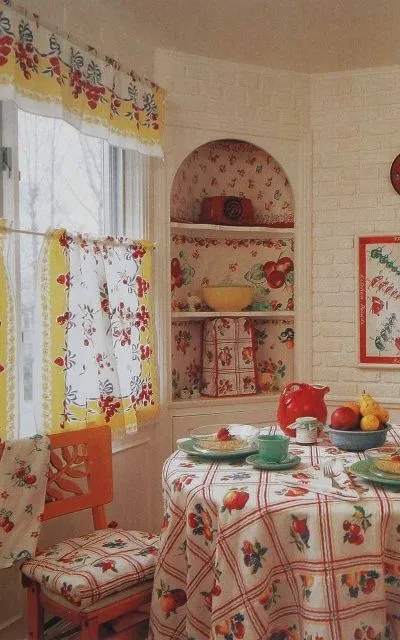
What is Vintage Kitchen Decor
Vintage kitchen decor evokes a sense of nostalgia, charm, and a connection to the past. It’s a design approach that celebrates the aesthetics of earlier eras, such as the 1920s, 1930s, 1940s, and 1950s, by incorporating elements like specific colors, appliances, and furniture styles. Unlike modern or minimalist designs, vintage kitchen decor prioritizes character and personality. It’s about creating a warm and inviting space that feels lived-in and loved. This can be achieved through a combination of original vintage items, reproductions, and carefully chosen new pieces that complement the overall aesthetic. The goal is to create a kitchen that not only functions well but also tells a story, reflecting a bygone era and the unique tastes of the homeowner. Vintage kitchen decor often involves repurposing items, embracing imperfections, and mixing and matching different elements to achieve a curated, timeless look. It’s a style that values quality, craftsmanship, and a sense of history.
Key Elements of Vintage Kitchen Decor
Several key elements define the look and feel of a vintage kitchen. Classic elements include pastel colors, such as mint green, baby blue, and soft yellow, which were popular during the mid-century. Furthermore, consider the use of checkered floors, often in black and white or red and white. Appliances are also key, as retro-style refrigerators, stoves, and toasters, often with rounded edges and chrome accents, are essential for creating an authentic vintage vibe. Furthermore, vintage kitchens frequently feature open shelving to display collectibles, decorative dishware, and other attractive items. Additional notable elements are the use of farmhouse sinks, vintage-inspired light fixtures, such as pendant lights and sconces, and retro-patterned wallpaper or backsplashes. Small details like glass canisters for storage, enamelware cookware, and wooden accents further contribute to the overall vintage aesthetic. Accessories are essential, including aprons, tea towels with vintage patterns, and antique kitchen tools, all add to the curated, lived-in feel.
Color Palettes for Vintage Kitchens

Color plays a crucial role in establishing the vintage aesthetic of your kitchen. The most commonly used colors include pastels, such as mint green, pale yellow, baby blue, and soft pink. These colors evoke a sense of nostalgia and add a light, airy feel to the space. Cream and off-white tones provide a neutral backdrop that complements the brighter pastels and allows other decorative elements to stand out. For a bolder look, consider using deeper, more saturated colors, like cherry red or turquoise, as accent colors. These can be used on appliances, cabinet doors, or as a highlight in your backsplash tile. Moreover, using a combination of these colors can prevent the space from looking too flat. For example, pair a soft blue wall with white cabinets and a checkered black and white floor to create a balanced, visually appealing space. The overall goal is to create a cohesive color scheme that reflects the charm and character of a bygone era.
Choosing the Right Appliances for a Vintage Look
Choosing the right appliances can significantly enhance the vintage aesthetic of your kitchen. Retro-style appliances are specifically designed to mimic the appearance of appliances from the mid-20th century. Key features include rounded edges, chrome accents, and often, a range of vibrant colors. Refrigerators are a prominent element, often with a classic, top-freezer design and a bold color choice. Stoves and ovens should have a vintage look and be fully functional. Stovetops with chrome detailing and oven doors with visible dials are common. Toasters, blenders, and mixers, often in pastel colors or with a chrome finish, are also available to enhance the vintage theme. Beyond aesthetics, consider the appliances’ energy efficiency and functionality. You can choose vintage-inspired appliances that offer modern technology while maintaining the desired vintage appearance. Also, look at smaller items such as a vintage-styled microwave or a classic coffee maker to complete the look.
Vintage Kitchen Decorating Styles
There are several sub-styles of vintage kitchen decor, offering different aesthetic directions. Mid-century modern is a popular choice, characterized by clean lines, minimalist design, and a focus on functionality. Think of light wood cabinets, geometric patterns, and appliances with chrome detailing. Farmhouse vintage combines rustic elements with vintage charm. Features include farmhouse sinks, open shelving, and reclaimed wood accents. Shabby chic combines antique furniture with pastel colors, distressed finishes, and floral patterns. The focus is on creating a soft, romantic atmosphere. Art deco incorporates bold colors, geometric patterns, and luxurious materials. Choose a style that reflects your personal preferences and complements your existing home décor. By mixing and matching elements from different styles, you can create a unique and personalized vintage kitchen that perfectly suits your needs.
How to Incorporate Vintage Decor in Your Kitchen

Integrating vintage decor into your kitchen can be achieved in various ways. Start with small changes, like adding vintage accessories, such as enamelware, vintage canisters, or antique kitchen tools. Moreover, you can gradually introduce larger elements, such as a vintage-style table or a retro-inspired refrigerator. Focus on sourcing authentic vintage pieces from antique shops, flea markets, and online marketplaces. Mix and match different styles and eras to create a unique and curated space. You can also incorporate vintage textiles like patterned curtains or aprons to soften the look. Another option is to use vintage-inspired wallpaper or backsplash tiles to add visual interest. Don’t be afraid to get creative and experiment with different elements to achieve your desired look.
Sourcing Vintage Kitchen Decor
Sourcing vintage kitchen decor requires some research and a bit of patience. Antique shops and flea markets are excellent places to find authentic vintage items. Be sure to visit regularly, as inventory changes frequently. Online marketplaces, such as Etsy and eBay, offer a vast selection of vintage decor, allowing you to search from anywhere. Estate sales and garage sales can provide hidden treasures at affordable prices. When sourcing, be aware of the condition of the items. Check for any damage, such as chips, cracks, or missing pieces, and consider whether you’re prepared to restore them. Also, be sure to check the prices and compare them with other options. Remember that you don’t have to buy everything at once; the process of finding the right pieces can be part of the fun. Build your collection gradually, and focus on pieces that you truly love.
Preserving and Maintaining Vintage Kitchen Decor
Preserving and maintaining vintage kitchen decor is essential to ensure its longevity. For wooden furniture, clean it regularly with a soft cloth and appropriate wood cleaner. Protect surfaces from direct sunlight and extreme temperatures. For metal items, such as enamelware and chrome appliances, clean them gently with a mild detergent and avoid abrasive cleaners that could damage the finish. Glassware and ceramic items should be washed by hand, with care. Store vintage items in a dry place away from moisture and extreme temperatures. Regularly inspect your decor for signs of wear and tear and consider restoring them if needed. When cleaning, always test cleaning products in an inconspicuous area first. By taking proper care of your vintage decor, you can keep it looking beautiful for years to come, adding charm and character to your kitchen.
Creating the Vintage Kitchen Aesthetic

Creating the vintage kitchen aesthetic requires careful planning and attention to detail. Begin by selecting a color palette and establishing a theme, such as mid-century modern or farmhouse. Source your vintage appliances and furniture, and arrange them to create a balanced, functional space. Incorporate decorative elements, such as open shelving, vintage accessories, and textiles, such as curtains and aprons. Pay attention to small details, such as lighting fixtures, knobs, and hardware, to reinforce the vintage theme. When mixing vintage items with modern elements, try to choose pieces that complement the vintage style. For instance, you could pair a vintage table with modern chairs. Remember that the goal is to create a cohesive, inviting space that reflects your personality and love of vintage design. The perfect vintage kitchen decor reflects the history and beauty of a bygone era and creates a warm and inviting atmosphere.
Final Thoughts on Vintage Kitchen Decor
Vintage kitchen decor offers a unique opportunity to create a kitchen that is both stylish and full of character. By incorporating vintage elements, you can transform your kitchen into a space that reflects your personal style and appreciation for history. Remember to consider your color scheme, appliance choices, and the overall aesthetic you want to achieve. Sourcing vintage items and maintaining them properly will allow you to enjoy your vintage kitchen for years to come. Embrace the imperfections, celebrate the charm of vintage design, and create a kitchen that you’ll love coming home to. The key is to be creative, have fun, and let your kitchen tell a story.