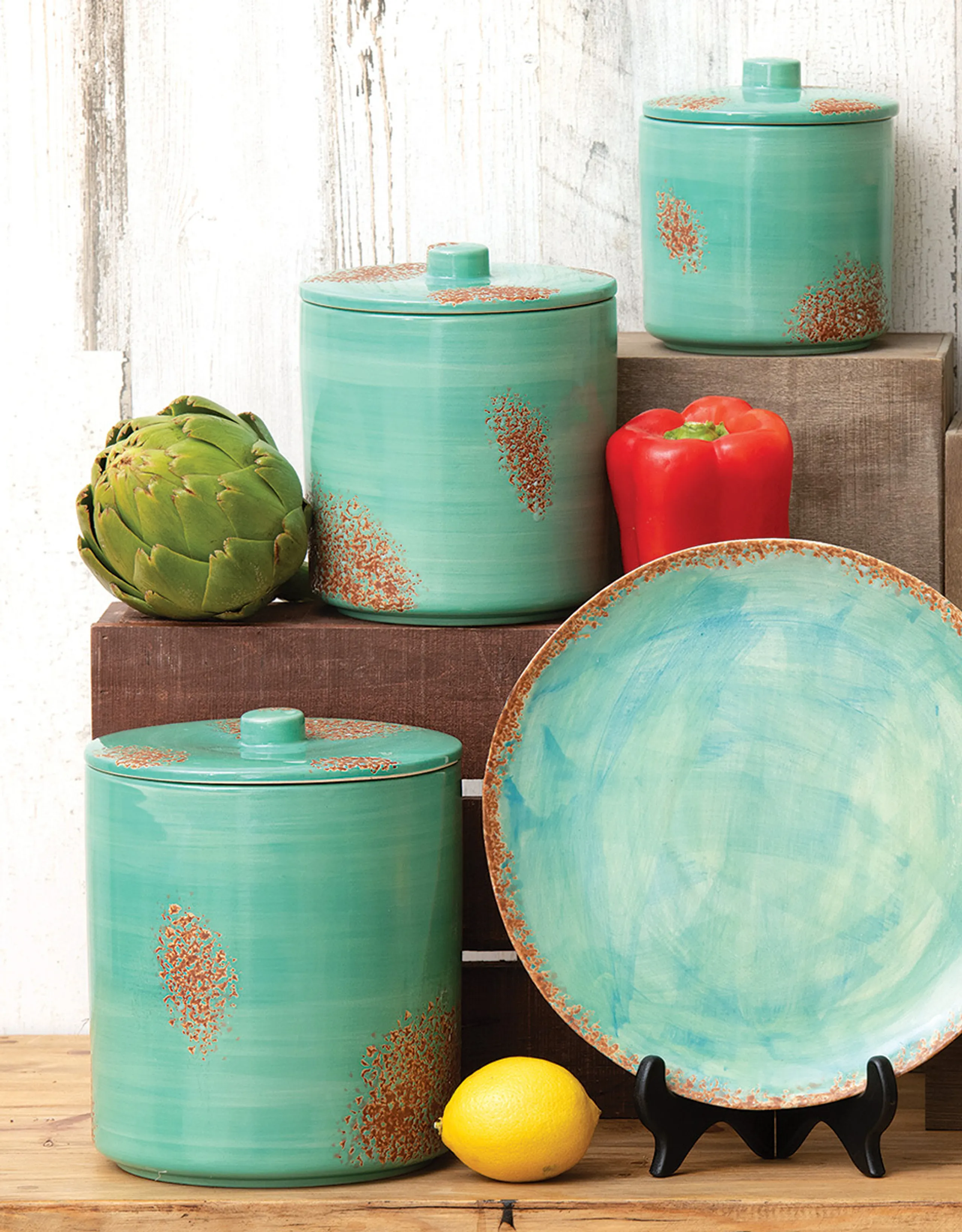
What is Western Kitchen Decor
Western kitchen decor embodies the rugged spirit and natural beauty of the American West. It’s a style that celebrates the outdoors, with a focus on warmth, comfort, and a touch of nostalgia. This decorating style often incorporates elements like rustic wood, leather accents, and a color palette inspired by the desert landscapes and open skies. Western kitchen decor is more than just a trend; it’s a lifestyle choice, evoking feelings of freedom, adventure, and a connection to the land. The beauty of this style lies in its ability to create a welcoming and inviting space, perfect for gathering with family and friends. Whether you’re a long-time enthusiast of Western culture or simply drawn to the aesthetic, this guide will help you transform your kitchen into a stunning Western-inspired haven.
Elements of Western Kitchen Decor
Several key elements define Western kitchen decor. These elements work together to create a cohesive and authentic aesthetic. The use of natural materials, such as wood, stone, and leather, is paramount, providing a foundation of rustic charm. A warm, earthy color palette is another essential, reflecting the hues of the desert, canyons, and sunsets. Accessories, including cowboy-themed items and vintage pieces, add character and personality. Furniture with a Western flair, like sturdy wooden tables and chairs, reinforces the theme. By incorporating these elements thoughtfully, you can create a kitchen that truly captures the spirit of the West. Attention to detail is crucial, ensuring that each element harmonizes to create a visually appealing and functional space. Consider the balance between functionality and aesthetics to design a practical yet stylish kitchen.
Rustic Elements in the Kitchen

Rustic elements are the cornerstone of Western kitchen decor. Think exposed wooden beams, reclaimed wood cabinets, and butcher block countertops. The goal is to create a sense of history and authenticity. Consider incorporating materials like distressed wood for your kitchen island or dining table. Stone backsplashes or flooring can add a rugged, natural feel. Metal accents, such as wrought iron hardware on cabinets or pendant lights, complement the wood and stone. The imperfections in these materials, like knots in the wood or variations in the stone, are what give Western decor its unique character. These details create a sense of warmth and character. Focus on materials that feel sturdy and built to last, reflecting the values of the Western lifestyle.
Use of Natural Materials
Embracing natural materials is fundamental to achieving an authentic Western look. Wood is a primary element, used in cabinets, flooring, and furniture. Choose woods with rich textures and warm tones, such as oak, pine, or mesquite. Stone can be incorporated through countertops, backsplashes, or flooring. Leather adds texture and comfort, appearing in bar stools, chairs, and accent pieces. Woven materials, like jute rugs or linen curtains, can soften the space and add visual interest. Avoid synthetic materials that detract from the organic feel. The goal is to bring the outdoors in, creating a space that feels grounded and connected to nature. By prioritizing natural materials, you create a kitchen that’s both beautiful and environmentally conscious.
Color Palette for Western Kitchens
Earthy Tones and Warm Colors

The color palette for a Western kitchen is rooted in the natural landscape. Think warm, earthy tones like terracotta, browns, tans, and creams. These colors create a sense of warmth and coziness. Accent colors can be added, such as deep reds, oranges, and greens, inspired by the desert sunsets and foliage. Avoid bright, artificial colors that clash with the rustic aesthetic. Consider painting your cabinets in a warm neutral, and adding pops of color through accessories or textiles. Use paint colors that create a sense of depth and dimension within the space. The goal is to evoke the feeling of being surrounded by nature. Select colors that reflect the vastness and beauty of the American West. Remember, a cohesive color palette is key to achieving a harmonious design.
Incorporating Western Accessories
Accessories are essential for injecting personality and authenticity into your Western kitchen. Look for items that reflect the cowboy lifestyle, such as vintage signs, spurs, or branding irons. Displaying these items on shelves or walls creates a unique focal point. Consider incorporating rustic pottery, cast iron cookware, and woven baskets for a touch of Western flair. Use textiles with Western-inspired patterns, like cowhide rugs, plaid curtains, or embroidered cushions. Don’t be afraid to mix and match different textures and patterns to create visual interest. Remember, accessories are a reflection of personal style, so choose items that resonate with your taste. These items can easily transform your kitchen into a true Western haven, creating a space that’s both functional and visually appealing.
Cowboy Boots and Hats as Decor
Cowboy boots and hats can be incorporated as unique decorative elements. A pair of weathered cowboy boots can serve as a charming display, placed on a shelf or near the entryway. Displaying a cowboy hat on a coat rack or above the kitchen cabinets adds a touch of Western charm. You can also repurpose boots as vases for flowers or use hat racks as decorative accents. Choose boots and hats that reflect your personal style, whether vintage, new, or handmade. These accessories will create an immediate connection to the Western theme. Place them strategically to create visual interest and enhance the overall aesthetic of your kitchen. These elements are iconic symbols of the West, instantly connecting to the lifestyle and history of the region.
Western Kitchen Furniture

Choosing the Right Kitchen Table
The kitchen table is a central gathering space in a Western kitchen. Choose a sturdy wooden table, preferably made from reclaimed or distressed wood, to enhance the rustic feel. A farmhouse-style table with a pedestal base or trestle legs is a classic choice. Consider the size of the table in relation to your kitchen space. A large, rectangular table is ideal for families, while a smaller round table is suitable for intimate gatherings. Look for tables with a natural finish or a distressed look to match the overall aesthetic. Make sure the table is functional and durable, capable of withstanding daily use. Consider adding a table runner or placemats with a Western theme to complement the design.
Selecting Western-style Chairs
Complement your kitchen table with Western-style chairs that enhance the overall design. Choose chairs made of wood or leather, with a focus on comfort and durability. Consider options like wooden chairs with a distressed finish, or leather chairs with nailhead trim. Upholstered chairs with a Western-inspired fabric, such as a cowhide or plaid, can add a touch of sophistication. Bar stools with a rustic design are a perfect addition to a kitchen island or counter. Mix and match different styles of chairs to add visual interest to your kitchen. Ensure that the chairs are comfortable and functional, providing a welcoming seating area for family and friends. The right seating can transform your kitchen, creating a space that’s both stylish and inviting. Pay attention to detail, selecting chairs that embody the rugged charm of the West.
Lighting in Western Kitchens

Choosing Rustic Lighting Fixtures
Lighting plays a crucial role in setting the ambiance of your Western kitchen. Opt for rustic lighting fixtures that complement the overall aesthetic. Consider pendant lights made of metal, wood, or glass, with a distressed finish. Chandeliers with a wrought iron or antler design can add a touch of elegance and Western charm. Sconces with a rustic design can be used to illuminate specific areas, such as the sink or stove. Choose warm, inviting light bulbs to create a cozy atmosphere. Avoid harsh, modern lighting fixtures that clash with the rustic style. The right lighting can create a warm and inviting atmosphere in your kitchen, complementing the overall decor. Consider the function of each light, and select fixtures that enhance both the aesthetics and practicality of your space.
The Role of Lighting in Ambiance
Lighting affects the mood of your kitchen. Layer your lighting to create a warm and inviting ambiance. Use a combination of ambient, task, and accent lighting. Ambient lighting provides overall illumination, while task lighting is used for specific tasks, such as cooking or reading. Accent lighting highlights decorative elements, such as artwork or accessories. Consider using dimmer switches to adjust the lighting levels, creating different moods depending on the time of day or occasion. The color temperature of the light bulbs affects the ambiance of the kitchen. Warm white light creates a cozy atmosphere, while cool white light is more suitable for task lighting. Carefully consider the placement of each light fixture, creating a visually balanced and functional space.
Western Kitchen Decorating Ideas

Creating a Western Kitchen Theme
Creating a cohesive Western kitchen theme requires careful planning and attention to detail. Start by choosing a focal point, such as a statement piece of furniture or a unique decorative element. Build the theme around this focal point, selecting complementary colors, materials, and accessories. Consider incorporating elements that reflect the regional variations of the West, such as Southwestern, ranch, or farmhouse styles. Don’t be afraid to mix and match different styles to create a unique and personalized design. Keep the overall look balanced, avoiding excessive clutter or overwhelming patterns. The goal is to create a space that feels authentic and inviting. Remember to focus on the details, using accessories, textiles, and artwork to enhance the theme. The result should be a kitchen that reflects your individual taste and creates a welcoming atmosphere.
Mixing Modern and Western Styles
Mixing modern and Western styles can create a unique and stylish kitchen. Start by incorporating modern elements, like sleek appliances or minimalist hardware, to balance the rustic features. Choose a neutral color palette for the modern elements, allowing the Western accents to stand out. Incorporate natural materials, like wood and stone, to connect the design to the Western style. Use accessories with a modern design, like geometric patterned rugs or abstract artwork, to add visual interest. Balance the two styles by carefully considering the proportions and placement of each element. The key is to create a harmonious blend, where both styles complement each other. The goal is to avoid a cluttered or overwhelming design. This approach can create a kitchen that is both stylish and functional, reflecting a blend of contemporary and traditional aesthetics.
Where to Buy Western Kitchen Decor

Finding the right Western kitchen decor requires some research. Online retailers specializing in rustic and Western decor offer a wide selection of furniture, accessories, and lighting. Local antique shops and flea markets can be a great source for unique vintage items that add character to your kitchen. Home decor stores often have a section dedicated to Western-style decor, providing a convenient shopping experience. Consider visiting specialty boutiques or artisan shops that offer handmade or custom-made items. Before purchasing, compare prices and read reviews to ensure you’re getting the best value. Look for items that reflect your personal style, ensuring that the decor will truly enhance your kitchen. Remember to take your time and enjoy the process of creating your Western kitchen. By exploring different stores and sources, you will find everything you need to bring your vision to life.