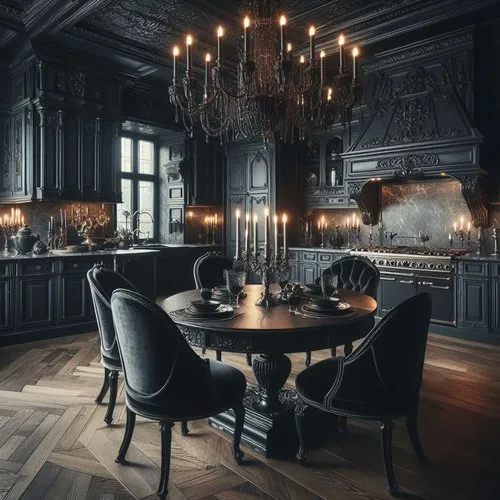
Embracing Yellow in Gothic Kitchen Design
The fusion of Gothic elements with the vibrancy of yellow creates a kitchen space that is both dramatic and inviting. This design approach marries the historic elegance of Gothic architecture with the cheerful energy of yellow, resulting in a unique and visually appealing environment. Gothic kitchens are typically characterized by dark, rich colors, ornate details, and a sense of mystery. Introducing yellow can provide a striking contrast, brightening the space while still maintaining the Gothic aesthetic. This guide provides five simple steps on how to achieve a stunning yellow Gothic kitchen decor.
Choosing the Right Shade of Yellow
Selecting the perfect shade of yellow is crucial in ensuring the desired atmosphere. The goal is to complement the Gothic elements, not to overpower them. Avoid excessively bright or neon yellows, which can clash with the darker tones often found in Gothic design. Instead, opt for muted or slightly desaturated yellows that offer warmth without being overwhelming. Consider shades like mustard yellow, antique yellow, or even a softer, pale yellow. These tones work well with the dark woods and rich textures characteristic of Gothic style.
Consider the Undertones

Undertones significantly affect how the yellow appears in a space. Yellows with warm undertones, such as those leaning towards orange, can create a cozy and inviting feel. Yellows with cool undertones, such as those with a hint of green, can offer a slightly more sophisticated and subdued look. Before committing to a full paint job, test several samples in your kitchen under different lighting conditions. Observe how the yellow interacts with natural and artificial light throughout the day to ensure it complements your existing Gothic elements and desired ambiance.
Best Yellow Paint Finishes for Gothic Kitchens
The paint finish can significantly impact the overall look and feel of your kitchen. For a Gothic kitchen, consider using matte or eggshell finishes for walls. These finishes provide a subtle, non-reflective surface that complements the darker, more dramatic elements of the style. Avoid high-gloss paints, which can create too much shine and detract from the Gothic aesthetic. Matte finishes absorb light, creating a more intimate and mysterious atmosphere. Eggshell finishes offer a slight sheen, making them a practical choice for areas that may be subject to moisture or spills, such as the kitchen.
Incorporating Yellow Accents
Incorporating yellow through accents is a great way to introduce the color without overwhelming the space. This approach allows you to test different shades and placements before committing to a more permanent change. Start with smaller items, such as textiles, decorative items, and accessories. These elements add pops of color while maintaining the integrity of the Gothic design.
Textiles and Fabrics

Textiles are an excellent way to introduce yellow. Consider yellow curtains, kitchen towels, or even chair cushions. Choose fabrics with patterns that complement the Gothic style, such as damasks, brocades, or velvet. These fabrics add texture and depth, enhancing the overall visual interest of the kitchen. The yellow in these textiles should complement the other colors in the kitchen, such as dark wood tones and deeper accent colors like burgundy or deep green.
Decorative Items and Accessories
Accessories can provide a bolder touch of yellow. Consider incorporating yellow through decorative items such as vases, artwork, or serving dishes. Antique or vintage items can enhance the Gothic atmosphere while adding personality. Metallic accents, like gold or bronze, can be paired with yellow to create a luxurious and sophisticated look. Ensure that the accessories are well-placed and don’t clutter the space, maintaining a balance between Gothic elegance and yellow vibrancy.
Yellow in Gothic Kitchen Lighting
Lighting plays a critical role in setting the mood of a Gothic kitchen. The right lighting can highlight the yellow accents and create a warm, inviting ambiance. Consider the types of light fixtures, their placement, and the color temperature of the bulbs to achieve the desired effect. Choose lighting fixtures that fit the Gothic style while effectively illuminating the kitchen space.
Types of Lighting Fixtures

Select lighting fixtures that complement the Gothic aesthetic. Chandeliers with ornate details, wrought iron fixtures, and lanterns are excellent choices. These fixtures should be chosen to enhance the yellow elements without overpowering them. The style of the light fixtures should echo the overall Gothic theme, adding to the kitchen’s unique character. Consider pendant lights over the kitchen island or dining area, and sconces to illuminate specific areas.
Placement and Positioning
The placement of lighting fixtures is crucial. Strategically place lights to highlight yellow accents and create visual interest. Consider installing dimmer switches to adjust the lighting level depending on the time of day or the mood desired. Layer the lighting with a combination of ambient, task, and accent lighting to provide both functionality and ambiance. Uplighting can be used to highlight architectural details, while task lighting ensures adequate illumination for cooking and food preparation.
Balancing Yellow with Gothic Elements
Successfully blending yellow with Gothic elements involves careful consideration of the existing design elements. Gothic kitchens often feature dark wood, intricate carvings, and rich textures. Yellow can be used to brighten these features, but it must be done thoughtfully to preserve the Gothic atmosphere.
Contrast and Complementary Colors

Use contrasting colors to create visual interest. Pair yellow with deep, saturated colors like black, burgundy, or dark green. These colors complement each other and enhance the Gothic atmosphere. The use of contrasting colors can also create focal points and draw the eye to specific areas of the kitchen. Ensure that the color palette balances the warmth of the yellow with the depth and darkness typical of Gothic design.
Materials and Textures
Incorporate various materials and textures to add depth and interest. The use of dark wood, stone, and metal can enhance the Gothic aesthetic. Combine these with the warmth of yellow to create a balanced and visually appealing space. The textures of the materials, such as rough stone or carved wood, provide a contrast that highlights the smoothness of the yellow surfaces.
Maintaining the Gothic Atmosphere
Maintaining the Gothic atmosphere is crucial when introducing yellow into your kitchen design. This involves careful selection of furniture, accessories, and decorative items that align with the Gothic aesthetic. Every element should enhance the overall theme without clashing or diluting the style.
Furniture Selection

Choose furniture that reflects the Gothic style. Dark wood cabinets, ornate tables, and chairs with high backs are good choices. The furniture should have characteristics common to Gothic architecture, such as pointed arches, intricate carvings, and a sense of grandeur. Balance the dark tones with yellow accents, such as cushions or table runners, to prevent the space from appearing too heavy.
Dark Wood Finishes
Dark wood is a cornerstone of Gothic design. It provides a rich backdrop that complements yellow accents beautifully. Consider cabinets and furniture with dark finishes like mahogany, walnut, or ebony. These dark tones create a sense of depth and drama that is characteristic of the Gothic style. The darkness of the wood also makes the yellow accents stand out, creating a stunning visual contrast.
Ornate Details
Ornate details are key in creating a Gothic look. Look for furniture with carved details, such as arches, fleur-de-lis, or other Gothic-inspired motifs. These details enhance the authenticity of the design and add a touch of elegance. Even small details, such as decorative hardware or patterned cabinet doors, can elevate the look and maintain the Gothic atmosphere.
Accessorizing and Decorating

Accessorizing and decorating is essential in bringing the yellow Gothic kitchen design together. Choose accessories that complement the style and enhance the visual appeal of the space. Select items that reflect the Gothic aesthetic while incorporating yellow accents.
Candle Holders and Lanterns
Candle holders and lanterns are quintessential Gothic accessories. These items add ambiance and a touch of mystery. Choose candle holders made of wrought iron, or other dark metal, or those with intricate designs. Incorporate yellow candles or lanterns with yellow accents to tie the look together.
Antique Finds
Antique finds can add character and authenticity to a Gothic kitchen. Look for vintage items such as antique serving dishes, silverware, and decorative items. These pieces should be selected with a focus on how they enhance the overall Gothic theme. Consider yellow-tinged antiques or items that can be paired with yellow to complement the design. Incorporating these elements will not only enhance the kitchen’s aesthetic but also provide an element of history and uniqueness.
Conclusion
Incorporating yellow into a Gothic kitchen can create a unique and visually stunning space. By choosing the right shade of yellow, incorporating accents, and balancing the color with Gothic elements, you can achieve a kitchen that is both dramatic and inviting. Remember to consider the lighting, furniture, and accessories to maintain the Gothic atmosphere. With these simple steps, you can transform your kitchen into a space that reflects your unique style and love of Gothic design.